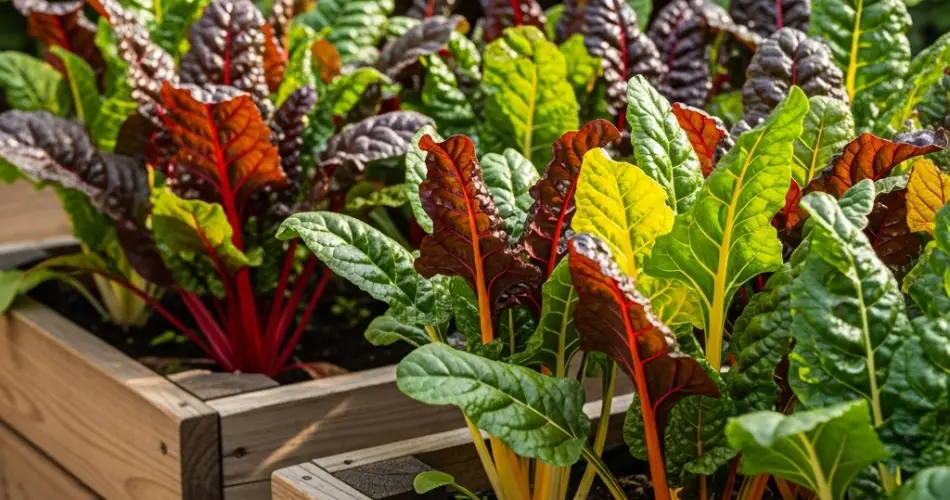
Swiss chard is a versatile, nutrient-packed leafy green that adds color and flavor to a variety of dishes, from salads to sautés. For home gardeners with limited space, growing Swiss chard in wooden containers is a practical and attractive solution. This method provides excellent control over soil quality, drainage, and sunlight, allowing for healthy growth and a consistent supply of fresh leaves.
Choosing the Right Wooden Container
Selecting a suitable wooden container is the first step to successful Swiss chard cultivation. Swiss chard has moderately deep roots, so a container at least 10–12 inches deep is ideal. Untreated wood, such as cedar, redwood, or pine, resists rot naturally and avoids chemical leaching into the soil. Ensure your container has sufficient drainage holes at the bottom to prevent waterlogging, which can lead to root rot and fungal problems.
Preparing the Soil
Swiss chard thrives in fertile, well-draining soil. Use a high-quality potting mix enriched with compost or organic fertilizer. Incorporating a small amount of sand or perlite improves drainage while maintaining adequate moisture for root development. Fill the wooden container with soil, leaving a few inches from the top to prevent spillage during watering. Fertile, well-draining soil encourages strong stems, vibrant leaves, and high yields.
Selecting Swiss Chard Seeds or Seedlings
Swiss chard can be grown from seeds or seedlings. Seeds are economical and allow for succession planting, while seedlings provide a quicker start. For seeds, scatter them evenly across the soil surface and cover lightly with a thin layer of soil. Keep the soil consistently moist until germination occurs. For seedlings, transplant them carefully into the container, ensuring the roots are fully covered and the plant is stable. Space plants 6–12 inches apart, depending on the variety, to allow room for healthy growth.
Sunlight Requirements
Swiss chard grows best in full sun but tolerates partial shade. Place your wooden container in a location that receives at least four to six hours of sunlight daily. In hotter climates, partial afternoon shade can prevent leaf wilting and reduce bitterness. Adequate light ensures strong stems, vibrant leaf color, and tender, flavorful greens.
Watering and Moisture Management
Consistent moisture is crucial for container-grown Swiss chard. Water regularly to keep the soil evenly moist without overwatering. Wooden containers dry out more quickly than garden beds, so monitor soil moisture daily, especially during warm or dry periods. Mulching with straw, shredded leaves, or other organic material helps retain moisture, regulate soil temperature, and suppress weeds.
Fertilizing and Nutrient Care
Swiss chard benefits from regular feeding to maintain vigorous growth. Apply a balanced, water-soluble fertilizer every two to three weeks or incorporate slow-release organic fertilizer into the soil at planting. Nutrient-rich soil supports robust stems, vibrant leaves, and continuous harvesting. Additional supplements like compost tea or diluted fish emulsion can enhance growth and leaf quality.
Pest and Disease Management
Monitor Swiss chard plants for common pests such as aphids, leaf miners, and slugs. Inspect leaves regularly and remove pests manually or treat with mild insecticidal soap when necessary. Prevent fungal diseases by spacing plants adequately, watering at the soil level instead of overhead, and removing yellow or damaged leaves. Healthy plants are more resilient and produce higher-quality greens.
Harvesting Swiss Chard
Swiss chard can be harvested using the “cut-and-come-again” method. Snip the outer leaves near the base while leaving inner leaves to continue growing. This technique provides a continuous supply of fresh leaves over several weeks. Harvest young leaves for tender salads or allow leaves to mature slightly for cooking in sautés, soups, or stews.
Benefits of Wooden Container Gardening
Growing Swiss chard in wooden containers provides several advantages. Containers are portable, allowing gardeners to move plants to optimize sunlight or protect them from extreme weather. Raised containers improve drainage, prevent soil compaction, and minimize exposure to soil-borne diseases. Additionally, wooden containers add a rustic, aesthetic touch to patios, balconies, or small garden spaces while offering practical functionality.
Conclusion
Cultivating Swiss chard in wooden containers is an efficient and rewarding method for home gardeners. With the right soil, consistent watering, adequate sunlight, and proper care, your Swiss chard plants will thrive, providing a continuous supply of nutritious, flavorful leaves. Wooden container gardening combines practicality with visual appeal, making it ideal for small spaces or urban gardens. By following these steps, you can enjoy homegrown Swiss chard year-round while enhancing the beauty and productivity of your living environment.


