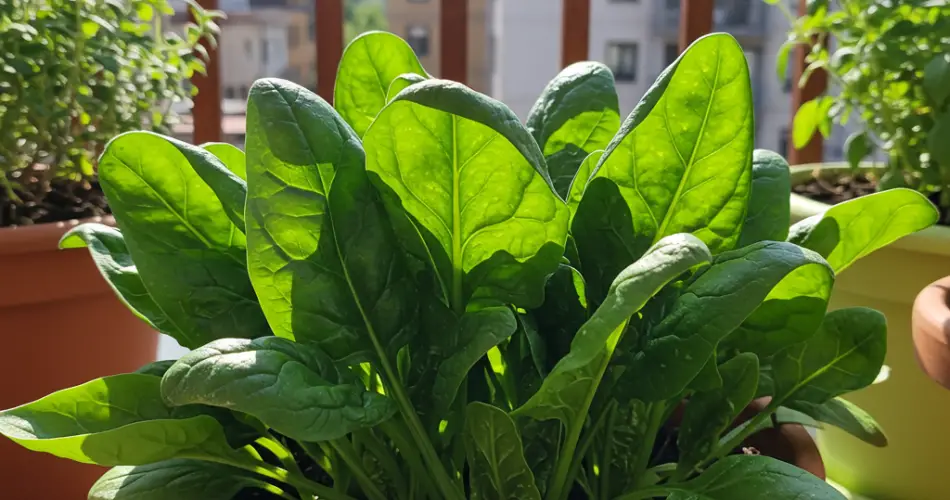
Spinach is one of the healthiest leafy greens you can grow at home—and one of the easiest. You don’t need a large garden to enjoy fresh, crisp spinach; even a small balcony can be transformed into a productive green haven. With minimal space, a few containers, and a bit of sunlight, you can harvest your own vitamin-rich leaves and enjoy salads, smoothies, and cooked dishes with homegrown flavor.
Here’s how to grow spinach on your balcony—even if you’re a beginner—and impress your neighbors with a lush, green harvest.
Why Spinach Is Perfect for Balcony Gardening
Spinach thrives in cool weather and doesn’t require deep soil or fancy setups. It’s a fast-growing plant, meaning you’ll see results within a few weeks of planting. Because of its shallow root system, spinach does well in containers, making it ideal for balconies or other small spaces. Plus, it grows back after cutting, allowing for multiple harvests from the same plant.
Step 1: Choose the Right Spinach Variety
Not all spinach types are the same. Some do better in containers and small spaces. Look for varieties that are labeled as fast-growing or suitable for pots.
Recommended types include:
-
‘Bloomsdale Long Standing’ – A popular variety with crinkled leaves.
-
‘Baby’s Leaf’ – Great for small containers and quick harvests.
-
‘Space’ – A smooth-leaf variety that’s heat-tolerant and ideal for urban gardening.
These varieties are easy to manage and perfect for beginner growers.
Step 2: Pick the Right Containers
Spinach doesn’t need deep soil, but it does appreciate some room to spread. Choose wide containers at least 6–8 inches deep with good drainage holes at the bottom. Plastic, ceramic, or fabric grow bags all work well. You can also repurpose old tubs or crates—just make sure they drain well to prevent soggy roots.
Place the containers in a spot that gets 4–6 hours of sunlight per day. Morning sun and afternoon shade is perfect, especially in warmer months.
Step 3: Use Nutrient-Rich Soil
Spinach loves rich, well-draining soil. Use a quality potting mix combined with compost or well-rotted manure. A good mix might include:
-
60% potting soil
-
30% compost
-
10% perlite or sand for drainage
This blend provides the nutrients and aeration spinach needs to thrive.
Before planting, moisten the soil slightly to create an inviting environment for seeds.
Step 4: Planting Your Spinach
You can grow spinach from seed or from young transplants. Direct seeding is the most common and cost-effective method.
To plant seeds:
-
Sow them ½ inch deep and 2 inches apart.
-
Cover lightly with soil and water gently.
-
Thin the seedlings once they’re a few inches tall, leaving 4–5 inches between plants.
Spinach prefers cooler weather, so the best time to plant is early spring or fall. In hot climates, provide afternoon shade or grow it in cooler months.
Step 5: Care and Maintenance
Spinach is a low-maintenance crop, but consistent care improves growth and flavor.
-
Watering: Keep the soil evenly moist. Don’t let it dry out completely, but avoid overwatering. Water early in the morning to prevent fungal issues.
-
Feeding: Apply a mild liquid fertilizer every 2–3 weeks to promote leaf growth. Compost tea or a diluted fish emulsion works well for organic gardeners.
-
Mulching: A thin layer of mulch helps retain moisture and keeps the roots cool, especially during warmer days.
Step 6: Dealing with Pests
Spinach can attract leaf miners, aphids, or slugs. Keep your plants healthy and clean, and use these preventive measures:
-
Inspect leaves regularly.
-
Spray with neem oil or a homemade garlic spray to deter pests.
-
Remove damaged or infested leaves promptly.
Balcony gardens usually have fewer pest problems than ground-level gardens, but it’s still good to stay vigilant.
Step 7: Harvesting Spinach
Spinach grows quickly—within 30 to 40 days, you’ll have a harvest ready. You can begin picking outer leaves when they’re about 4–5 inches long.
-
Use scissors to cut individual leaves or harvest the whole plant if needed.
-
Don’t pull up the roots unless you’re replacing the plant.
-
For continuous harvests, trim the outer leaves and leave the inner ones to grow.
The more you harvest, the more the plant produces—as long as you don’t damage the central growing point.
Final Tips for Balcony Success
-
Rotate your containers every few days for even sun exposure.
-
If it gets too hot, move the pots to a shadier spot or provide a light cover.
-
Grow spinach alongside herbs like mint or parsley, which can repel pests and enhance your balcony’s appearance.
Conclusion
Growing spinach on your balcony is a rewarding and surprisingly simple project. It’s fast-growing, space-efficient, and perfect for anyone new to gardening. With a little care and attention, you’ll be able to harvest delicious, healthy greens right outside your door—making your balcony not only productive but also the envy of the neighborhood.
Turn even the smallest space into a leafy green paradise, and enjoy the satisfaction of growing your own food, one pot at a time.


