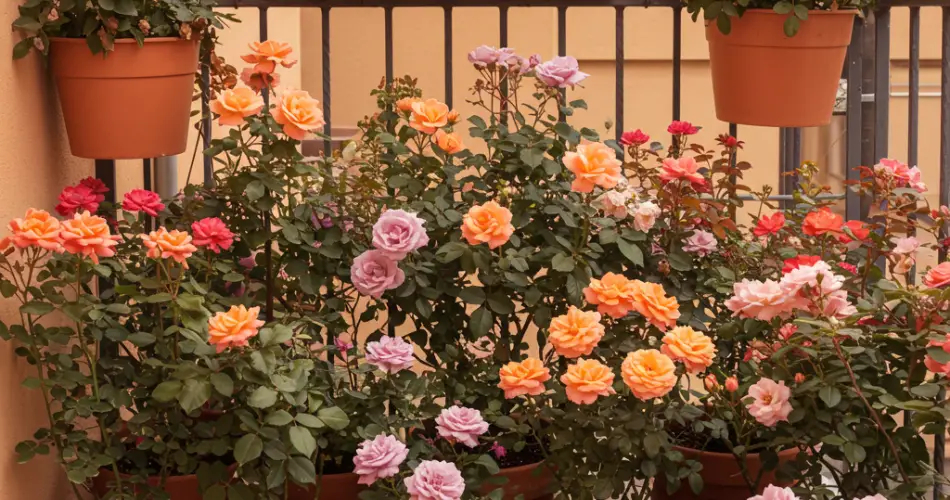
Roses are widely admired for their elegance, fragrance, and timeless beauty. While they’re often associated with sprawling gardens and grand landscapes, the truth is you don’t need a large yard to enjoy growing roses. Even a small balcony, windowsill, or indoor corner can become a rose-growing haven with the right approach.
Whether you’re an experienced gardener or a beginner with limited space, here’s how you can successfully grow stunning roses in compact areas of your home.
Choosing the Right Rose Variety for Small Spaces
The first step to success is selecting a rose variety that thrives in containers or small environments. Not all roses are equal when it comes to size and growth habit, so opt for types that are naturally compact or bred for container growth.
Some excellent options include:
-
Miniature Roses – These roses are perfect for indoor pots or windowsills, reaching heights of just 6 to 18 inches.
-
Patio Roses – Slightly larger than miniature varieties, patio roses are ideal for balconies or small terraces.
-
Climbing Roses (on a trellis) – If you have a vertical space, climbing roses trained on a compact frame can flourish in a small footprint.
-
Groundcover Roses – Low-growing and spreading, these work well in wide containers or raised beds.
Look for disease-resistant varieties to reduce maintenance and increase your chances of success, especially in indoor or semi-indoor environments.
Selecting the Right Container
Container choice is critical for rose health. Choose a sturdy pot at least 12 to 18 inches deep and wide enough to accommodate root development. Terracotta, ceramic, or plastic containers with drainage holes work well.
Ensure your pot is placed in a spot with excellent airflow and access to at least 6 hours of sunlight per day. A south- or west-facing window, balcony, or sunny indoor corner is ideal.
Preparing the Soil Mix
Roses need rich, well-draining soil to thrive. Use a high-quality potting mix that contains compost or organic matter. A good mix might include:
-
50% potting soil
-
30% compost
-
20% perlite or coarse sand (to improve drainage)
Avoid using regular garden soil in containers—it compacts too easily and may harbor pests or diseases.
Planting Your Rose
When transplanting a rose into your container:
-
Fill the pot halfway with the prepared soil mix.
-
Gently remove the rose from its nursery pot, loosen the roots slightly, and position it in the center.
-
Fill in around the roots with more soil, leaving about 2 inches of space at the top for watering.
-
Press the soil gently to eliminate air pockets and water thoroughly until it drains from the bottom.
If you’re planting bare-root roses, soak the roots in water for 2–3 hours before planting.
Watering and Feeding
Roses in containers dry out faster than those planted in the ground. Keep the soil consistently moist but not soggy, watering when the top inch of soil feels dry.
During the growing season (spring through early autumn), feed your rose every 2–3 weeks with a balanced liquid fertilizer or a fertilizer specifically formulated for roses. Stop feeding in late autumn to allow the plant to enter dormancy.
Pruning and Maintenance
Regular pruning keeps your rose healthy, encourages new growth, and prevents overcrowding—especially important in small spaces.
-
Deadhead spent blooms to promote continuous flowering.
-
Trim back leggy or diseased stems as needed.
-
In early spring, give your rose a hard prune to shape the plant and encourage strong growth.
Inspect your rose regularly for signs of aphids, spider mites, or fungal issues like black spot or powdery mildew. Neem oil or mild insecticidal soap can help manage pests organically.
Winter Care
If you live in a region with cold winters and your rose is outdoors in a container, protect it from frost. Move the pot into a sheltered area or wrap it in insulating material like burlap or bubble wrap. Indoors, keep the rose in a cool, bright spot and reduce watering to prevent root rot during dormancy.
Making the Most of Your Space
You don’t need a garden to enjoy roses. Try these ideas:
-
Place a mini rose on a sunny windowsill for a pop of color.
-
Use a vertical planter or ladder shelf to grow multiple pots in a small area.
-
Hang wall-mounted planters for climbing roses in narrow balconies.
-
Combine roses with herbs or trailing plants in a container to create a multi-functional floral display.
Conclusion
Growing roses in small spaces may seem challenging, but with the right variety, container, and care, it’s entirely achievable—even in the corner of an apartment or a tiny balcony. Roses reward you with their beauty and scent, transforming compact spaces into charming floral retreats.
With just a little effort, your small corner can become a source of joy and pride—and a stunning display that rivals even the grandest gardens.


