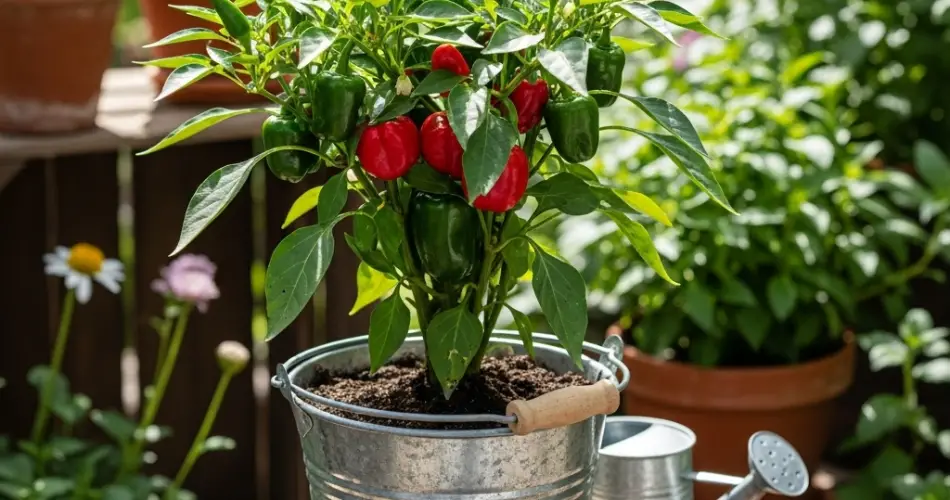
Chili peppers are among the most exciting plants you can grow at home. Their fiery flavor adds zest to countless dishes, and their vibrant fruits bring a splash of color to any balcony or patio garden. The good news is you don’t need a large garden bed to cultivate them. With just a few buckets, you can grow healthy, productive chili pepper plants right outside your door.
This guide will walk you through the process of growing spicy chili peppers in buckets, from choosing the right container to harvesting your own hot peppers.
Why Grow Chili Peppers in Buckets?
Container gardening is a practical solution for urban dwellers or anyone with limited space. Buckets, in particular, are affordable, easy to move, and widely available. Here are some benefits of growing chili peppers in buckets:
-
Space-saving: Perfect for balconies, patios, or small yards.
-
Soil control: You can create the perfect growing medium tailored to peppers.
-
Mobility: Buckets can be moved to maximize sunlight or protect plants from storms.
-
Pest management: Easier to monitor and control pests compared to garden beds.
Choosing the Right Bucket
For chili peppers, choose a 5-gallon bucket or larger that is at least 12 inches deep. This depth allows the roots to grow properly and supports a strong plant. Make sure your bucket has multiple drainage holes at the bottom to prevent waterlogging, which can cause root rot.
If you’re placing the bucket indoors or on a balcony, use a saucer underneath to catch excess water.
Selecting Chili Pepper Varieties
Chili peppers come in many shapes, sizes, and spice levels. Some popular varieties for bucket gardening include:
-
Cayenne – Long, thin, and moderately hot peppers.
-
Thai Chili – Small, fiery peppers with a strong punch.
-
Habanero – Extremely hot with fruity undertones.
-
Jalapeño – Mild to medium heat, great for everyday cooking.
-
Bird’s Eye Chili – Compact and ideal for small containers.
Choose a variety based on your spice tolerance and culinary needs.
Preparing the Soil
Chili peppers thrive in well-draining, nutrient-rich soil. A good mix for buckets includes:
-
50% high-quality potting soil
-
30% compost or well-rotted manure
-
20% perlite or coarse sand for aeration
This combination ensures proper drainage while retaining enough moisture and nutrients. Mixing in a handful of slow-release fertilizer before planting provides a strong foundation for growth.
Planting Chili Peppers in Buckets
-
Fill the bucket with your soil mix, leaving about two inches at the top.
-
Sow seeds about ¼ inch deep. Plant two or three seeds per bucket, then thin them later to the healthiest seedling.
-
Transplant seedlings if starting indoors or purchasing from a nursery. Place one strong plant per bucket to give it enough room.
-
Water lightly to settle the soil and encourage root establishment.
Chili peppers prefer warm conditions, so wait until the temperature is consistently above 65°F (18°C) before planting outdoors.
Caring for Chili Peppers in Buckets
Sunlight
Chili peppers need at least 6–8 hours of direct sunlight daily. Buckets can be shifted to sunnier spots if needed, making container gardening highly flexible.
Watering
Keep the soil moist but never soggy. Overwatering can damage roots, while underwatering can cause flowers to drop. A good rule is to water when the top inch of soil feels dry.
Fertilizing
Chili peppers are moderate feeders. Use a balanced liquid fertilizer every two weeks. During early growth, focus on nitrogen for leafy development. Once flowers appear, switch to a fertilizer richer in potassium and phosphorus to encourage fruiting.
Pruning and Support
As the plant grows, prune small side shoots to promote stronger main stems. Tall varieties may need staking to support heavy fruit loads.
Common Problems and Solutions
-
Yellowing leaves: Often caused by nutrient deficiency or overwatering. Adjust fertilizer or watering habits.
-
Aphids and spider mites: Wipe leaves with soapy water or spray with neem oil.
-
Blossom drop: Can occur due to temperature fluctuations. Ensure plants are kept in stable, warm conditions.
-
Slow growth: Peppers prefer warm soil. If temperatures are low, move buckets to a warmer spot.
Harvesting Chili Peppers
Chili peppers can be harvested once they reach their full size, even if they are still green. For a spicier flavor and more intense color, wait until they ripen to red, orange, or yellow, depending on the variety. Use scissors or pruning shears to cut peppers off the plant, leaving a small stem attached to prevent damage.
Regular harvesting encourages the plant to produce more fruit, giving you a steady supply of peppers throughout the season.
Final Thoughts
Growing spicy chili peppers in buckets is not only practical but also rewarding. With the right bucket, soil mix, and care, you can enjoy a fresh supply of peppers for cooking, sauces, and pickling. Their compact growth makes them a perfect addition to balcony gardens, patios, and even indoor sunny windows.
Whether you enjoy the mild heat of jalapeños or the fiery punch of habaneros, bucket gardening ensures that you can grow the peppers you love right at home, no matter how much space you have.


