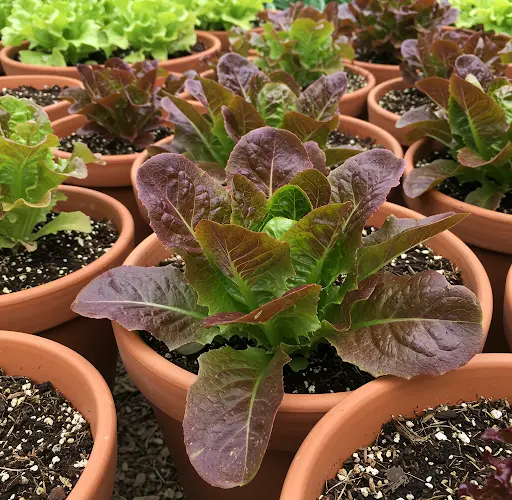
Ruby romaine lettuce is a beautiful and nutritious leafy green that’s as visually striking as it is delicious. Known for its deep red to burgundy-tinted leaves and crisp texture, this lettuce variety adds a pop of color to any garden or salad bowl. Fortunately, it’s easy to grow from seed—even for beginners. Whether you’re growing in containers, raised beds, or directly in the garden, this guide will take you through every step from seed to harvest.
Why Grow Ruby Romaine Lettuce?
Ruby romaine offers more than just good looks. It’s high in vitamins A and K, contains antioxidants, and has a slightly sweet, earthy flavor that makes it perfect for salads, wraps, or sandwiches. It’s a cool-season crop that grows quickly, making it ideal for spring and fall planting.
Choosing the Right Location
Ruby romaine grows best in full sun but can tolerate partial shade, especially in warmer climates. It prefers cooler temperatures, generally between 45°F and 75°F (7°C to 24°C). If you’re growing in hotter regions, consider planting in an area that gets morning sun and afternoon shade to help prevent bolting (when the plant starts flowering and becomes bitter).
Soil Preparation
Lettuce prefers loose, well-draining soil that is rich in organic matter. Before planting, amend the soil with compost or well-rotted manure to improve fertility and moisture retention. Aim for a soil pH between 6.0 and 6.8.
If you’re planting in containers, use a high-quality potting mix designed for vegetables. Choose a container at least 6–8 inches deep with good drainage holes to prevent waterlogging.
Sowing Seeds
You can start Ruby romaine lettuce seeds directly in the garden or indoors, depending on your climate and growing season.
Direct Sowing:
-
Sow seeds 1/8 to 1/4 inch deep and about 1 inch apart in rows spaced 12 inches apart.
-
Gently cover the seeds with a fine layer of soil and water lightly.
-
Keep the soil consistently moist until seeds germinate—usually within 7 to 10 days.
Starting Indoors:
-
Begin seeds indoors 4–6 weeks before your last expected frost date.
-
Use seed trays or small pots filled with moist potting mix.
-
Once seedlings have 2–3 true leaves and outdoor conditions are favorable, harden them off by gradually introducing them to outdoor temperatures over a week before transplanting.
Thinning and Transplanting
Once your seedlings are a few inches tall, thin them to 6–8 inches apart to give each plant room to grow. If starting indoors, transplant them into their final location following the same spacing. Water well after transplanting to help reduce shock.
Watering and Feeding
Lettuce needs consistent moisture to grow tender, flavorful leaves. Water regularly, especially in dry weather, keeping the soil evenly moist but not soggy. Overwatering can lead to root rot, while underwatering may result in bitter leaves.
Fertilize the plants every 2–3 weeks with a balanced, water-soluble fertilizer or organic compost tea. Avoid high-nitrogen fertilizers, which can promote excessive leaf growth at the expense of flavor and structure.
Preventing Bolting and Pests
Ruby romaine is less prone to bolting than some other lettuce types, but hot weather can still trigger it. To extend the harvest:
-
Plant in cooler months or partial shade during the warm season.
-
Use mulch around the plants to retain moisture and regulate soil temperature.
-
Choose slow-bolting seed varieties if available.
Common pests include aphids, slugs, and snails. To manage them:
-
Inspect plants regularly and remove pests by hand.
-
Use neem oil or insecticidal soap as needed.
-
Keep the garden free of decaying plant matter to discourage pest hiding spots.
Harvesting Ruby Romaine Lettuce
Ruby romaine can be harvested in two ways:
-
Cut-and-Come-Again: Snip the outer leaves once they reach 4–6 inches long, leaving the inner leaves to continue growing. This method allows for multiple harvests from a single plant.
-
Full-Head Harvesting: Wait until the lettuce forms a firm, mature head (usually in 55–70 days), then cut the entire head at the base with a sharp knife.
Harvest in the early morning when the leaves are crisp and full of moisture. Rinse gently and store in the refrigerator for up to a week.
Succession Planting
For a continuous supply of fresh lettuce, practice succession planting. Sow new seeds every 2–3 weeks while the weather remains favorable. This way, you’ll have young plants maturing as older ones are harvested or bolting.
Growing in Containers
Ruby romaine grows exceptionally well in containers, making it ideal for patios, balconies, or small spaces. Use a wide, shallow container with good drainage and space the seeds as described. Container-grown lettuce may dry out faster than garden soil, so monitor moisture levels closely.
Conclusion
Growing Ruby romaine lettuce from seed is a straightforward and satisfying process. With just a little care and attention, you’ll be rewarded with vibrant, nutrient-packed greens straight from your garden. Whether you’re growing in the ground or in containers, this striking red romaine variety adds both flavor and color to your homegrown meals. Start with quality seeds, maintain consistent


