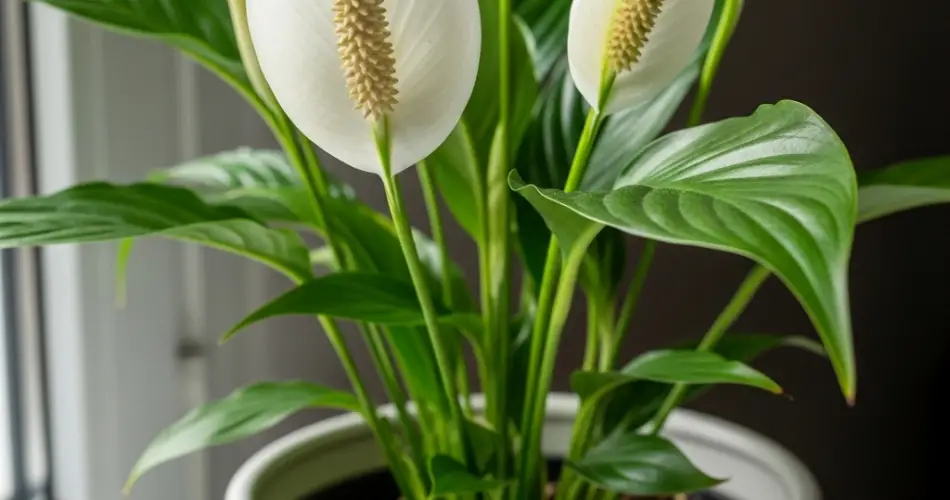
The Peace Lily (Spathiphyllum) is one of the most beginner-friendly houseplants you can grow. Known for its graceful white blooms and lush green leaves, this tropical plant can thrive indoors with minimal care. Even if you’ve never touched a trowel or have a history of struggling to keep plants alive, the Peace Lily is a forgiving choice that can help you build confidence in gardening.
Whether you live in a small apartment or want to add some natural charm to your home, here’s a simple and practical guide to growing a healthy and blooming Peace Lily—even with zero experience.
Why Choose the Peace Lily?
Peace Lilies are ideal for novice gardeners for several reasons:
-
Low maintenance: They require little more than water and light.
-
Air purifying: They help filter common indoor toxins from the air.
-
Resilient: They bounce back quickly from neglect.
-
Beautiful: The white spathes (often mistaken for flowers) and rich green leaves make any room feel fresher and more elegant.
If you’re looking for a beautiful, easy-care plant that thrives indoors, the Peace Lily is an excellent option.
Step 1: Choose the Right Pot and Soil
Peace Lilies grow well in containers and prefer slightly tight quarters. Select a pot that is just slightly larger than the root ball and has drainage holes to prevent soggy roots.
Use a light, well-draining soil. A good potting mix for houseplants or a combination of:
-
2 parts peat moss or coco coir
-
1 part perlite
-
1 part compost
This blend keeps the soil airy, helping roots breathe and grow without becoming waterlogged.
Step 2: Find the Perfect Spot
Peace Lilies love bright, indirect light. Too much direct sun can scorch their leaves, while too little light may prevent blooming. A north- or east-facing window is ideal. If you only have access to a west or south window, place the plant a few feet back or use sheer curtains to filter the light.
They can survive in low-light conditions, but they’ll grow slower and bloom less frequently.
Step 3: Master the Watering Routine
Watering is where most beginner plant owners struggle, but Peace Lilies are great communicators. They droop noticeably when they need water and quickly perk back up after a good drink.
Here’s how to water correctly:
-
Water when the top inch of soil feels dry to the touch.
-
Use room temperature water.
-
Water thoroughly until water drains from the bottom, then empty the saucer.
In most homes, watering once a week is enough. Avoid overwatering, as soggy soil can lead to root rot.
Step 4: Keep Humidity in Mind
As tropical plants, Peace Lilies appreciate higher humidity, though they tolerate average household levels well. If the leaf edges turn brown or crispy, they may need more moisture in the air.
You can boost humidity by:
-
Placing a tray of water with pebbles beneath the pot
-
Misting the leaves occasionally
-
Using a humidifier in dry rooms
Keep them away from heat vents and cold drafts, which can stress the plant.
Step 5: Feed for More Blooms
Peace Lilies aren’t heavy feeders, but a little fertilizer helps them produce more blooms.
Use a balanced, water-soluble houseplant fertilizer diluted to half strength. Apply once a month during spring and summer. Avoid over-fertilizing—too much can damage the plant and prevent flowering.
Step 6: Repot When Needed
Peace Lilies grow slowly but benefit from repotting every 1–2 years to refresh the soil and give the roots a little more space.
Signs it’s time to repot:
-
Roots growing out of drainage holes
-
Water runs straight through the pot
-
The plant looks crowded or top-heavy
Choose a pot only 1–2 inches larger in diameter than the current one.
Step 7: Troubleshooting Common Issues
Peace Lilies are hardy, but like all plants, they can show signs of stress. Here’s what to watch for:
-
Yellow leaves: Usually caused by overwatering.
-
Brown tips: Often due to low humidity or too much fertilizer.
-
No blooms: Move the plant to a brighter spot and reduce fertilization.
-
Drooping: A sign of underwatering (or occasionally overwatering).
Trim off dead or damaged leaves to keep the plant looking tidy and healthy.
Step 8: Enjoy and Multiply
Peace Lilies grow “pups” or small offshoots that can be separated and planted on their own. When repotting, gently pull apart the root clumps and pot each new plant separately. It’s a simple way to expand your indoor garden without spending a dime.
Final Thoughts
You don’t need to be an expert to grow a thriving Peace Lily. With the right location, occasional watering, and a little attention to light and humidity, even total beginners can enjoy the beauty and benefits of this classic houseplant.
The Peace Lily is not just a plant—it’s a quiet, graceful presence in your home that offers a peaceful reminder of nature’s resilience. Start with one, and you may soon find yourself hooked on houseplants.


