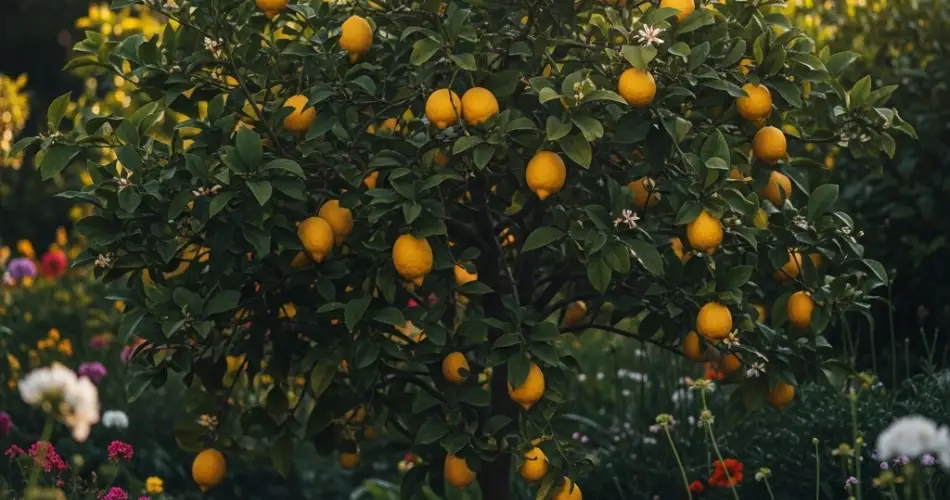
The idea of harvesting lemons from your own tree may seem like a luxury reserved for those with large gardens in warm climates, but the truth is: you can grow a thriving, blooming lemon tree right at home—even indoors or on a balcony. With the right care, lemon trees not only produce fragrant blooms throughout the year but also reward you with fresh, zesty fruits.
Whether you’re a beginner or looking to improve your citrus care routine, here’s how to successfully raise a lemon tree and enjoy vibrant blossoms in every season.
1. Choose the Right Variety
Not all lemon trees are created equal—some are better suited to indoor or container growth, while others need space and warm weather.
Best varieties for home growers:
-
Meyer lemon: A hybrid between a lemon and a mandarin orange. It’s compact, sweeter, and ideal for pots.
-
Ponderosa lemon: Known for its large fruit and ability to thrive indoors.
-
Improved Meyer lemon: Disease-resistant and great for small spaces.
If you’re growing your lemon tree indoors or on a patio, choose a dwarf or semi-dwarf variety that won’t outgrow its container.
2. Use the Right Container and Soil
If you’re growing your lemon tree in a pot, select a container that allows for healthy root growth and has excellent drainage.
Container tips:
-
Use a pot that’s at least 14–16 inches in diameter, with drainage holes.
-
Terracotta pots are ideal because they allow better airflow to the roots.
Soil tips:
-
Choose a light, well-draining potting mix, preferably formulated for citrus or cactus.
-
You can create your own by mixing equal parts potting soil, perlite, and coarse sand.
Avoid dense, moisture-retentive soils, which can lead to root rot.
3. Give It Plenty of Light
Lemon trees are sun-loving plants. To promote year-round blooming, they require 8–12 hours of light per day.
Placement tips:
-
Indoors: Place near a south- or west-facing window.
-
Outdoors: Choose a sunny spot with full exposure.
If natural light is limited—especially during winter—use a full-spectrum grow light to supplement.
4. Watering: Consistency Is Key
One of the most common mistakes in citrus care is overwatering. Lemon trees prefer evenly moist, not soggy, soil.
Watering guide:
-
Water deeply when the top 1–2 inches of soil feel dry.
-
Allow excess water to drain fully—never let the plant sit in water.
-
In winter, reduce watering slightly as the tree enters a slower growth phase.
Yellowing leaves are often a sign of too much water; crispy leaves may mean it’s too dry.
5. Fertilize for Blooms and Fruit
Lemon trees are heavy feeders and need consistent nutrition to support healthy growth and vibrant blooms.
Fertilizer tips:
-
Use a balanced, slow-release citrus fertilizer every 6–8 weeks during the growing season (spring to fall).
-
Look for products with high nitrogen and added magnesium and iron—important nutrients for citrus.
-
During winter, reduce feeding to once every 2–3 months.
Leaf drop or a lack of flowering can often be corrected by feeding regularly and appropriately.
6. Promote Pollination Indoors
Lemon trees grown outdoors are naturally pollinated by bees and insects. Indoor trees need a little help.
How to hand-pollinate:
-
Use a soft paintbrush or cotton swab to gently transfer pollen from one flower to another.
-
Do this during blooming periods to improve fruit set.
This simple step encourages your indoor lemon tree to bear fruit just like it would outside.
7. Prune for Shape and Health
Pruning not only keeps your lemon tree compact and attractive but also encourages more blooms.
When and how to prune:
-
Prune in early spring, before new growth starts.
-
Remove any dead, damaged, or crossing branches.
-
Lightly shape the tree by cutting back leggy branches.
-
Pinch off new growth tips to encourage branching.
Avoid heavy pruning all at once—it can stress the plant and reduce flowering temporarily.
8. Maintain Proper Humidity and Temperature
Lemon trees prefer temperatures between 60–85°F (15–29°C) and moderate humidity. Indoors, dry air from heaters can cause stress.
Tips for indoor care:
-
Mist the leaves regularly or place a humidity tray under the pot.
-
Avoid placing the tree near cold drafts or heating vents.
During warm months, you can move your lemon tree outdoors to a sheltered, sunny spot, then bring it back indoors before the temperature drops below 50°F (10°C).
9. Enjoy the Benefits Year-Round
With proper care, your lemon tree will reward you with seasonal blooms and aromatic foliage. Many varieties bloom multiple times a year, especially when kept warm and well-lit.
You’ll enjoy:
-
A fragrant, flowering plant that beautifies your space.
-
Fresh lemons for drinks, cooking, and desserts.
-
A rewarding gardening experience—right from your windowsill or balcony.
Final Thoughts
Raising a lemon tree is easier than you think, and the results are more than worth the effort. With sunlight, well-drained soil, proper feeding, and a little pruning, your lemon tree can thrive year-round—blooming, fruiting, and bringing joy to your home no matter the season.
Whether you have a sunny windowsill or a cozy corner on your balcony, lemon trees are a perfect addition to any indoor or small-space garden. Start small, care consistently, and you’ll be harvesting your own lemons before you know it.


