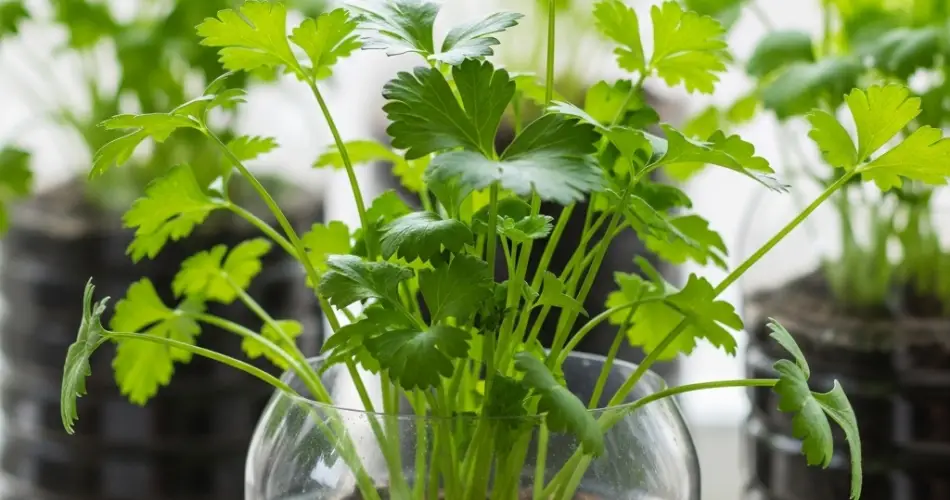
Parsley is a flavorful and versatile herb that deserves a spot in every kitchen garden. Whether you’re garnishing a dish, adding freshness to salads, or using it in soups and sauces, homegrown parsley delivers unbeatable flavor and convenience. Fortunately, you don’t need a backyard to grow it. With the right container, soil, and care, parsley can thrive in even the smallest of spaces—balconies, patios, windowsills, or kitchen counters.
Here’s a complete guide to growing parsley in containers to ensure a lush, productive plant that’s always within reach.
Choosing the Right Parsley Variety
There are two main types of parsley:
-
Curly Leaf Parsley (Petroselinum crispum): Recognized by its tightly curled, ruffled leaves. It’s often used as a garnish but also has culinary applications.
-
Flat Leaf Parsley (Italian Parsley): With broader, flat leaves, this variety offers a stronger flavor and is favored for cooking.
Both types grow well in containers. Choose based on your taste preferences or try growing both to enjoy their unique textures and flavors.
Selecting a Container
Parsley grows a long taproot, so choose a container that’s at least 8–10 inches deep. The width can vary depending on how many plants you want to grow. Options include:
-
Plastic, ceramic, or clay pots
-
Repurposed containers with drainage holes
-
Window boxes for indoor or balcony gardens
Ensure your container has drainage holes to prevent waterlogging, which can lead to root rot.
Soil Requirements
Parsley prefers a rich, well-draining potting mix. Use:
-
A high-quality potting soil
-
Compost or aged manure (optional, but helpful for boosting nutrients)
-
Perlite or coarse sand for improved drainage
Avoid using heavy garden soil, as it can compact in containers and hinder root development.
Planting Parsley
Parsley can be grown from seeds or transplants. Seeds take longer to germinate but offer a rewarding experience.
From Seeds:
-
Soak parsley seeds in warm water overnight to speed up germination.
-
Fill the container with moist potting mix.
-
Sow seeds about 1/4 inch deep and lightly cover them with soil.
-
Keep the soil consistently moist during germination.
-
Germination may take 2–4 weeks, so be patient.
From Transplants:
-
Purchase young parsley seedlings from a nursery or start your own indoors.
-
Plant them 6–8 inches apart to allow room for growth.
-
Water after transplanting to settle the roots.
Light and Temperature
Parsley thrives in full sun to partial shade. Aim for:
-
6 hours of sunlight per day for optimal growth
-
Morning sunlight with afternoon shade in hotter climates
Indoors, place containers near a sunny window or use grow lights if natural light is limited.
Watering and Feeding
Parsley likes consistently moist soil but not soggy conditions.
-
Water when the top inch of soil feels dry.
-
In hot weather, check soil daily, as containers dry out faster than garden beds.
-
Use a balanced liquid fertilizer (like 10-10-10) every 2–3 weeks, or enrich the soil with compost at planting.
Harvesting Parsley
Begin harvesting once the plant has developed a bushy appearance and has at least 4–5 mature leaves per stem.
-
Always harvest the outer stems first, cutting at the base with clean scissors or garden snips.
-
Avoid cutting the center (crown) of the plant, as this is where new growth originates.
-
Regular harvesting encourages the plant to produce more leaves.
Fresh parsley can be used immediately, refrigerated, or dried for long-term use.
Pest and Disease Management
Parsley is generally low-maintenance but keep an eye out for:
-
Aphids: Tiny green pests that cluster under leaves—treat with insecticidal soap or neem oil.
-
Fungal issues: Usually from poor air circulation or overly wet soil—ensure good drainage and space between plants.
-
Caterpillars: Parsley attracts swallowtail butterfly larvae—consider leaving one plant for them if you enjoy pollinators.
Rotate containers occasionally and remove any yellowing or damaged leaves to maintain plant health.
Extending the Growing Season
Parsley is a biennial herb, meaning it typically lasts two years. In the first year, it produces lush green leaves. In the second, it bolts (flowers) and sets seed. For continuous harvest:
-
Start new parsley plants every few months.
-
Grow indoors during cooler months or use a cold frame outdoors.
Tips for Better Growth
-
Mulch the top of the soil with straw or shredded leaves to help retain moisture.
-
Rotate containers if only one side receives light to promote even growth.
-
Avoid over-fertilizing, which can lead to excessive foliage with reduced flavor.
Final Thoughts
Growing parsley in containers is a practical way to enjoy a steady supply of this flavorful herb year-round. With a bit of sun, water, and care, your parsley will flourish in a compact space—perfect for snipping fresh leaves whenever your recipe calls for a dash of green. Whether you grow it indoors on your kitchen windowsill or outdoors in a container garden, parsley adds both utility and freshness to your culinary routine.


