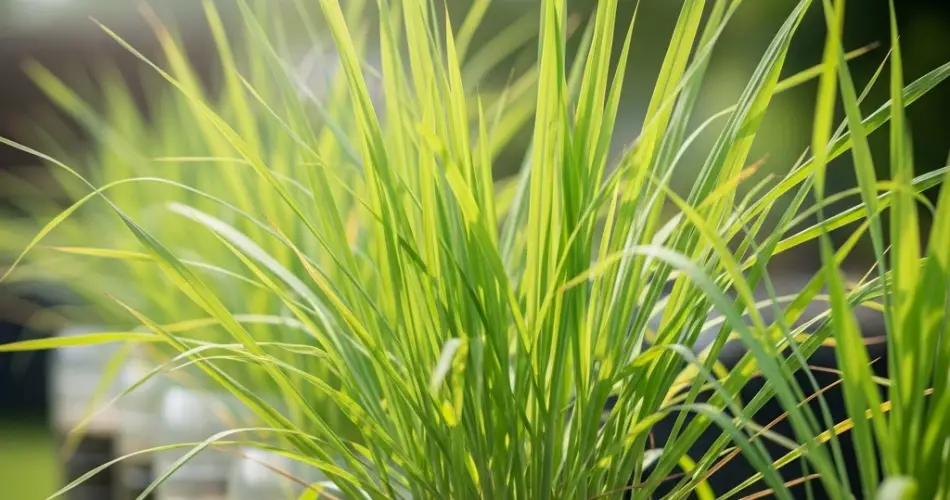
Lemongrass, with its refreshing citrus scent and bold flavor, is a staple in many Asian dishes and herbal teas. Aside from its culinary uses, lemongrass also has medicinal and insect-repellent properties. The good news? You don’t need a sprawling garden to grow this fragrant herb. With a simple recycled plastic bottle, you can cultivate lemongrass even in the smallest of spaces—on a balcony, windowsill, or kitchen counter.
This DIY method of growing lemongrass in plastic bottles is not only a space-saver but also an eco-friendly way to repurpose materials and enjoy homegrown herbs all year round.
Why Grow Lemongrass in Bottles?
Lemongrass is one of the easiest herbs to grow in containers. It doesn’t need a deep root system early on and adapts well to various environments as long as it receives plenty of sunlight and consistent moisture. Using bottles makes it easy to manage, especially for beginners or urban dwellers with no access to garden beds.
Plastic bottles are lightweight, easy to modify, and fit perfectly on narrow ledges, balconies, or windowsills. This method also promotes sustainable gardening by reducing plastic waste.
What You’ll Need
Here’s what you need to start your bottle-grown lemongrass:
-
A large plastic bottle (1.5–2 liters or larger)
-
Sharp scissors or a knife
-
Pebbles or small gravel (for drainage)
-
All-purpose potting mix (preferably mixed with sand or cocopeat)
-
Lemongrass stalks with the base intact (from the market or existing plant)
-
A spray bottle or watering can
-
Sunny spot for placement
Lemongrass is best grown from fresh stalks that still have the base (root end) attached. These are often sold in grocery stores or markets for cooking.
Step 1: Prepare the Bottle Planter
Start by thoroughly cleaning your plastic bottle and removing any labels. Cut the bottle horizontally about one-third from the top. You’ll use the bottom section as your planter.
Poke several small holes in the bottom of the bottle using a heated needle or small knife for drainage. Then, add a 2–3 cm layer of pebbles or gravel to help excess water drain away and prevent root rot.
Step 2: Fill with Soil
Fill the bottle about three-quarters full with your potting mix. Lemongrass prefers light, well-draining soil. To improve drainage, you can mix the potting soil with a bit of sand, perlite, or cocopeat.
Lightly moisten the soil before planting to give your lemongrass a good start.
Step 3: Prepare and Plant the Lemongrass
If you’re using market-bought lemongrass stalks, choose ones that still have the white bulbous base attached. Remove any dry or brown leaves from the top and trim the tops if needed, leaving about 15–20 cm of stalk.
Place the lemongrass in a glass of water with the root end submerged. Keep it in a sunny spot and change the water every couple of days. In about 5–10 days, small roots should start to appear.
Once the roots are 2–5 cm long, the lemongrass is ready to be transferred into the bottle planter. Make a small hole in the soil and gently insert the rooted end. Firm the soil around the stalk to hold it upright.
Step 4: Provide the Right Conditions
Lemongrass loves sunlight, so place your bottle planter in a location where it can receive at least 6 hours of light each day. A bright windowsill, balcony railing, or sunny porch is ideal.
Keep the soil consistently moist, especially during the early growth period. Use a spray bottle or watering can to avoid overwatering. Make sure water drains well to avoid soggy roots.
Step 5: Ongoing Care and Growth
As the plant grows, new stalks will emerge from the base, and the leaves will spread out like a fountain. Trim any yellowing leaves to encourage healthy growth.
Feed your lemongrass with a diluted organic liquid fertilizer once a month, especially during active growing seasons. Avoid crowding the planter—if your plant outgrows the bottle, you can transplant it to a larger container.
Lemongrass doesn’t require frequent pruning, but you can harvest stalks once they are thick and mature—usually after about 3–4 months of growth.
Harvesting Lemongrass
To harvest, gently pull or cut one of the outer stalks at the base, leaving the rest of the plant intact. Use the white lower portion for cooking or steep the leaves in hot water for herbal tea.
Regular harvesting encourages the plant to produce new stalks, keeping your supply fresh and continuous.
Final Tips
-
Use multiple bottles to grow more plants if space allows.
-
Protect from heavy rain or strong wind if placing outdoors.
-
In cooler climates, bring the planter indoors during cold months.
Conclusion
Growing lemongrass in recycled plastic bottles is a smart, sustainable, and space-saving way to bring fresh herbs into your home. Whether you’re a city gardener or just want a simple DIY project, this method delivers both function and flavor. With just a bottle, soil, and a sunny corner, you can cultivate your own vibrant lemongrass plant—perfect for cooking, tea-making, or simply enjoying its refreshing scent.


