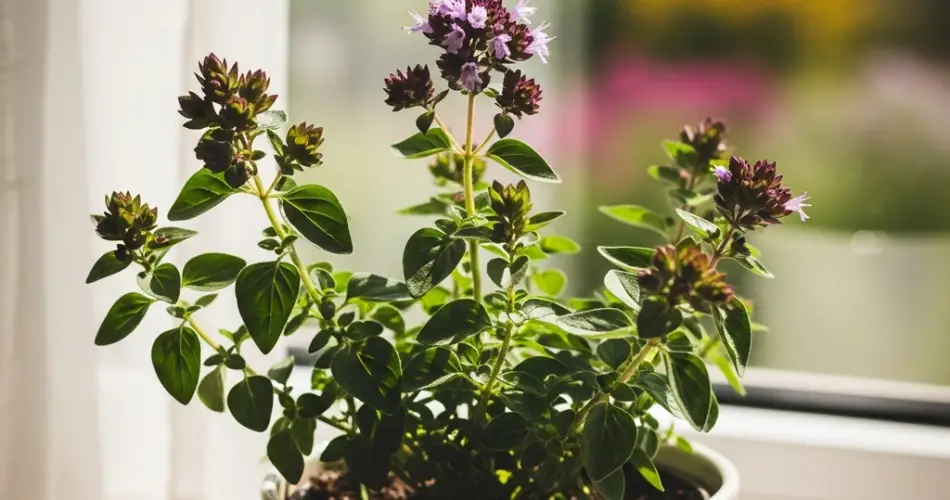
Oregano is a Mediterranean herb celebrated for its bold aroma and rich, earthy flavor. Commonly used in Italian, Greek, and Mexican cuisines, it’s an essential herb for seasoning sauces, meats, and roasted vegetables. The good news is, oregano is incredibly easy to grow at home—and it thrives in containers.
Growing oregano in pots not only gives you the flexibility to cultivate it in small spaces like balconies, windowsills, or patios, but it also lets you control soil quality, drainage, and sunlight exposure. With just a bit of care, you can enjoy an abundant supply of fragrant, flavorful oregano year-round.
Why Grow Oregano in Pots?
Container gardening offers many benefits, especially for herbs like oregano. It allows you to:
-
Keep plants close to your kitchen for easy harvesting
-
Move pots to follow the sun or avoid harsh weather
-
Prevent overcrowding from other aggressive herbs
-
Control soil type and moisture more precisely
-
Grow herbs even without a traditional garden
Oregano’s compact size and drought tolerance make it particularly well-suited for pot cultivation.
Choosing the Right Container
For healthy oregano, start with the right pot:
-
Size: Use a container at least 8 inches deep and 10–12 inches wide. Oregano doesn’t require much root space but needs enough room to spread out.
-
Material: Terracotta, ceramic, or plastic pots are all suitable. Terracotta is ideal as it helps prevent overwatering by allowing moisture to evaporate.
-
Drainage: Always choose pots with good drainage holes to prevent root rot. You can place a saucer underneath to catch excess water, but make sure the pot doesn’t sit in it.
If you’re planting multiple herbs, keep oregano in its own container to avoid competing with more demanding plants.
Best Soil for Potted Oregano
Oregano grows best in well-draining soil with a neutral to slightly alkaline pH (6.5 to 7.5). Use a high-quality potting mix designed for herbs or vegetables.
To improve drainage and replicate oregano’s native Mediterranean environment, consider adding:
-
A handful of coarse sand or perlite
-
A scoop of compost for slow-release nutrients
Avoid overly rich soil, as it can reduce the intensity of oregano’s flavor.
Planting Oregano: Seeds or Transplants
From seeds:
Sow oregano seeds on the soil surface and lightly press them in—don’t bury them too deep. Keep the soil moist but not soggy until seedlings appear, usually within 7–14 days. Once the plants are 3–4 inches tall, thin them out, keeping the strongest ones.
From seedlings or cuttings:
This is the faster and more reliable method. Plant the oregano seedling at the same depth it was growing in its nursery pot. Press the soil gently around the roots and water thoroughly.
Sunlight and Temperature Requirements
Oregano is a sun-loving herb. Place your container in a location that receives at least 6–8 hours of direct sunlight per day. A south- or west-facing balcony, patio, or windowsill is ideal.
If growing indoors, position the pot near a sunny window or use a grow light to supplement natural light. Oregano also prefers warm temperatures, ideally between 60–75°F (15–24°C).
Watering and Feeding
Oregano prefers slightly dry conditions once established. Let the top inch of soil dry out before watering again. Overwatering is one of the most common causes of poor growth.
-
Water thoroughly, then allow excess water to drain.
-
Reduce watering frequency during cooler months.
-
Fertilize sparingly—once every 4–6 weeks with a diluted liquid fertilizer or compost tea. Too much fertilizer can dull oregano’s flavor.
Pruning and Harvesting for Maximum Flavor
Regular pruning is key to encouraging bushy growth and enhancing oregano’s flavor. Here’s how to do it:
-
Start harvesting once the plant is at least 4–6 inches tall.
-
Use clean scissors to snip stems just above a leaf node.
-
Avoid harvesting more than one-third of the plant at a time.
-
Regularly pinch off flower buds to prevent the plant from going to seed, which can weaken flavor.
The more you harvest, the more your plant will grow. Frequent trimming keeps the plant compact and encourages the production of flavorful leaves.
Drying and Storing Oregano
Oregano’s flavor intensifies when dried. To preserve your harvest:
-
Cut several stems and tie them into small bundles.
-
Hang them upside down in a dry, airy location out of direct sunlight.
-
Once the leaves are dry and crumbly, strip them from the stems and store in an airtight container.
Dried oregano can last up to a year and is perfect for cooking when fresh leaves aren’t available.
Pest and Disease Tips
Oregano is relatively pest-resistant, but watch for:
-
Aphids
-
Spider mites
-
Fungal spots if overwatered
To avoid problems:
-
Ensure good airflow around your plant
-
Avoid wetting the leaves during watering
-
Use neem oil or insecticidal soap if pests appear
Healthy potted oregano, especially in sunny spots, rarely faces major pest issues.
Creative Growing Ideas
-
Plant oregano in a decorative pot on your kitchen counter for easy access
-
Use hanging baskets to save floor space and add greenery to your balcony
-
Combine with other drought-tolerant herbs like thyme and rosemary in a divided container
Conclusion
Growing oregano in pots is a smart and practical way to enjoy this flavorful herb year-round. With minimal space, the right soil, and regular pruning, your potted oregano can become a reliable source of culinary delight. Whether fresh or dried, oregano from your own container garden will always bring bold, authentic flavor to your cooking.


