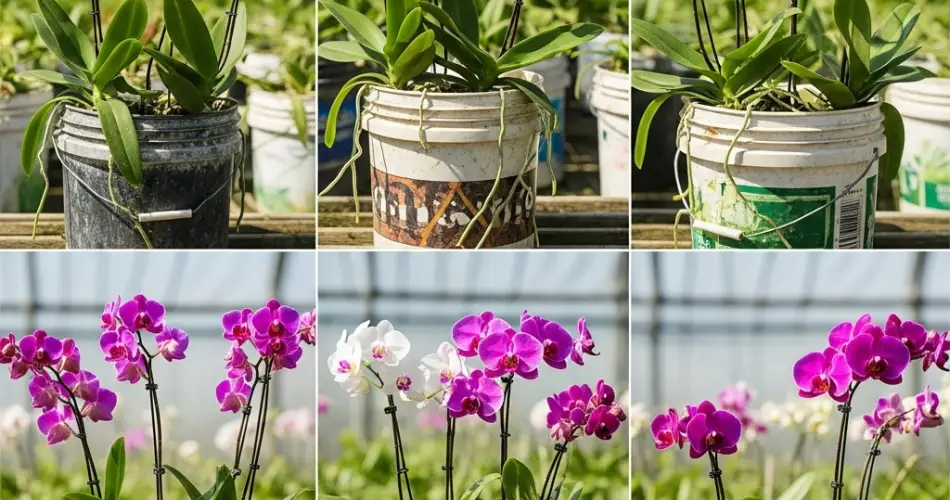
When most people think of orchids, they imagine exotic flowers used for decoration, not food. However, certain types of orchids—especially Dendrobium, Gastrodia, and Vanilla—are known for their edible and culinary properties. Growing these edible orchids at home is not only possible, but surprisingly simple when using buckets as containers. Whether you want to add a touch of elegance to your meals or enjoy the satisfaction of cultivating your own unique plants, this method is a practical and rewarding option.
Why Grow Orchids in Buckets?
Buckets offer a controlled environment, ideal for orchids that prefer specific conditions. With good drainage, proper air circulation, and room to grow, a bucket can mimic the orchids’ natural habitat surprisingly well. Buckets are also portable, making it easier to move your orchids around depending on sunlight, temperature, or rain.
Additionally, for those with limited garden space—such as apartment dwellers or those with only a balcony—buckets are an excellent way to maintain a homegrown edible plant collection.
Choosing the Right Orchid Variety
Not all orchids are edible, so it’s important to choose the right variety:
-
Dendrobium nobile: Known for its medicinal and culinary uses in Asia. The flowers can be used in teas or salads.
-
Gastrodia elata: A root orchid used traditionally in Chinese medicine.
-
Vanilla planifolia: The source of real vanilla. While more challenging to grow, it’s highly rewarding if you have a warm and humid environment.
Make sure you purchase your plants or seeds from a reputable source and confirm that they are suitable for consumption.
Materials You’ll Need
-
Clean 5-gallon bucket (plastic or metal, with drainage holes at the bottom)
-
Orchid potting mix (typically a blend of bark, charcoal, perlite)
-
Optional: sphagnum moss or coconut husk for added moisture retention
-
Fertilizer suitable for orchids (organic if you’re aiming for edible use)
-
A small trellis or support for climbing varieties like vanilla
-
Drill or tool for creating drainage holes (if your bucket doesn’t have them)
Preparing Your Bucket
-
Create Drainage: Orchids hate “wet feet.” Drill 4–6 holes in the bottom of your bucket, and optionally a few around the lower sides to improve airflow.
-
Layering: Start with a thin layer of gravel or coarse stone at the bottom to help with drainage.
-
Add Growing Medium: Fill the rest of the bucket with orchid potting mix. Avoid regular garden soil, as it holds too much moisture and may suffocate the roots.
Planting the Orchid
-
Placement: Position the orchid in the center of the bucket. The base of the plant should sit just above the potting mix level.
-
Support: If you’re growing vanilla or another climbing orchid, place a trellis or bamboo stick in the bucket at the time of planting.
-
Watering: Water thoroughly after planting, allowing excess water to drain out. Let the potting mix dry slightly between waterings. Overwatering is a common mistake.
Caring for Your Orchid
-
Light: Orchids typically prefer bright, indirect light. A spot with morning sun and afternoon shade is ideal.
-
Temperature: Most edible orchids thrive in warm, humid conditions. Keep the temperature between 18–30°C (65–86°F), depending on the species.
-
Humidity: Aim for 50–70% humidity. You can mist the leaves or place the bucket on a tray of pebbles with water to boost humidity.
-
Fertilization: Use a balanced orchid fertilizer once every 2–3 weeks during the growing season. Reduce feeding in winter.
-
Pruning: Remove dead or yellowing leaves to encourage new growth and prevent disease.
Harvesting and Using Edible Orchids
When your orchid begins to flower, you can selectively harvest the blooms or pods depending on the species. For example:
-
Dendrobium flowers can be added fresh to salads or dried for herbal teas.
-
Gastrodia roots are usually harvested when mature, then dried or ground for medicinal use.
-
Vanilla pods must be pollinated manually, harvested, and cured over several months—but the result is pure, fragrant vanilla.
Always be sure the orchid species you are harvesting is safe for consumption and has not been treated with harmful chemicals.
Final Thoughts
Growing edible orchids in buckets combines beauty, utility, and sustainability. With just a little care and attention, you can enjoy not only the exotic elegance of these plants but also their culinary and medicinal benefits. This method is accessible to both beginners and experienced gardeners looking to add something unique to their homegrown collection.


