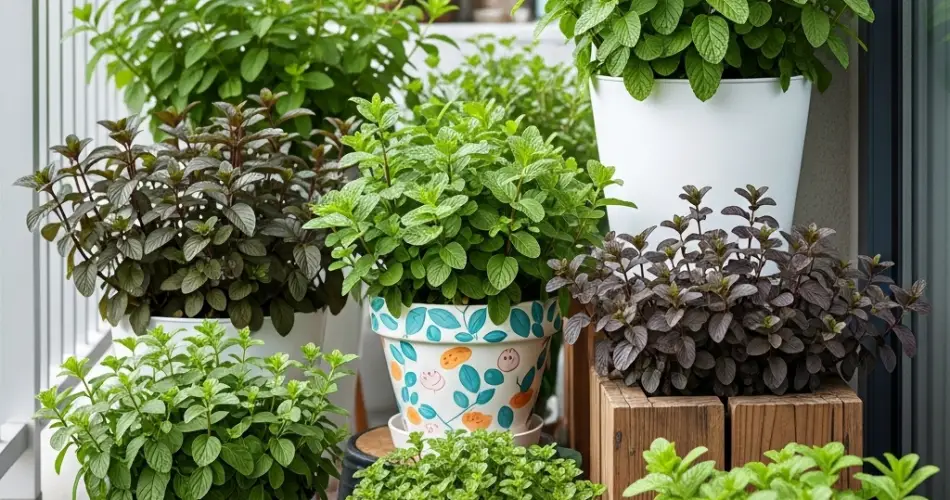
Mint is one of the easiest and most rewarding herbs to grow at home. Its refreshing aroma and flavor make it a favorite for teas, desserts, sauces, and cocktails. However, mint is known for its vigorous growth and spreading habit, which is why growing it in containers—especially on a balcony—is an ideal solution. With the right setup and care, you can grow a thriving, lush mint plant just steps from your kitchen.
Why Grow Mint in Containers?
Mint is a fast-spreading perennial herb that can quickly take over garden beds if left unchecked. Growing it in containers not only controls its aggressive roots but also makes it easier to move around to capture sunlight and protect from harsh weather. Container growing is especially perfect for small spaces like balconies or patios.
Choose the Right Variety
There are many types of mint, including peppermint, spearmint, chocolate mint, apple mint, and more. Each variety has a distinct flavor and aroma. Spearmint is great for savory dishes and mojitos, while peppermint is ideal for teas and sweets. Choose one or more based on your culinary preferences and the space you have.
Selecting a Container
Use a pot or container that is at least 12 inches wide and 8 inches deep to give the roots ample space to grow. Mint prefers to spread horizontally, so wider containers work better than deep, narrow ones. Make sure the pot has good drainage holes to prevent soggy soil, which can lead to root rot.
Plastic, clay, ceramic, or even repurposed containers like buckets or tubs all work well—as long as they drain properly.
Use the Right Soil
Mint thrives in well-draining, nutrient-rich soil. A standard potting mix formulated for vegetables or herbs will work well. You can improve drainage by mixing in a bit of coarse sand or perlite.
Avoid using garden soil, which can compact in containers and may contain pests or weeds.
Position for Maximum Light
Mint grows best with 4 to 6 hours of sunlight per day. Place your container in a partially sunny spot on the balcony—morning sun with afternoon shade is ideal, especially in warmer climates. Too much direct sun in the heat of summer can dry out the soil quickly and stress the plant, while too little light can lead to leggy, weak growth.
If your balcony is heavily shaded, mint can still grow, but it may not be as robust. In that case, consider using a grow light to supplement natural light.
Watering for Healthy Growth
Mint enjoys consistently moist soil, but it does not like waterlogged roots. Water the plant thoroughly whenever the top inch of soil feels dry. During hot weather, you may need to water daily. In cooler seasons, cut back to every few days or as needed.
Always check that water is draining from the bottom of the container. Standing water can cause root rot and attract pests.
Feeding and Fertilizing
Mint doesn’t need heavy feeding but benefits from a balanced, all-purpose liquid fertilizer every 4–6 weeks during the growing season. Over-fertilizing can lead to excessive leafy growth with diminished flavor, so use a diluted formula and apply sparingly.
Organic options like compost tea or fish emulsion are excellent choices that gently support growth.
Prune to Promote Bushiness
Mint becomes fuller and bushier the more you prune it. Once the plant reaches about 6 inches tall, begin pinching off the top leaves regularly. This encourages branching and prevents the plant from becoming leggy. Always cut just above a set of leaves, and avoid letting the plant flower if you want to maintain leaf production.
If your mint does begin to flower, you can snip off the flower stalks to redirect energy into leaf growth.
Watch for Common Issues
Mint is relatively pest-resistant, but it can occasionally suffer from aphids, spider mites, or whiteflies, especially in warm, humid conditions. If pests appear, rinse the plant with water or use a mild insecticidal soap.
Also, check for powdery mildew—a white coating on leaves—which can occur with poor airflow. Space containers well and avoid overhead watering to prevent this issue.
Harvesting Your Mint
You can start harvesting mint as soon as the plant has multiple stems and is at least 6 inches tall. Always take leaves from the top and sides rather than cutting the entire stem down to the base. This encourages more lateral growth and keeps your plant producing.
For the best flavor, harvest mint in the morning before the sun gets too strong.
Conclusion
Growing mint in containers on your balcony is a simple and satisfying way to have fresh herbs at your fingertips. With just a little care—good soil, adequate watering, moderate sunlight, and regular pruning—you can cultivate a vibrant mint plant that will thrive throughout the seasons. Whether you’re adding it to drinks, meals, or simply enjoying its scent, a lush mint plant is a welcome addition to any balcony garden.


