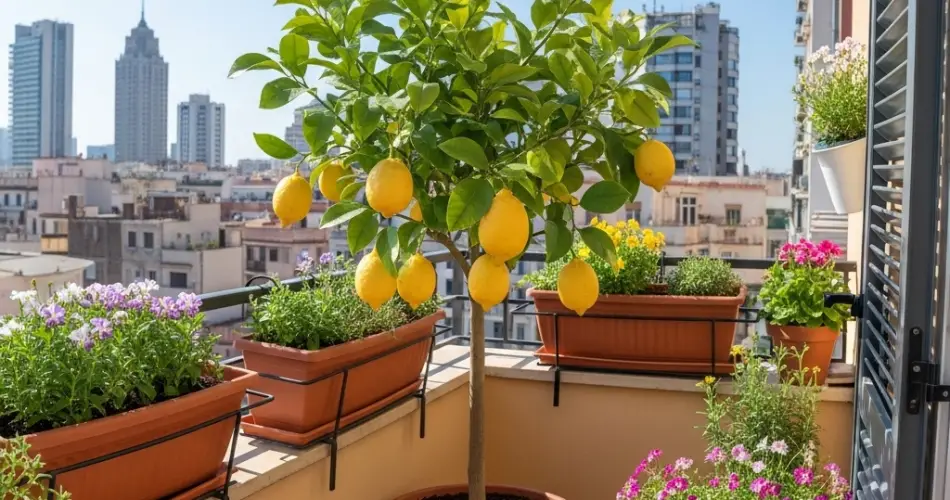
Dreaming of picking fresh lemons right from your balcony? Good news—you don’t need a big garden or even a yard to enjoy the zesty goodness of homegrown lemons. With the right container, care, and sunlight, lemon trees can thrive in small spaces and even indoors. Whether you want to flavor your tea, cook fresh meals, or simply enjoy the scent of citrus blossoms, growing lemons on a balcony is easier than you think.
Here are the essential tricks and tips to grow a healthy, productive lemon tree in a compact space.
Why Grow Lemons on a Balcony?
Lemons are one of the most versatile fruits you can grow. They’re rich in vitamin C, can be used in food, drinks, cleaning products, and even skincare. Balcony gardening also helps you control the growing environment, avoid soil-borne diseases, and move your plant as needed for sun or shelter.
Citrus trees adapt well to container life, especially dwarf varieties. A lemon tree on your balcony not only gives you fresh fruit but also brings beauty, fragrance, and a touch of the Mediterranean to your home.
Choosing the Right Lemon Variety
Not all lemon trees are suitable for container or balcony growing. Choose compact or dwarf varieties that stay manageable in size and are known for productivity in pots:
-
Meyer Lemon: A favorite for container growing. It’s slightly sweeter than regular lemons, produces abundantly, and has a compact growth habit.
-
Ponderosa Lemon: Grows well in pots and produces large fruit.
-
Improved Lisbon or Eureka: Great choices for warmer climates; they may need more space but can still thrive in large containers.
Always purchase a grafted, healthy tree from a reputable nursery.
Best Container and Soil for Lemon Trees
The success of your balcony lemon tree largely depends on choosing the right container and soil.
-
Container Size: Start with a pot that is at least 18–24 inches (45–60 cm) in diameter and depth. Make sure it has drainage holes to prevent waterlogging.
-
Material: Terracotta or ceramic pots are breathable and help prevent root rot, but plastic is lighter and easier to move.
-
Soil: Use well-draining potting soil, preferably one designed for citrus or cactus. You can also mix regular potting soil with sand or perlite to improve drainage.
Place a layer of gravel or broken clay pots at the bottom of the container to enhance drainage.
Sunlight and Positioning
Lemon trees are sun lovers. Place the pot in a location that gets at least 6–8 hours of full sunlight daily. South- or southwest-facing balconies are ideal.
If you live in a cooler climate, consider using a plant dolly or wheels under the pot so you can move it indoors or to a sunnier spot when needed.
Watering and Feeding
-
Watering: Lemons prefer moist but not soggy soil. Water when the top inch (2.5 cm) of soil feels dry. Avoid overwatering, especially in cooler months.
-
Feeding: Use a citrus-specific fertilizer or a balanced slow-release fertilizer with micronutrients. Feed your lemon tree every 4–6 weeks during the growing season (spring to early autumn).
A lack of nutrients often shows in yellowing leaves, especially if they start dropping.
Pruning and Care
-
Pruning: Regularly prune to keep the shape compact and allow light to reach all parts of the plant. Remove dead branches, suckers (shoots from the base), and any weak or crossing stems.
-
Pest Control: Watch out for pests like aphids, spider mites, and scale insects. A gentle spray of neem oil or insecticidal soap works well in most cases.
Pollination and Flowering
Lemon trees are self-pollinating, but if your tree is on a balcony with limited airflow or bees, you can help with hand-pollination. Use a soft paintbrush or cotton swab to gently transfer pollen between flowers.
Once pollinated, small green lemons will begin to form, growing slowly over several months before ripening.
Protecting Your Tree in Winter
Lemon trees are sensitive to frost. If you live in a cooler area:
-
Move the pot indoors during the coldest months.
-
Place it near a sunny window.
-
Reduce watering slightly to avoid root rot.
-
Keep it away from direct heat sources like radiators or fireplaces.
A grow light can supplement sunlight if needed during the darker months.
Harvesting Your Lemons
Lemons typically take 6–9 months to ripen, depending on the variety and growing conditions. Wait until the lemons are fully yellow and slightly soft to the touch before picking. Use scissors or pruning shears to avoid damaging the branch.
Harvest regularly to encourage new fruiting.
Final Thoughts
With just a bit of effort and the right setup, you can enjoy a thriving lemon tree even in a small apartment or balcony space. From the fragrant blossoms to the fresh fruit, growing lemons in containers is a rewarding and surprisingly easy gardening project. Try these tricks and bring a little sunshine into your life—one lemon at a time.


