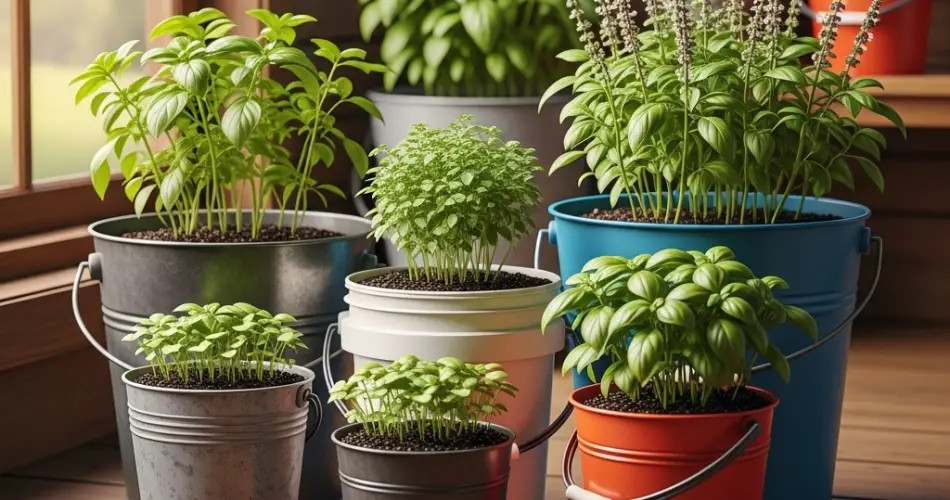
Basil is one of the most beloved herbs in kitchens around the world. Whether it’s used in pesto, pasta, salads, or infused oils, fresh basil brings incredible flavor and aroma to any dish. The good news? You don’t need a large garden or expert-level skills to grow it. With a bucket, some soil, and a sunny spot, you can cultivate lush, fragrant basil like a professional gardener right from your balcony, patio, or backyard.
This guide walks you through everything you need to know about growing healthy, abundant basil in buckets.
Why Grow Basil in Buckets?
Growing basil in buckets gives you greater control over soil quality, drainage, sunlight exposure, and pests. It’s an ideal option for people with limited space, urban gardeners, or those looking to grow herbs close to their kitchen for easy access.
Buckets are inexpensive, reusable, and portable. They allow you to move your basil to the sunniest part of your home or protect it from harsh weather. Plus, with just a little care, basil grown in buckets can be just as productive—if not more so—than garden-grown plants.
What You’ll Need
-
A clean bucket (at least 2–5 gallons in size)
-
A drill (to make drainage holes)
-
High-quality potting mix (preferably one with compost)
-
Basil seeds or healthy seedlings
-
Organic fertilizer (optional, but recommended)
-
A sunny location (6–8 hours of direct sunlight daily)
Preparing Your Bucket
-
Drainage Is Essential: Drill several small holes at the bottom of the bucket to ensure excess water drains freely. Basil does not like soggy soil.
-
Choose the Right Size: A 2-gallon bucket is sufficient for one basil plant. A 5-gallon bucket can hold 2–3 plants, but make sure they’re spaced about 6–8 inches apart to allow good airflow.
-
Add Potting Mix: Fill the bucket with potting mix, leaving about 1–2 inches of space from the top for watering. Avoid using garden soil, which may be too dense and hold too much moisture.
Choosing the Right Basil Variety
There are many types of basil to choose from, depending on your culinary tastes and space:
-
Sweet Basil: The most common variety, great for Italian dishes and pesto.
-
Genovese Basil: A classic large-leaf variety with strong flavor.
-
Thai Basil: Has a licorice-like taste and is popular in Asian cuisine.
-
Purple Basil: Ornamental and flavorful, ideal for salads and vinegar infusions.
You can grow multiple varieties in separate buckets to add diversity to your herb collection.
Planting Basil in Buckets
If starting from seed:
-
Sow seeds ¼ inch deep in moist soil.
-
Keep the soil consistently damp but not waterlogged.
-
Germination usually occurs within 5–10 days.
If using seedlings:
-
Gently transplant the basil into the bucket, making sure not to disturb the roots too much.
-
Water immediately after transplanting to help the plant settle in.
Caring for Your Basil Like a Pro
-
Sunlight: Basil needs full sun—ideally 6 to 8 hours per day. If you live in a hot climate, morning sun and afternoon shade can prevent scorching.
-
Watering: Water basil when the top inch of soil feels dry. Avoid overhead watering; water at the base to prevent fungal issues.
-
Feeding: Feed your basil every 2–3 weeks with a balanced organic liquid fertilizer, especially if you harvest frequently. Compost tea or fish emulsion works well.
-
Pruning: Regular pruning is key to a bushy, productive plant. Start pinching off the tips when the plant is about 6 inches tall. Always prune just above a pair of leaves to encourage branching.
-
Flower Management: When basil starts to flower, the leaves may become bitter. Remove flower buds as soon as you see them unless you’re growing basil for seeds or pollinators.
Common Problems and Solutions
-
Yellow Leaves: Usually a sign of overwatering or poor drainage. Check that water is draining properly.
-
Leggy Growth: Not enough sunlight. Move the bucket to a sunnier location.
-
Pests: Aphids, whiteflies, or snails may target basil. A light spray of neem oil or soapy water can help control infestations.
Harvesting and Using Your Basil
Begin harvesting when the plant has 6–8 healthy leaves. Never remove more than one-third of the plant at a time. Regular harvesting encourages new growth and prevents the plant from becoming woody.
Use basil fresh for the best flavor, or dry it by hanging bunches upside down in a well-ventilated area. You can also freeze chopped basil in olive oil for easy access during winter months.
Final Thoughts
Growing basil in buckets is a rewarding, low-maintenance gardening project that delivers aromatic, flavorful herbs all season long. With a little attention to light, water, and pruning, your bucket-grown basil will rival anything from a professional garden. Whether you’re an experienced grower or just getting started, this method is simple, affordable, and perfect for any space.


