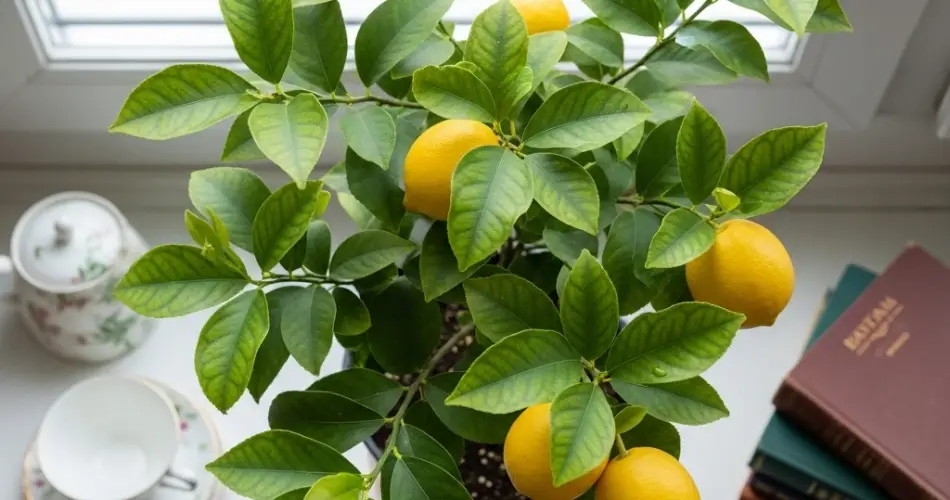
Fresh, zesty lemons don’t have to come from the supermarket or a sun-soaked orchard. With the right techniques, you can grow lemon trees indoors and enjoy fragrant blossoms and juicy fruit all year round. Even in small apartments or homes without a garden, lemons can thrive when given proper care. These easy tricks will help you successfully grow lemons indoors, no matter your climate or experience level.
Choosing the Right Lemon Tree Variety
Not all lemon trees are suited for indoor life. The best varieties for growing indoors are dwarf or miniature trees that are grafted onto smaller rootstock. Some popular choices include:
-
Meyer Lemon: A favorite for indoor growing, this variety produces slightly sweeter lemons and blooms multiple times a year.
-
Ponderosa Lemon: Known for its large fruit and tolerance to indoor conditions.
-
Improved Meyer: A hybrid between lemon and orange, ideal for pots and indoor growth.
Choose a young tree from a nursery that’s already grafted and ready for container life. Starting from seed is possible, but it takes years to see fruit and may not produce true-to-type lemons.
Selecting the Right Container
Lemon trees need room to grow, but their roots prefer a snug fit. Start with a container at least 12 to 14 inches in diameter, with good drainage holes at the bottom. Over time, you may need to repot into a larger container as the tree matures.
Use a well-draining potting mix, ideally formulated for citrus or indoor fruit trees. Avoid heavy garden soil, which retains too much moisture and can lead to root rot.
Light Is Essential
Lemon trees are sun-loving plants. Indoors, they need at least 8 to 12 hours of bright light daily. Place your tree near a south-facing window if possible.
If natural sunlight is limited, especially during winter months, consider using a full-spectrum grow light. Position it about 6–12 inches above the plant and run it for several hours each day to simulate natural conditions.
Watering and Humidity Tips
Overwatering is one of the most common mistakes in indoor lemon growing. The soil should be kept slightly moist but not soggy. A good rule of thumb is to water when the top inch of soil feels dry.
Indoor air tends to be dry, especially during the winter when heaters are running. Lemons prefer humidity levels around 50% or higher. You can maintain adequate humidity by:
-
Misting the leaves regularly
-
Using a humidity tray filled with water and pebbles
-
Running a humidifier nearby
Feeding for Healthy Growth
Lemon trees are heavy feeders and require regular fertilization. Use a citrus-specific fertilizer high in nitrogen, or a balanced slow-release formula that includes micronutrients like magnesium, iron, and zinc.
Feed the plant every 4 to 6 weeks during the growing season (spring through early fall), and reduce feeding during winter months when growth slows.
Pruning and Maintenance
Pruning helps shape your tree, encourage bushier growth, and remove dead or diseased branches. Trim back leggy or overcrowded stems to allow light to reach the center of the plant.
Keep an eye out for common pests like spider mites, aphids, and scale. Wipe the leaves regularly and use insecticidal soap or neem oil if needed.
Pollination Indoors
Unlike outdoor lemon trees that rely on bees and wind, indoor trees need a little help with pollination. When flowers appear, use a small paintbrush or cotton swab to gently transfer pollen from one flower to another.
This manual pollination increases the chances of fruit development indoors, especially if your tree blooms frequently throughout the year.
Managing Temperature
Lemon trees prefer warm, consistent temperatures. Aim for 18–26°C (65–80°F) during the day and no lower than 13°C (55°F) at night. Avoid placing the tree near drafty windows, radiators, or cold spots.
If you move the tree outside during summer, gradually acclimate it to direct sunlight and bring it back indoors before nighttime temperatures drop below 10°C (50°F).
When to Expect Fruit
Patience is key when growing lemons indoors. It can take 1 to 3 years for a grafted tree to begin fruiting. Once it does, however, you can enjoy multiple harvests a year, especially from everbearing varieties like the Meyer lemon.
Fruit typically takes 6 to 9 months to ripen after flowering. Wait until lemons are fully yellow (or golden yellow for Meyer) and slightly soft to the touch before picking.
Final Thoughts
Growing lemons indoors is easier than you might think, and the reward is not just fruit—it’s the fresh scent of blossoms, lush green foliage, and the satisfaction of producing your own citrus at home. With a sunny spot, proper care, and a bit of patience, your indoor lemon tree can flourish and bring a burst of brightness to your living space all year round.


