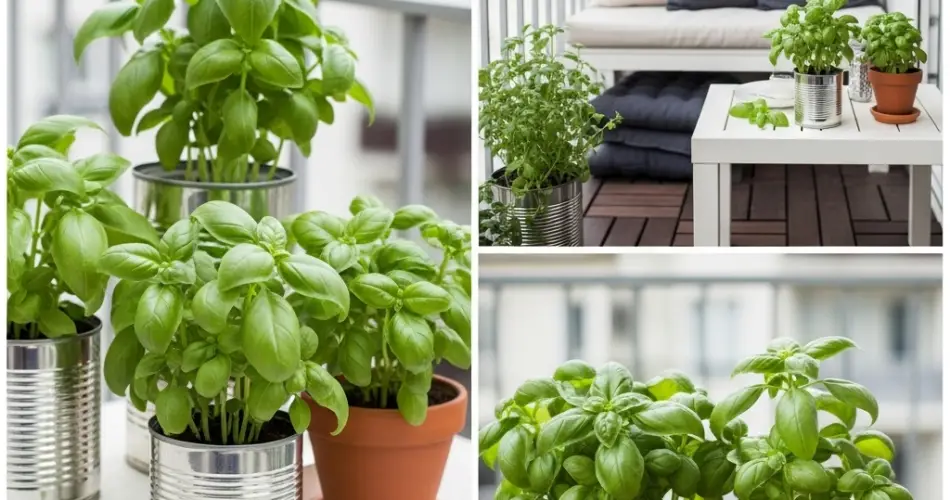
Basil is one of the most beloved herbs in home cooking. Whether you’re preparing Italian pasta, Thai curry, or a fresh salad, few flavors are as universally loved. But the best part? You don’t need a large garden or professional setup to grow basil. With the right approach, you can grow lush, fragrant basil even in the smallest of spaces—on a windowsill, balcony, or kitchen counter.
Here’s how to grow basil like a pro, even if you’re short on space.
Why Basil Is Perfect for Small-Space Gardening
Basil is ideal for small-space gardening for several reasons:
-
Compact size: Basil thrives in small pots or containers.
-
Fast growth: Under the right conditions, basil grows quickly, producing fresh leaves in a matter of weeks.
-
Continuous harvest: You can harvest basil leaves regularly, and the plant will keep producing more.
-
Indoor-friendly: Basil can be grown indoors year-round with enough light.
Whether you live in an apartment or just want to grow herbs on a windowsill, basil is a fantastic place to start.
Choosing the Right Basil Variety
There are many types of basil, and choosing the right one depends on your preferences:
-
Genovese basil: The classic variety used in pesto, with large, sweet leaves.
-
Thai basil: Spicier and stronger in flavor, perfect for Asian dishes.
-
Lemon basil: A citrusy twist that adds brightness to teas and salads.
-
Purple basil: Ornamental and flavorful, great for garnishing.
All these varieties grow well in containers and can adapt to indoor environments.
What You’ll Need
To grow basil in small spaces, gather these supplies:
-
Basil seeds or seedlings
-
Small pots or containers (minimum 6 inches deep with drainage holes)
-
High-quality potting mix (lightweight and well-draining)
-
Tray or saucer (to protect surfaces indoors)
-
Access to sunlight or grow lights
-
Watering can or spray bottle
If you’re growing indoors, a sunny windowsill with at least 6 hours of light is ideal. Alternatively, a small LED grow light will do the job.
Planting Basil
You can start basil from seeds or buy young seedlings from a garden center.
Starting from seed:
-
Fill your pot with moistened potting mix.
-
Sprinkle a few seeds over the surface and lightly cover with 1/4 inch of soil.
-
Mist the surface gently with water.
-
Place the pot in a warm area (around 70°F or 21°C) with light.
Seeds should germinate in 5–10 days. Once seedlings are about 2 inches tall, thin them out to keep only the strongest one or two per pot.
Using seedlings:
-
Fill your pot with potting mix.
-
Carefully transplant the seedling, ensuring the roots are covered and firmed in place.
-
Water gently and place the pot in a sunny location.
Sunlight and Watering
Basil thrives in 6–8 hours of sunlight per day. Indoors, place it on a south-facing windowsill or under a grow light. Outdoors, make sure the plant gets enough morning or afternoon sun, but avoid scorching midday rays in summer.
Watering tips:
-
Keep the soil consistently moist but never soggy.
-
Water when the top inch of soil feels dry.
-
Use pots with good drainage to prevent root rot.
Basil also loves humidity—mist the leaves occasionally if your indoor air is dry.
Feeding and Pruning
Feed your basil with a diluted liquid fertilizer every 2–3 weeks, especially during its peak growing season. Avoid over-fertilizing, which can cause the leaves to lose flavor.
Pruning is the key to growing basil like a professional:
-
Begin pinching off the top sets of leaves when the plant reaches 6 inches tall.
-
Always prune just above a leaf pair (node) to encourage bushier growth.
-
Never let the plant flower—pinch off any flower buds immediately. Once basil flowers, it stops focusing on leaf production.
Regular pruning will result in a bushy, abundant plant with plenty of flavorful leaves.
Harvesting Your Basil
You can begin harvesting basil when the plant has 4–6 sets of leaves. Follow these tips for the best harvest:
-
Use clean scissors or pinch with your fingers.
-
Always harvest from the top to encourage branching.
-
Never take more than one-third of the plant at a time to keep it healthy.
Freshly harvested basil is best used immediately, but you can also store it:
-
Short-term: Keep stems in a glass of water on the counter.
-
Long-term: Dry or freeze the leaves for use later.
Common Issues and Solutions
Even in small spaces, basil can face challenges. Here are quick fixes:
-
Leggy plants: Not enough light. Move to a sunnier spot or use a grow light.
-
Yellow leaves: Overwatering or poor drainage. Let soil dry slightly between waterings.
-
Pests: Aphids and spider mites can show up. Spray with a mild soap solution or neem oil.
Final Thoughts
Growing basil in small spaces is easier than you might think. With a sunny spot, a small pot, and a little care, you can grow fragrant, healthy basil just like a seasoned gardener. Whether you’re clipping fresh leaves for pasta or simply enjoying the scent in your kitchen, basil is one of the most rewarding herbs to grow at home.
Once you master basil, you might be inspired to try mint, parsley, or even thyme next. Small-space gardening is a great way to bring flavor, freshness, and greenery into your everyday life.


