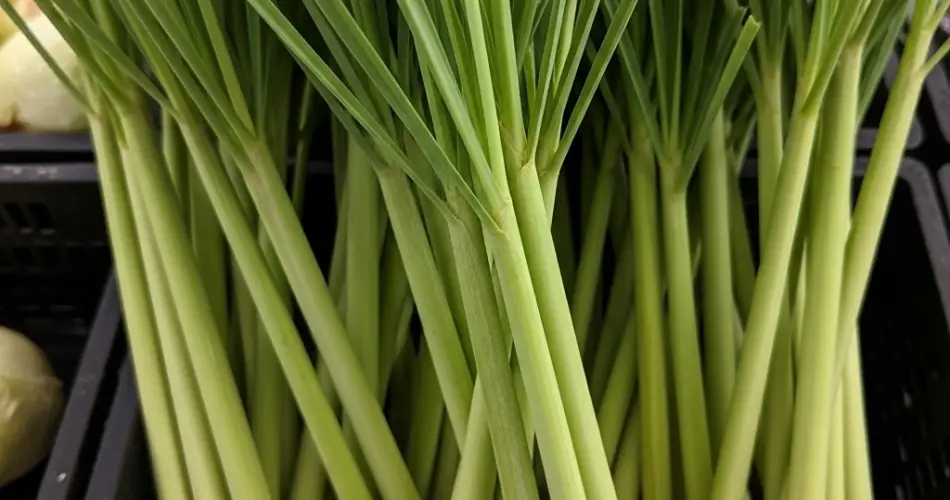
Lemongrass is a fragrant and versatile herb used in many Asian cuisines, herbal teas, and natural remedies. Fortunately, you don’t need to buy seeds or visit a nursery to grow it. With just a few healthy stalks from the grocery store, you can cultivate your own thriving lemongrass plant at home. This guide will walk you through the steps to grow lemongrass successfully from store-bought stalks, right from your kitchen or garden.
1. Selecting the Right Stalks
To get started, head to your local grocery store or Asian market and look for fresh lemongrass stalks in the produce section. Choose stalks that are firm, pale at the base, and still have the root end intact. Avoid dried-out or limp stalks, as they are unlikely to sprout.
You’ll need at least 2–3 stalks to ensure a better chance of success, although one healthy stalk is enough to grow a plant.
2. Preparing for Rooting
Once you have your stalks, trim about an inch from the top to focus the plant’s energy on root development. Don’t remove the bulb or base. Peel off any dry outer leaves, then place the stalks in a glass or jar with about 1–2 inches of water.
Position the container on a sunny windowsill or a well-lit spot. Change the water every two days to prevent bacterial growth and promote healthy root formation.
3. Waiting for Roots to Develop
Within a week, you should notice small white roots beginning to emerge from the base of the stalks. In some cases, it may take up to two weeks depending on conditions like warmth and light. Wait until the roots are at least 1–2 inches long before transplanting.
You may also notice new green shoots growing from the top of the stalk—this is a great sign that your lemongrass is ready for the next step.
4. Transplanting into Soil
Once the roots are established, prepare a pot or container with good drainage. Lemongrass prefers a loamy, well-draining soil. A mix of potting soil and compost works well. Choose a container that is at least 10–12 inches deep to give the roots room to expand.
Plant each stalk about 2 inches deep in the soil and gently pat down to keep it upright. Water thoroughly after planting and place the pot in a location that receives at least 6 hours of sunlight a day—ideally a sunny patio, balcony, or windowsill.
5. Caring for Your Lemongrass Plant
Lemongrass thrives in warm, humid conditions. Keep the soil consistently moist but not soggy. During hot weather, daily watering may be necessary, especially if the plant is in a container. In cooler months, reduce watering slightly to avoid root rot.
Every few weeks, feed the plant with a balanced liquid fertilizer or a diluted fish emulsion to encourage healthy growth. Remove any dead or yellowing leaves regularly to keep the plant neat and healthy.
As the plant grows, you may notice it forming a clump with multiple stalks. You can divide these clumps and repot them to expand your lemongrass supply.
6. Harvesting Lemongrass
Lemongrass is usually ready to harvest about 3–4 months after planting, once the stalks are about 12–18 inches tall and the base is thick and bulbous. To harvest, simply cut or twist off a stalk at the base near the soil. Use the lower white portion for cooking, and reserve the greener leaves for teas, broths, or as mulch.
Harvest sparingly to avoid stressing the plant, and allow new stalks time to mature.
7. Overwintering and Long-Term Care
In tropical and subtropical regions, lemongrass can grow year-round. However, in colder climates, bring potted lemongrass indoors before the first frost. Place it near a bright window and reduce watering slightly during winter dormancy.
If your plant becomes too large, divide the clump and replant into separate containers or garden beds during spring.
Final Thoughts
Growing lemongrass from grocery store stalks is a simple and rewarding way to add a fresh, aromatic herb to your kitchen garden. With just water, sunlight, and a little care, you can transform an ordinary stalk into a lush, productive plant. Whether you’re a beginner or experienced gardener, lemongrass is one herb worth adding to your indoor or outdoor space.


