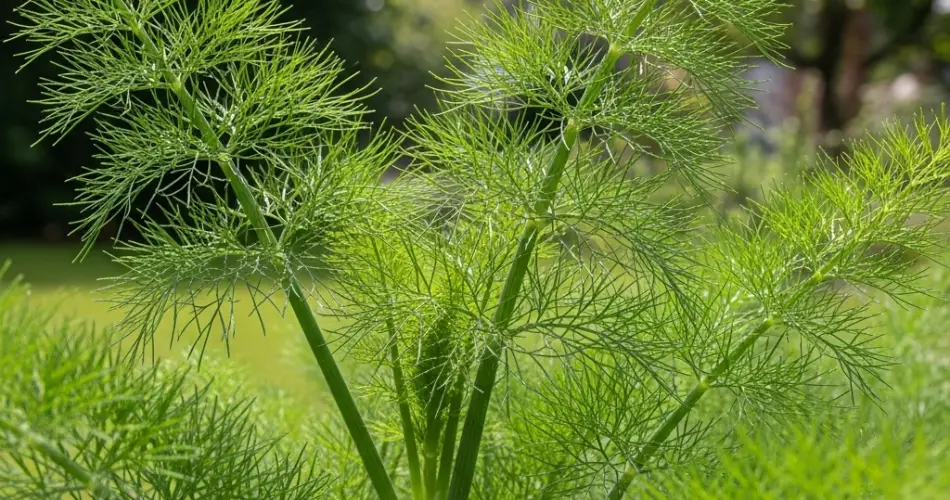
Fennel is a versatile and flavorful plant that offers more than just one harvest. Both its feathery fronds (leaves) and crisp, bulbous base are edible and packed with a mild, anise-like flavor. Fennel can be grown in the garden or in containers, and with the right care, you can enjoy both the leafy tops and the swollen bulbs from a single plant. Here’s how to grow fennel for a dual-purpose harvest.
Understanding the Two Main Types of Fennel
There are two types of fennel commonly grown in the garden:
-
Herb fennel (Foeniculum vulgare): Also known as common or sweet fennel, this variety is grown primarily for its fronds and seeds.
-
Florence fennel (Foeniculum vulgare var. azoricum): This is the bulb-forming type often used in cooking. It’s also referred to as finocchio.
If your goal is to harvest both leaves and bulbs, choose Florence fennel, as it produces edible fronds and the swollen white base prized in culinary dishes.
Choose the Right Growing Location
Fennel prefers a sunny location with well-drained, fertile soil. Aim for a spot that receives at least 6 hours of full sun daily. The soil should be rich in organic matter, loose, and slightly acidic to neutral (pH 6.0–7.0).
If you’re growing in containers, select a deep pot at least 12 inches deep and wide, as fennel develops a long taproot and needs space for bulb formation.
Planting Fennel
Sow seeds directly into the ground or container, as fennel doesn’t transplant well due to its deep taproot. Plant seeds 1/4 inch deep and about 12 inches apart. You can thin seedlings to the strongest plants after they sprout.
Fennel is a cool-weather crop and grows best when planted in early spring or late summer. Avoid growing fennel in the middle of summer in hot climates, as this can cause the plant to bolt (go to seed) before forming a proper bulb.
Watering and Feeding
Fennel requires consistent moisture to develop full, juicy bulbs and tender leaves. Water regularly, keeping the soil evenly moist but not waterlogged. Deep watering encourages strong root development.
To support healthy growth, feed fennel with a balanced fertilizer once or twice during the growing season. Alternatively, enrich the soil with compost or well-rotted manure before planting.
Encouraging Bulb Formation
As the plant matures, the base of Florence fennel begins to swell. To encourage a tender, sweet bulb, mound a small amount of soil or mulch around the base as it enlarges—this technique is called blanching and helps protect the bulb from sunlight, which can make it tough and bitter.
Continue to water consistently during this stage, and avoid disturbing the roots.
Harvesting Fronds and Bulbs
You can start harvesting fennel fronds when the plant is still young. Use scissors to snip off the delicate, fern-like leaves as needed. These can be used as a fresh herb to garnish fish, salads, soups, and more.
Allow the plant to continue growing until the bulb reaches the size of a tennis ball or larger—typically about 90 days after sowing. Use a sharp knife or garden shears to cut the bulb just above the soil line.
If you want to maximize both leaf and bulb harvests, take fronds sparingly so the plant still has enough foliage to support bulb growth.
Dealing with Bolting
Fennel is prone to bolting in hot weather or when under stress. Once the plant bolts, it produces flowers and seeds, and bulb growth stops. To delay bolting:
-
Sow seeds at the right time (cooler seasons).
-
Keep the soil moist.
-
Avoid disturbing the plant’s roots.
If bolting occurs, you can still use the flowers and seeds. Fennel seeds are aromatic and useful in spice blends, teas, and pickling.
Pest and Disease Management
Fennel is relatively pest-resistant, but aphids and whiteflies can occasionally appear. Spray them off with a strong stream of water or use insecticidal soap if necessary.
Avoid planting fennel near dill, carrots, or coriander, as it can cross-pollinate or stunt the growth of neighboring plants due to chemical compounds released by its roots.
Conclusion
Fennel is a rewarding herb and vegetable to grow, offering multiple harvests from a single plant. With the right timing, regular care, and a sunny spot in your garden or balcony, you can enjoy both fragrant fronds and tender bulbs. Whether sliced into a salad, roasted with olive oil, or used to flavor broth, fennel brings a unique and delicious flavor to your homegrown meals.


