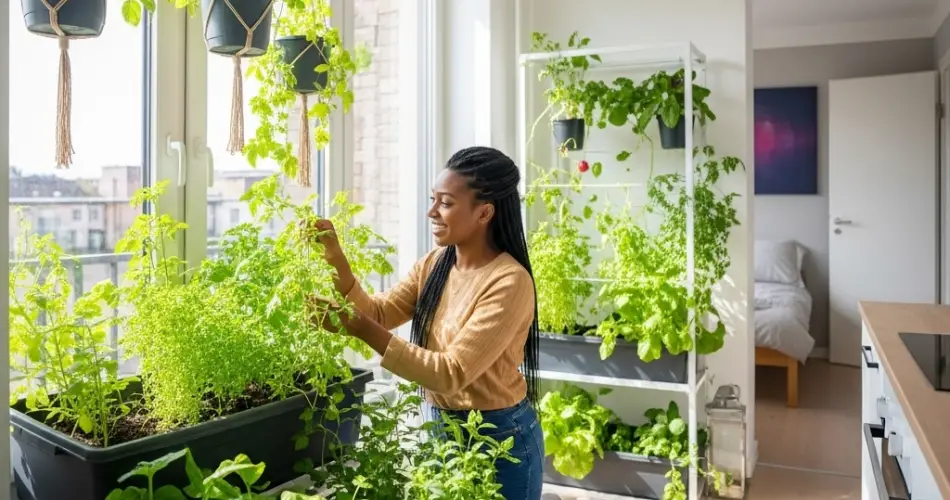
Growing leafy greens in your kitchen is a convenient and rewarding way to ensure a fresh supply of healthy, nutrient-rich vegetables year-round. Whether you enjoy adding spinach to your smoothies, tossing fresh lettuce into salads, or garnishing dishes with arugula or kale, cultivating greens indoors is easier than you might think. With just a little space, proper lighting, and the right techniques, your kitchen can become a thriving mini garden.
Here’s how to get started with growing leafy greens right in your own kitchen.
Why Grow Leafy Greens Indoors?
Leafy greens are some of the most productive and low-maintenance vegetables to grow at home. Here are a few reasons why kitchen gardening makes sense:
-
Convenience: Harvest fresh greens whenever you need them—no store trips required.
-
Space-saving: Indoor growing requires minimal space, ideal for small apartments or homes.
-
Pesticide-free: You control the growing environment, eliminating the need for harmful chemicals.
-
Cost-effective: Grow multiple harvests from a single planting at a fraction of the cost of store-bought greens.
Best Leafy Greens to Grow Indoors
Many leafy vegetables grow well in containers and limited light. Popular choices include:
-
Lettuce (butterhead, romaine, loose-leaf)
-
Spinach
-
Arugula
-
Kale
-
Swiss chard
-
Mustard greens
-
Microgreens (young shoots of leafy plants, harvested early)
Choose varieties that are compact and fast-growing, especially if your kitchen doesn’t receive full sunlight.
Step 1: Choose the Right Containers
You don’t need fancy planters to grow greens. Use any container that is at least 4–6 inches deep, with drainage holes at the bottom. Good options include:
-
Recycled food containers
-
Small window boxes
-
Shallow plastic trays
-
Pots or planters made of clay, plastic, or ceramic
Make sure to place a tray or saucer under the container to catch excess water.
Step 2: Use Quality Potting Mix
Leafy greens thrive in loose, well-draining, nutrient-rich soil. Avoid using garden soil, which is often too dense for container growing. Use a potting mix formulated for vegetables or indoor plants, ideally one that contains compost, coconut coir or peat moss, and perlite or vermiculite for aeration.
If you’d like to enhance the mix, add a small amount of worm castings or a balanced organic fertilizer before planting.
Step 3: Provide Adequate Light
Sunlight is one of the most critical elements for successful indoor gardening. Leafy greens require at least 4–6 hours of bright, indirect light daily. For best results:
-
Place containers near a south- or west-facing window.
-
If natural light is limited, use grow lights—LED or fluorescent lights specifically designed for plant growth.
-
Position grow lights about 6–12 inches above the plants, and leave them on for 12–14 hours per day.
Rotate containers regularly to ensure even light exposure and balanced growth.
Step 4: Planting Your Greens
You can start leafy greens from seeds or seedlings.
-
From Seeds: Sow seeds ¼ inch deep in moist soil. Keep the soil consistently damp until germination (usually within 5–10 days).
-
From Seedlings: Transplant into containers with adequate spacing (2–4 inches between plants) to allow room for growth.
Some leafy greens, like arugula or baby lettuce, can be grown densely and harvested young for a continuous supply.
Step 5: Watering and Care
Indoor plants are less exposed to environmental stress but still require regular care:
-
Water regularly, keeping the soil moist but not soggy. Water when the top inch of soil feels dry.
-
Mist occasionally to increase humidity, especially during dry seasons.
-
Fertilize lightly every 2–3 weeks with a balanced liquid fertilizer, or use compost tea for a natural boost.
-
Keep an eye out for common pests like aphids or fungus gnats. Neem oil or insecticidal soap can help if needed.
Step 6: Harvesting Your Greens
Leafy greens are often ready to harvest in 3–6 weeks, depending on the variety. Use the “cut and come again” method:
-
Snip outer leaves with scissors, leaving the center to continue growing.
-
Avoid removing more than one-third of the plant at once to encourage regrowth.
-
For microgreens, harvest the entire plant when they reach 2–3 inches tall.
This method allows for multiple harvests from a single planting, maximizing yield in a small space.
Helpful Tips for Success
-
Stagger your planting every 1–2 weeks for a steady supply of greens.
-
Keep your kitchen garden clean and free of dead leaves to avoid mold or pests.
-
If plants become leggy, they’re likely not getting enough light—move them closer to a light source.
Final Thoughts
Growing leafy greens in your kitchen is an easy and satisfying way to enjoy homegrown produce, even if you don’t have a backyard. With just a few containers, quality soil, and proper lighting, you can create a thriving indoor garden that supplies fresh, flavorful greens all year long. It’s a healthy habit, a sustainable choice, and a great way to stay connected to nature—right from your countertop.


