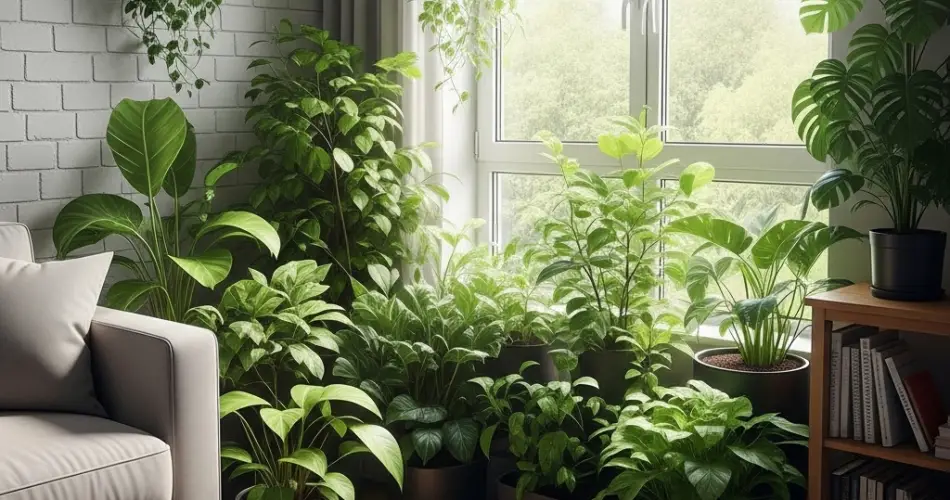
Growing vegetables indoors in an apartment is entirely possible—with the right lighting. While natural sunlight is always best, not every living space has large, sun-filled windows. Fortunately, with the proper understanding of plant needs and modern lighting options, you can successfully grow herbs, leafy greens, and even some fruiting vegetables right inside your home.
Whether you’re dealing with limited sunlight or trying to grow year-round, this guide will help you choose the best lighting setup to support healthy, productive indoor vegetable growth.
Why Lighting Matters
Plants rely on light for photosynthesis, the process by which they convert light into energy to grow, bloom, and produce fruit. Outdoors, sunlight offers the full spectrum of light plants need. Indoors, however, light is often insufficient, especially in apartments with few windows or limited daylight.
Vegetables grown indoors without enough light may become leggy, pale, and weak, often producing little or no harvest. Supplemental lighting solves this issue by mimicking sunlight and providing the energy your indoor vegetables require.
Know Your Vegetables’ Light Requirements
Different vegetables have different light needs. Understanding these requirements helps you choose the right lighting intensity and duration.
-
High-light vegetables: Tomatoes, peppers, cucumbers, and eggplants need at least 12–16 hours of strong light per day.
-
Medium-light vegetables: Carrots, radishes, and beets can grow with 10–12 hours of moderate light daily.
-
Low-light vegetables: Leafy greens like spinach, lettuce, kale, and most herbs thrive with 8–10 hours of light and can tolerate lower light levels.
For best results, group plants with similar light needs together under the same lighting setup.
Natural Light: Make the Most of Your Windows
If you have windows that get direct sunlight, use them to your advantage:
-
South-facing windows receive the most light and are ideal for most vegetables.
-
East- and west-facing windows provide moderate sunlight, best for herbs and leafy greens.
-
North-facing windows offer the least light and often require supplemental lighting for successful vegetable growth.
Use reflective surfaces like white walls, mirrors, or aluminum foil to bounce light back toward the plants and increase exposure.
Supplemental Grow Lights
If your apartment lacks adequate natural light, grow lights are the next best option. They’re designed to emit the specific light spectrum that plants need for photosynthesis. Here’s what to know when choosing a grow light:
1. Types of Grow Lights
-
LED Grow Lights: Energy-efficient, long-lasting, and cool to the touch. Available in full-spectrum versions ideal for all stages of plant growth.
-
Fluorescent Lights (T5 or T8): Affordable and good for leafy greens and herbs. T5 lights are brighter and more compact.
-
High-Intensity Discharge (HID) Lights: Best for serious indoor gardeners. They produce a lot of light and heat, making them ideal for fruiting vegetables but less practical for small apartments.
2. Light Spectrum
-
Blue light supports leafy growth—important during early stages.
-
Red light promotes flowering and fruiting.
-
Full-spectrum lights combine both and mimic natural sunlight, making them suitable for complete vegetable growth indoors.
How to Set Up Indoor Lighting
Position your grow lights correctly for best results:
-
Keep lights 4 to 12 inches above the plants, depending on the type and strength of the light.
-
Adjust the height as plants grow to maintain the optimal distance.
-
Use timers to automate light exposure, ensuring plants receive consistent lighting—typically 12–16 hours a day.
-
Provide some hours of darkness each day to mimic natural conditions. Plants need rest periods just like they would experience outdoors.
Make sure your lights are securely installed and do not overheat your space, especially in smaller apartments.
Choosing the Right Location
Pick a spot in your apartment with good airflow and easy access to water. Kitchen counters, windowsills, bookshelves, or plant stands can all be adapted into indoor garden zones. Just ensure there’s enough room for your lighting equipment and that you protect surfaces from water and dirt.
Place trays or mats under pots to catch excess water, and choose containers with proper drainage to avoid root rot.
Tips for Success
-
Rotate plants regularly under the light to ensure even growth.
-
Clean dust off bulbs and leaves to improve light absorption.
-
Watch for signs of too much or too little light—leggy growth suggests too little; scorched leaves may mean lights are too close.
-
Pair with proper watering and feeding to keep your indoor vegetables healthy and productive.
Final Thoughts
With the right lighting, growing vegetables in an apartment is not only possible but rewarding. Whether you rely on bright windows or invest in efficient grow lights, you can enjoy fresh greens, herbs, and even small fruits all year long. Indoor gardening offers a sustainable, satisfying way to bring nature into your home—one harvest at a time.


