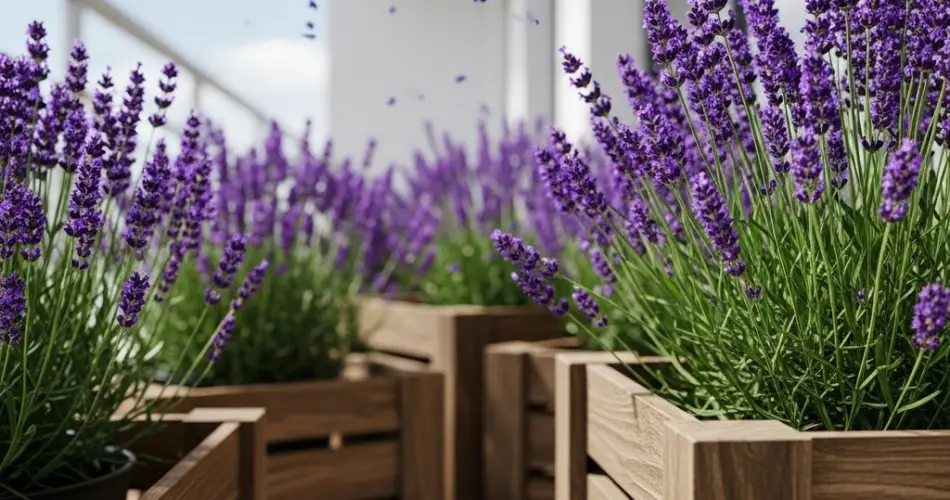
Lavender is one of the most beloved aromatic plants in the world. Its gray-green foliage, delicate purple blooms, and calming scent make it a perfect addition to any home garden. But even if you don’t have a traditional yard, you can still enjoy lavender’s beauty and fragrance on a balcony using wooden crates as containers.
Crate gardening is a space-efficient and stylish solution for small urban areas. Here’s how to successfully grow lavender in crates and transform your balcony into a fragrant retreat.
Why Grow Lavender in Crates?
Wooden crates are ideal for container gardening. They provide good air circulation, are easy to move, and allow for creative garden setups. Lavender thrives in well-drained soil and sunny conditions—both of which can be controlled more easily in a crate.
Plus, crates add a rustic aesthetic that complements the natural charm of lavender. Whether you live in a small apartment or simply want a movable herb garden, crate gardening is a practical and attractive choice.
Choosing the Right Lavender
Before planting, select a lavender variety suited to containers and your local climate. Some popular varieties include:
-
English Lavender (Lavandula angustifolia): Best for cooler climates, with a strong, sweet fragrance.
-
French Lavender (Lavandula dentata): Grows well in warmer areas, with attractive serrated leaves and a mild scent.
-
Spanish Lavender (Lavandula stoechas): Known for its unique “rabbit ear” flower tops, great for ornamental purposes.
Dwarf varieties are ideal for crate gardening, as they stay compact and are less likely to outgrow their container.
Selecting and Preparing the Crate
Choose a sturdy, untreated wooden crate that’s at least 12 inches deep and wide. Repurposed wine or produce crates work well, provided they are clean and free from harmful chemicals.
To prepare the crate:
-
Drill drainage holes if the bottom is solid. Lavender hates soggy roots, so good drainage is essential.
-
Line the interior with landscape fabric or burlap. This keeps the soil in place while allowing excess water to drain out.
-
Fill with well-draining soil. A cactus or succulent potting mix works well, or you can make your own by mixing regular potting soil with sand, gravel, or perlite to improve drainage.
Lavender prefers slightly alkaline soil, so you can add a bit of crushed eggshell or garden lime if needed.
Planting Lavender
You can plant lavender from nursery starts or propagate it from cuttings. Seeds are possible but slow and less reliable.
-
Dig a hole large enough to accommodate the root ball.
-
Gently place the lavender plant in the crate, keeping the crown just above the soil line.
-
Backfill with soil and firm gently.
-
Water thoroughly after planting, but don’t soak the soil.
Plant one lavender plant per crate unless the crate is large enough to space multiple plants at least 12 inches apart.
Sunlight and Positioning
Lavender needs full sun—at least 6 to 8 hours of direct light per day. Place your crate in the sunniest spot on your balcony, such as near a south-facing wall or railing. Make sure taller structures don’t block sunlight, as too much shade can lead to weak growth and fewer blooms.
Watering and Feeding
Lavender is drought-tolerant once established and prefers slightly dry conditions. Water only when the top 1–2 inches of soil are dry. Overwatering is one of the most common mistakes and can lead to root rot.
Avoid using rich composts or heavy fertilizers. Lavender thrives in lean soil. A small dose of slow-release fertilizer in early spring is enough to support growth.
Pruning and Maintenance
Pruning helps keep lavender compact and encourages more blooms. After the first flush of flowers fades, trim the stems back by about one-third. In early spring, prune again to shape the plant and remove woody or dead parts.
Avoid cutting into old wood, as lavender doesn’t regenerate well from it.
Pest and Disease Prevention
Lavender is naturally resistant to most pests due to its aromatic oils. However, in humid conditions, you may encounter fungal issues like root rot or powdery mildew. Good drainage, adequate airflow, and moderate watering will prevent these problems.
Keep the crate elevated slightly from the balcony floor to allow water to escape freely.
Overwintering Lavender
In colder climates, lavender grown in crates needs winter protection. Move the crate to a sheltered area, such as a garage or enclosed balcony, where it stays cool but not freezing. Water sparingly during winter, just enough to prevent the soil from drying out completely.
If your climate is mild, lavender can stay outside year-round with little trouble.
Growing lavender in crates is a simple yet rewarding way to bring beauty and scent to a small balcony. With the right setup and care, you’ll enjoy months of blooming flowers and calming aroma. Whether used in cooking, crafts, or just for decoration, lavender adds timeless charm to any outdoor space.


