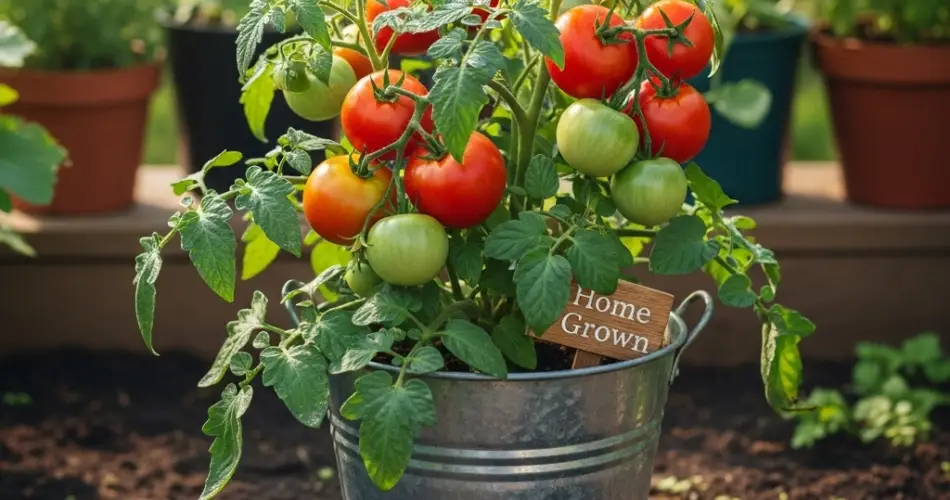
Tomatoes are one of the most popular and rewarding crops to grow at home. Their versatility in cooking, from sauces and salads to soups and juices, makes them a must-have for any gardener. While many think tomato growing requires a large backyard or garden, the truth is that you can successfully grow juicy, flavorful tomatoes in buckets. This method is ideal for those with limited space, such as urban dwellers, apartment residents, or anyone who wants a convenient way to enjoy fresh produce without needing a full garden plot. With proper care and the right setup, bucket gardening can provide a bountiful harvest.
Why Grow Tomatoes in Buckets?
Growing tomatoes in buckets offers a wide range of benefits:
-
Space-efficient: Perfect for small patios, balconies, or compact backyards.
-
Mobility: Buckets can be moved to follow sunlight or brought under cover during storms.
-
Soil control: You get to decide the soil mix, reducing risks of pests and soil-borne diseases.
-
Productivity: A well-managed bucket can produce plenty of tomatoes with minimal space.
This approach is practical, economical, and makes gardening accessible for nearly everyone.
Choosing the Right Bucket
Selecting the correct container is key to healthy tomato growth.
-
Size: Use at least a 5-gallon bucket for one tomato plant. Larger buckets are even better, as tomatoes need room for root development.
-
Drainage: Drill 5–7 holes at the bottom of the bucket to prevent waterlogging.
-
Material: Plastic buckets are durable and retain moisture well, while fabric grow bags offer excellent aeration.
No matter the container, proper drainage and enough soil volume are essential for strong growth.
Selecting the Best Tomato Varieties
Not all tomato plants are equally suited for containers. Choose compact or determinate varieties, which stop growing once they reach a certain height.
-
Best determinate types: Roma, Celebrity, and Bush Early Girl.
-
Cherry and grape tomatoes: Sweet 100 or Tiny Tim thrive in buckets and produce heavily.
-
For experienced growers: Indeterminate varieties like Beefsteak can be grown in buckets but will need taller supports.
Selecting the right variety ensures you get the maximum harvest for your space.
Preparing the Soil
Tomatoes love rich, well-draining soil. A proper soil mix helps prevent root diseases and encourages strong growth.
-
Soil mix: Use a blend of potting soil, compost, and perlite or sand for aeration.
-
Nutrients: Tomatoes are heavy feeders. Mix in slow-release fertilizer or organic compost before planting.
-
pH level: Aim for slightly acidic soil, between 6.0–6.8.
This mix provides balanced nutrition and good drainage, two key requirements for juicy tomatoes.
Planting Tomatoes in Buckets: Step-by-Step
-
Fill the bucket: Add about 5–6 inches of prepared soil at the bottom.
-
Plant deeply: Place the tomato seedling so that at least one-third of its stem is buried. Tomatoes can grow roots along their stems, leading to stronger plants.
-
Backfill with soil: Cover the plant with more soil, gently pressing around the base.
-
Water well: After planting, give the soil a deep watering to help roots settle.
-
Add support: Place a tomato cage, trellis, or stake into the bucket immediately to avoid damaging roots later.
Planting deeply and providing support early are two of the most important steps in successful bucket gardening.
Watering and Feeding
Tomatoes need consistent water and nutrition to produce juicy fruit.
-
Watering: Check soil moisture daily. Buckets dry out faster than ground soil, so water whenever the top inch feels dry. Early morning watering is best.
-
Feeding: Use a balanced fertilizer every 2–3 weeks. Switch to a fertilizer higher in potassium and phosphorus once flowering begins to encourage fruit development.
-
Mulching: Add a thin layer of straw or compost on top to retain moisture and regulate soil temperature.
Consistent watering is crucial. Irregular watering can cause problems like blossom end rot and fruit cracking.
Sunlight and Temperature Needs
Tomatoes thrive in warm, sunny conditions.
-
Light: Place buckets in a spot that receives at least 6–8 hours of direct sunlight daily.
-
Temperature: Tomatoes prefer daytime temperatures of 70–85°F (21–29°C). Protect them from prolonged cold or extreme heat.
If you live in a cooler climate, buckets can be moved indoors or against a sunny wall for extra warmth.
Common Problems and Solutions
-
Blossom end rot: Caused by calcium deficiency or irregular watering. Keep soil consistently moist and use calcium-rich fertilizer if needed.
-
Pests: Aphids, whiteflies, and tomato hornworms may appear. Handpick pests or use organic sprays like neem oil.
-
Yellow leaves: Often a sign of nutrient deficiency or overwatering. Adjust feeding and watering schedules accordingly.
Monitoring your plants regularly helps prevent small issues from becoming major problems.
Harvesting Juicy Tomatoes
Tomatoes are ready to harvest when they reach full color and feel slightly soft to the touch.
-
Pick often: Regular harvesting encourages more fruit production.
-
Vine-ripened flavor: Allow tomatoes to ripen fully on the vine for the best taste.
-
Storage: Keep freshly harvested tomatoes at room temperature. Refrigeration can reduce flavor.
With proper care, a single bucket-grown plant can produce dozens of tomatoes throughout the season.
Conclusion
Growing tomatoes in buckets is an accessible and rewarding way to enjoy fresh produce at home, even with limited space. With the right container, soil preparation, proper care, and steady attention to water and sunlight, you can harvest juicy, flavorful tomatoes right from your balcony, patio, or small backyard. Whether you’re a beginner gardener or an experienced grower, bucket tomato gardening is a simple, practical, and productive method that delivers delicious results all season long.


