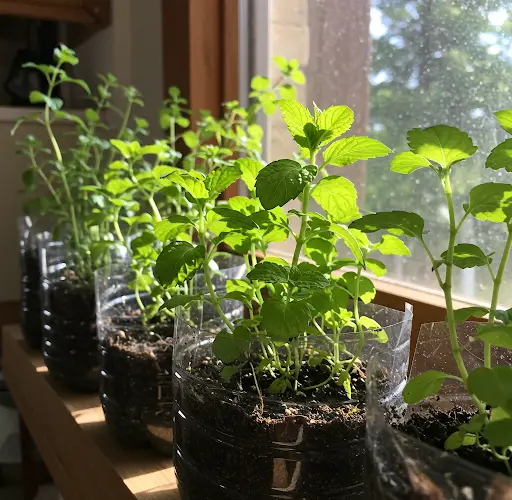
How to Grow Herbs (Elsholtzia cristata) Using Plastic Bottles
Looking to grow fragrant herbs in a compact, eco-friendly way? Try cultivating Elsholtzia cristata, also known as Korean mint or crested late summer mint, using recycled plastic bottles. This aromatic herb is not only beautiful with its spiked purple blooms, but it’s also a pollinator magnet and has traditional medicinal and culinary uses in parts of Asia.
Even if you have limited space, this clever plastic bottle method allows you to grow herbs easily on a balcony, rooftop, or windowsill. By reusing plastic bottles, you’re also cutting down on waste — making your herb garden both sustainable and practical.
What Is Elsholtzia cristata?
Elsholtzia cristata is a fast-growing annual herb from the mint family. It typically reaches 1 to 2 feet tall and produces violet or lavender flowers in late summer to early autumn. The plant is known for its aromatic leaves, which can be used for tea or herbal remedies. It’s also highly ornamental, making it an attractive addition to any small garden or vertical green wall.
Why Use Plastic Bottles?
Recycled plastic bottles are a versatile and affordable alternative to traditional pots. They’re ideal for vertical gardening, can be modified for better drainage and airflow, and help reduce single-use plastic waste. This method is perfect for urban gardeners or anyone working with a small space.
Materials You’ll Need
-
1.5L or 2L plastic bottles (transparent or green)
-
Elsholtzia cristata seeds or seedlings
-
A sharp knife or scissors
-
Heated nail or screwdriver (for drainage holes)
-
Potting soil (well-draining mix)
-
Compost or organic fertilizer
-
String or wire (for hanging, if desired)
-
Watering can or spray bottle
Step-by-Step Guide to Growing Elsholtzia cristata in Bottles
1. Prepare the Bottles
Start by thoroughly washing your plastic bottles and removing any labels. You can cut them in two different styles:
-
Horizontal planter: Cut out a large rectangular section along the side of the bottle to create a planting pocket. Leave the ends and bottom intact.
-
Vertical planter: Cut off the top third of the bottle and invert the top to create a funnel-like planter inside the base, or use the bottom part as a mini pot.
In both methods, make small holes at the bottom (and sides if vertical) for drainage using a heated nail or screwdriver.
2. Create the Growing Medium
Elsholtzia cristata prefers light, well-draining soil. A good mix includes:
-
50% potting soil
-
30% compost or organic fertilizer
-
20% sand or perlite for drainage
Fill your bottles with the soil mix, leaving about an inch of space at the top to prevent overflow during watering.
3. Sow Seeds or Transplant Seedlings
Sprinkle a few seeds on the soil surface and lightly press them in. Cover with a thin layer of soil (about 1/4 inch deep). If you’re transplanting seedlings, gently insert them into the soil and firm the soil around the base.
Water lightly to settle the soil.
4. Choose the Right Location
Place your bottles in a location that receives at least 6 hours of sunlight per day. A sunny windowsill, balcony rail, or hung from a wall are all excellent options. The transparent bottle walls also act like a mini greenhouse, helping with seed germination and early growth.
If using a hanging setup, make sure the support is secure, especially once the bottle is filled with soil and water.
Ongoing Care
Watering
Keep the soil moist but not waterlogged. Plastic bottles can heat up quickly in the sun, so you may need to water more frequently during hot days. Use a spray bottle to avoid disturbing young seedlings.
Feeding
Feed your herbs every 2–3 weeks with a diluted organic liquid fertilizer or compost tea to encourage lush foliage and flowering.
Pruning
Regularly pinch back the growing tips to encourage bushier growth and prevent the plant from becoming leggy. You can also harvest leaves for tea or herbal use once the plant reaches a few inches tall.
Pest and Disease Tips
Elsholtzia cristata is relatively pest-resistant, especially when grown in containers. However, keep an eye out for aphids or whiteflies. A simple neem oil spray or homemade garlic-soap solution can keep pests under control.
Good air circulation is important — don’t crowd the plants and avoid overwatering to prevent fungal issues.
Harvesting and Use
You can begin harvesting young leaves once the plant reaches about 6 inches tall. For the best flavor and aroma, pick leaves in the morning after the dew dries. The leaves can be used fresh or dried for tea, or even added to potpourri mixes.
The flowers attract bees and butterflies, making this herb ideal for pollinator-friendly gardens.
Final Thoughts
Growing Elsholtzia cristata in plastic bottles is a simple, rewarding way to enjoy fresh herbs while recycling materials and saving space. This low-maintenance plant provides not only beauty and fragrance, but also culinary and medicinal benefits. Whether you hang your bottles on a fence, line them along a windowsill, or build a vertical herb wall, this method offers an affordable and space-saving solution for home gardeners.
Start with a few bottles — and soon you’ll have a thriving, eco-conscious herb garden at your fingertips.


