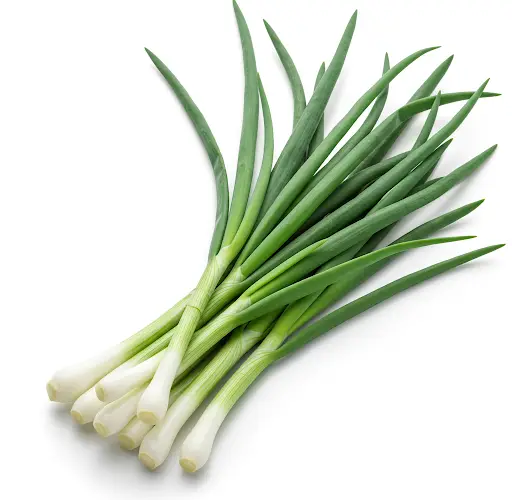
How to Grow Green Onions Easily at Home
Green onions, also known as scallions or spring onions, are one of the most versatile and easy-to-grow vegetables. Whether you’re working with a full garden, a small balcony, or even a windowsill, growing green onions at home is simple, rewarding, and requires very little space. They add a crisp, mildly spicy flavor to many dishes and are packed with nutrients like vitamins A, C, and K.
This guide will show you how to grow green onions from seeds, scraps, or starter plants, so you can have a fresh supply year-round—no matter your experience level.
Why Grow Green Onions at Home?
-
Low maintenance: They grow quickly and don’t need much care.
-
Regrow from kitchen scraps: Green onions can regrow from their roots multiple times.
-
Great for small spaces: You can grow them in pots, plastic bottles, or even a jar of water.
-
Fast harvest: In just a few weeks, you’ll be cutting fresh greens for your meals.
-
Pest resistant: Green onions naturally repel some common garden pests.
What You’ll Need
Depending on how you choose to grow your green onions, you’ll need some or all of the following:
-
Green onion seeds or leftover root ends from store-bought green onions
-
Potting mix or garden soil
-
A pot, container, recycled bottle, or garden bed
-
Organic compost or slow-release fertilizer
-
A sunny spot (windowsill, balcony, or outdoor area)
Option 1: Growing Green Onions from Seeds
Step 1: Choose a Container or Garden Bed
Green onions don’t need deep soil. Choose a shallow pot (at least 6 inches deep) or a small section of a raised bed. Make sure your container has drainage holes.
Step 2: Prepare the Soil
Use well-draining soil mixed with compost. Green onions thrive in fertile, loose soil. A neutral to slightly acidic pH (6.0–7.0) is ideal.
Step 3: Plant the Seeds
-
Scatter the seeds evenly across the soil surface.
-
Cover with a thin layer (about ¼ inch) of soil.
-
Water gently to moisten the surface.
Seeds typically germinate in 7–10 days, depending on temperature.
Step 4: Provide Sunlight
Place your container in a location that gets at least 6 hours of sunlight daily. If growing indoors, a sunny windowsill works well.
Step 5: Watering
Keep the soil consistently moist but not soggy. Water lightly once the top inch of soil begins to dry.
Step 6: Fertilizing
Feed with a diluted liquid fertilizer or compost tea every 2–3 weeks to encourage healthy, green growth.
Option 2: Regrowing from Kitchen Scraps
This is one of the easiest ways to grow green onions, and it doesn’t even require soil at first!
Step 1: Save the Roots
After using the green tops in cooking, keep the white root ends (around 2–3 inches long).
Step 2: Place in Water
Put the root ends in a small jar or glass with enough water to cover the roots (but not the tops).
Step 3: Provide Light
Place the jar near a sunny window. You’ll start to see new green growth within 3–5 days.
Step 4: Transfer to Soil (Optional)
Once the roots grow longer and green shoots reach a few inches, you can transplant them into soil for stronger growth. Bury the roots with just the green tops exposed.
Option 3: Growing in Plastic Bottles or Containers
Green onions are perfect for container gardening, especially when using recycled materials.
-
Cut a large plastic bottle and add drainage holes.
-
Fill with potting mix and compost.
-
Plant seeds or root ends as described above.
-
Water and place in full sunlight.
This is a great space-saving method for balconies or apartment living.
Caring for Your Green Onion Plants
Sunlight
6–8 hours of sun is best. Without enough light, the leaves may grow thin and pale.
Water
Consistent moisture is key. Avoid waterlogged soil, which can lead to root rot.
Pests
Green onions are usually pest-resistant but may occasionally attract aphids or thrips. Spray with neem oil or rinse with water if pests appear.
Harvesting
You can begin harvesting in 3–4 weeks when the greens reach 6–8 inches tall. Use scissors to snip the leaves just above the white base, and they’ll regrow in about a week. With proper care, you can enjoy several harvests from the same plants.
Tips for Maximum Yield
-
Succession Planting: Sow a new batch of seeds every 2–3 weeks for a continuous supply.
-
Companion Planting: Green onions grow well with carrots, beets, and lettuce. Their scent can help deter pests from nearby plants.
-
Mulching: Apply a thin layer of mulch to keep the soil moist and reduce weeds.
-
Don’t overcrowd: Thin out seedlings if they become too dense to allow space for healthy growth.
Conclusion
Green onions are a fantastic crop for beginners and experienced gardeners alike. Whether you’re growing them in soil, in water, or in containers, they’re quick to grow, easy to maintain, and incredibly useful in the kitchen. With just a bit of sunlight, water, and care, you’ll have a thriving green onion garden that keeps giving back.
Now is the perfect time to try growing your own green onions—start with scraps from your kitchen or pick up a packet of seeds, and enjoy a fresh, flavorful harvest right at home.


