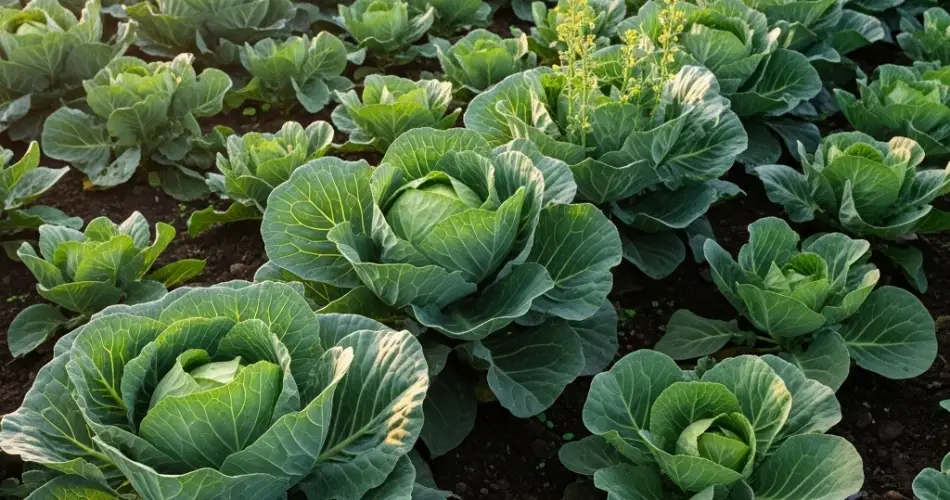
Growing giant cabbage may seem like a challenge, especially if you’re working with limited space. However, with proper techniques and a bit of dedication, even small gardens can yield impressively large cabbage heads. Whether you’re gardening in raised beds, containers, or compact plots, the key lies in choosing the right variety, preparing nutrient-rich soil, and providing consistent care throughout the season.
Choose the Right Variety
Start by selecting a cabbage variety known for producing large heads. Some popular varieties for giant cabbages include ‘Brunswick’, ‘Flat Dutch’, and ‘Megaton’. These types naturally grow larger and are well-suited for gardeners aiming to produce oversized crops. When buying seeds, check the description for phrases like “large heads” or “giant variety” to ensure you’re starting with the right genetics.
Prepare Nutrient-Rich Soil
Cabbage is a heavy feeder, meaning it requires a lot of nutrients to thrive, especially when you’re aiming for maximum size. Before planting, enrich your soil with compost or well-rotted manure. The soil should be loose, well-draining, and rich in organic matter. A slightly acidic to neutral pH (around 6.5 to 7.0) is ideal.
If you’re gardening in containers or raised beds, use a high-quality vegetable-growing mix and add organic amendments like bone meal or fish emulsion. These will provide the phosphorus and nitrogen needed for robust leaf development and root strength.
Proper Spacing is Essential
Even in small gardens, it’s important not to crowd your cabbage plants. Each plant needs enough room to develop a full head. Allow at least 18 to 24 inches between each plant. This spacing prevents competition for nutrients and light, while also improving air circulation to reduce disease risks.
If you’re limited on horizontal space, consider a vertical gardening setup or staggered planting to make the most of your area without sacrificing spacing.
Water Consistently
Cabbage plants require consistent watering to grow large and healthy. Inconsistent moisture can lead to stunted growth or splitting heads. Aim to keep the soil evenly moist but not soggy. Deep watering once or twice a week is better than frequent light watering, as it encourages deeper root growth.
Mulching around the base of the plant helps retain moisture, suppress weeds, and regulate soil temperature—especially helpful in warmer climates or during dry periods.
Fertilize Regularly
To achieve giant cabbage growth, supplemental feeding is a must. Use a balanced organic fertilizer every 2–3 weeks during the growing season. You can also apply compost tea or seaweed extract as foliar sprays to provide additional micronutrients.
As the cabbage matures, switch to a fertilizer with more potassium and phosphorus to support head formation rather than leafy growth. Avoid overfeeding with nitrogen at this stage, as it can lead to excessive leafiness without forming a tight head.
Protect from Pests
Cabbage is a magnet for pests like cabbage worms, aphids, and flea beetles. These can seriously hinder growth if not controlled early. Use row covers to protect young plants, and regularly inspect leaves for eggs or chewing damage. Handpick pests when possible, or use organic insecticides like neem oil or Bt (Bacillus thuringiensis) to control infestations.
Introducing beneficial insects like ladybugs and lacewings can also help keep pest populations under control naturally.
Watch for Disease Signs
Overcrowded or poorly ventilated cabbage plants can develop fungal diseases like black rot or downy mildew. To avoid this, ensure good airflow, avoid overhead watering, and remove any yellowing or damaged leaves promptly. Rotate your crops each year and avoid planting cabbage or other brassicas in the same location more than once every three years.
Timing and Harvest
Cabbage prefers cool weather and grows best in spring and fall. For spring planting, start seeds indoors 6–8 weeks before your last frost date and transplant outdoors when seedlings have at least four true leaves. For fall crops, sow seeds directly in the garden or start indoors in midsummer.
Harvest your cabbage when the head feels firm and dense. If left in the ground too long, the heads can split. Use a sharp knife to cut the head from the stem, leaving a few outer leaves intact if you want to encourage a secondary, smaller crop from the same plant.
Final Thoughts
With the right approach, even the smallest garden can produce impressively large cabbages. Focus on variety selection, rich soil, proper spacing, and consistent care to maximize your chances. Whether you’re growing for the kitchen or simply aiming for bragging rights, these strategies will help you succeed in cultivating giant cabbage without the need for a large plot.