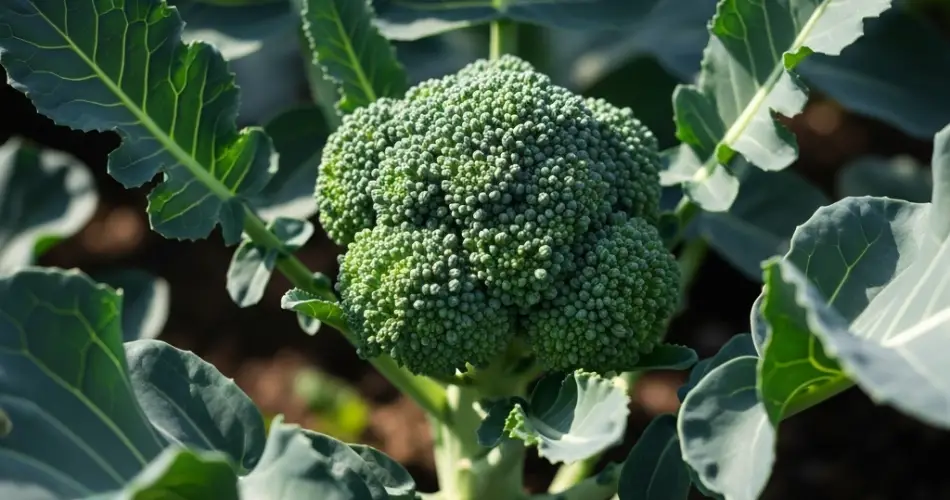
Broccoli is a nutritious and satisfying crop to grow, but it can be particularly vulnerable to pests like aphids, cabbage loopers, flea beetles, and cabbage worms. Fortunately, nature offers an effective, chemical-free solution: companion planting. By growing broccoli alongside the right plants, you can naturally deter harmful insects, boost broccoli’s health, and even improve its yield.
Here’s a comprehensive guide to the best companion plants that can help you grow healthier, pest-free broccoli in your garden.
Why Companion Planting Works
Companion planting relies on the idea that certain plants can benefit each other when grown nearby. These benefits include:
-
Pest control through scent masking or repelling insects
-
Attracting beneficial insects like ladybugs and parasitic wasps
-
Soil enhancement via nutrient contribution or root interactions
-
Maximizing space in small gardens or raised beds
Broccoli, being a member of the brassica family, does especially well when paired with specific herbs, flowers, and vegetables that offer protection and support.
1. Onions and Alliums (Garlic, Chives, Leeks)
Alliums emit a strong aroma that confuses and repels many pests that typically attack broccoli.
-
Garlic and chives help deter aphids and cabbage loopers.
-
Leeks and onions provide an extra layer of scent-based defense.
Plant these around the border of your broccoli patch to create a natural pest barrier.
2. Herbs: Dill, Rosemary, Sage, and Mint
Strong-scented herbs are some of the best defenders against broccoli pests.
-
Dill attracts beneficial insects such as lacewings and parasitic wasps, which feed on caterpillars and aphids.
-
Rosemary and sage repel cabbage moths, which lay eggs that become destructive cabbage worms.
-
Mint helps deter flea beetles, but it spreads quickly, so it’s best planted in containers placed near your broccoli.
These herbs also make great additions to your kitchen garden, offering dual-purpose value.
3. Marigolds
Marigolds are a favorite companion for many vegetables, including broccoli. Their bright flowers attract hoverflies and ladybugs, which prey on aphids and other soft-bodied insects. Marigolds also emit a strong scent that can confuse root-damaging nematodes and beetles.
For best results, interplant marigolds directly between broccoli plants or along garden borders.
4. Nasturtiums
Nasturtiums act as a trap crop, drawing aphids, cabbage loopers, and other pests away from your broccoli. These edible flowers are both beautiful and functional.
Plant nasturtiums a few feet away from your broccoli. They’ll lure pests to themselves, allowing your main crop to stay healthier.
5. Celery and Spinach
Leafy greens like spinach and aromatic vegetables like celery work well with broccoli. Spinach grows low to the ground and serves as a living mulch, keeping the soil cool and moist. Celery emits a scent that can mask broccoli’s smell, making it harder for pests to locate it.
These companions also make efficient use of space, allowing you to grow more in tight quarters.
6. Beets
Beets don’t offer direct pest control benefits but are compatible with broccoli in terms of nutrient usage. Beets have a low nutrient demand, especially for nitrogen, allowing broccoli to thrive without too much competition.
By growing broccoli above and beets below, you’re maximizing vertical space in your garden while keeping both crops happy.
7. Chamomile and Calendula
These two flowers are great for general pest control and pollinator attraction.
-
Chamomile improves the flavor of broccoli and attracts beneficial insects like hoverflies and bees.
-
Calendula repels aphids and nematodes and brings in ladybugs and lacewings.
Scatter these throughout your broccoli patch for both beauty and function.
Plants to Avoid Near Broccoli
Just as some plants help broccoli thrive, others can hinder its growth. Avoid planting the following near your broccoli:
-
Strawberries: Compete for nutrients and attract pests.
-
Tomatoes, peppers, and eggplants: Prefer different soil pH and can stunt broccoli’s growth.
-
Pole beans: Can block sunlight and compete for nutrients.
Always consider spacing, root depth, and growth habits when selecting companions.
Tips for Successful Companion Planting
-
Rotate your crops each year to prevent soil-borne diseases and maintain nutrient balance.
-
Interplant with variety: A mix of flowers, herbs, and vegetables can create a diverse, resilient garden ecosystem.
-
Monitor pest levels regularly to ensure companion plants are working effectively.
-
Use companion planting with other organic practices, such as mulching and handpicking pests, for best results.
Final Thoughts
Broccoli is a fantastic crop when grown with the right support system. By carefully choosing companion plants, you can reduce pest issues naturally, improve soil conditions, and enjoy a more bountiful harvest. With a little planning and diversity in your garden layout, you can keep your broccoli strong, healthy, and thriving all season long—without the need for harsh chemical sprays.


