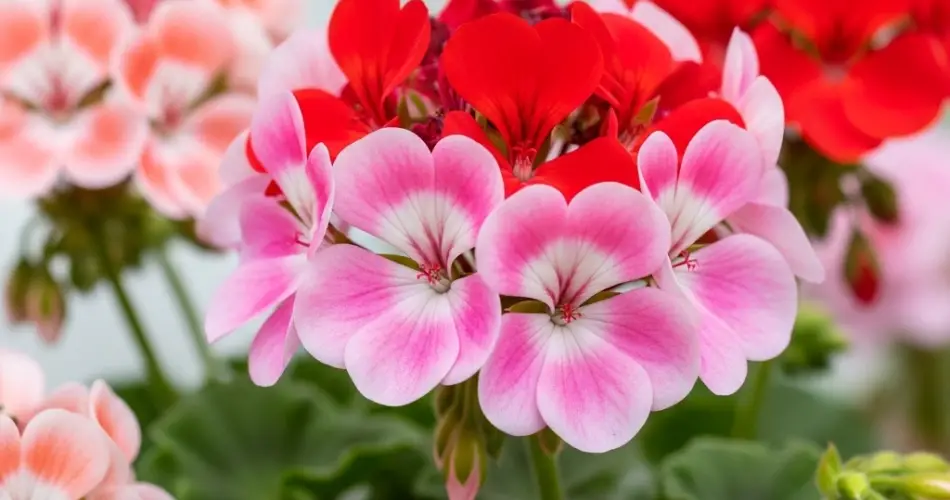
Geraniums are a classic favorite for gardeners everywhere, known for their vibrant blooms, versatility, and ability to brighten any garden, balcony, or windowsill. Growing geraniums from seed may sound challenging, but with the right approach, even beginners can achieve stunning plants in record time. This guide will walk you through the process, from sowing seeds to enjoying a full display of colorful flowers.
Why Grow Geraniums from Seed?
Starting geraniums from seed offers several advantages:
-
Cost-effective: Seeds are affordable and allow you to grow many plants.
-
Variety: You have access to a wider range of colors and types than buying nursery plants.
-
Satisfaction: Watching a plant grow from seed to bloom is rewarding.
-
Control: Growing from seed lets you start fresh, avoiding pests or diseases.
Choosing the Right Seeds
There are two main types of geraniums: zonal geraniums (Pelargonium zonale) and ivy-leaved geraniums (Pelargonium peltatum). Both are great for containers and garden beds.
Select high-quality, fresh seeds from a reputable supplier for the best germination rates. Some seed packets specify faster-growing varieties, which are ideal if you want blooms quickly.
When to Sow Geranium Seeds
The best time to start geranium seeds is late winter to early spring, about 8-10 weeks before the last expected frost date in your area. This timing gives seedlings enough time to mature indoors before transplanting outdoors.
If you live in a warm climate with mild winters, you can sow seeds earlier or even grow geraniums year-round indoors.
Preparing to Sow: Soil, Containers, and Tools
Geranium seeds need light, well-draining soil to germinate well.
-
Use a seed-starting mix or a fine, sterile potting mix.
-
Choose shallow trays or small pots with drainage holes.
-
Have a spray bottle ready for gentle watering.
-
Maintain a warm environment around 70°F (21°C) to encourage germination.
How to Sow Geranium Seeds Step-by-Step
-
Moisten the seed-starting mix lightly before filling your containers.
-
Sow seeds on the surface of the soil; do not cover them deeply as they need light to germinate.
-
Press seeds gently into the soil for good contact.
-
Mist the soil surface lightly to moisten.
-
Cover the containers loosely with plastic wrap or a humidity dome to retain moisture.
-
Place the containers in a bright spot with indirect sunlight or under grow lights.
-
Maintain warmth and moisture—check daily to avoid drying out or soggy soil.
Germination Timeline and Tips
Geranium seeds usually germinate in 7 to 14 days, but some can take up to 3 weeks.
-
Avoid overwatering as soggy soil can cause seed rot.
-
Once seedlings emerge, remove any covering to prevent fungal issues.
-
Provide bright, indirect light to keep seedlings compact and strong.
Caring for Seedlings
After germination, seedlings need gentle care:
-
Keep soil moist but not soaked.
-
Rotate seedlings for even light exposure.
-
Once seedlings develop their first set of true leaves, start feeding with a diluted balanced liquid fertilizer every 2 weeks.
-
Thin out weaker seedlings to allow room for strong plants.
Transplanting Seedlings
When seedlings have 3-4 sets of leaves and are strong enough to handle, it’s time to transplant:
-
Prepare individual pots (3-4 inches wide) with well-draining potting soil.
-
Gently loosen roots and transfer seedlings without damaging them.
-
Water well after transplanting and place in a bright spot with indirect sunlight.
-
Harden off the plants by gradually exposing them to outdoor conditions over 1-2 weeks before planting them outside.
Encouraging Fast Growth and Early Blooming
To get your geraniums blooming quickly, keep these tips in mind:
-
Light: Geraniums need at least 6 hours of direct sunlight daily.
-
Water: Water when the top inch of soil dries out; avoid waterlogging.
-
Fertilize: Use a balanced fertilizer every 2-4 weeks during the growing season.
-
Prune: Pinch off the tips of young plants to promote bushier growth.
-
Deadhead: Remove spent flowers to encourage continuous blooming.
-
Temperature: Geraniums prefer temperatures between 65-75°F (18-24°C) during the day and cooler nights.
Common Problems and Solutions
-
Leggy seedlings: Often caused by insufficient light; increase light exposure.
-
Yellow leaves: May indicate overwatering or nutrient deficiency.
-
Powdery mildew: Maintain good air circulation and avoid overhead watering.
-
Pests: Watch for aphids or spider mites; treat with insecticidal soap if needed.
Transplanting Outdoors and Container Growing
Once your geraniums are sturdy and the outdoor temperature is consistently warm, transplant them to your garden beds, hanging baskets, or patio containers.
-
Choose a location with full sun and well-draining soil.
-
Space plants about 8-12 inches apart.
-
Water regularly but allow soil to dry between watering.
-
Mulch to retain moisture and reduce weeds.
Harvesting and Enjoying Your Geraniums
Geraniums bloom abundantly throughout the growing season. Use the flowers and leaves in crafts, potpourris, or simply enjoy their beauty in your home and garden.
Final Thoughts
Growing geraniums from seed to stunning blooms is easier than you might think. With proper seed selection, timely sowing, and attentive care, you can enjoy bright, beautiful geraniums in record time—even as a beginner gardener. Embrace the process, and your efforts will reward you with vibrant colors that enhance any space.


