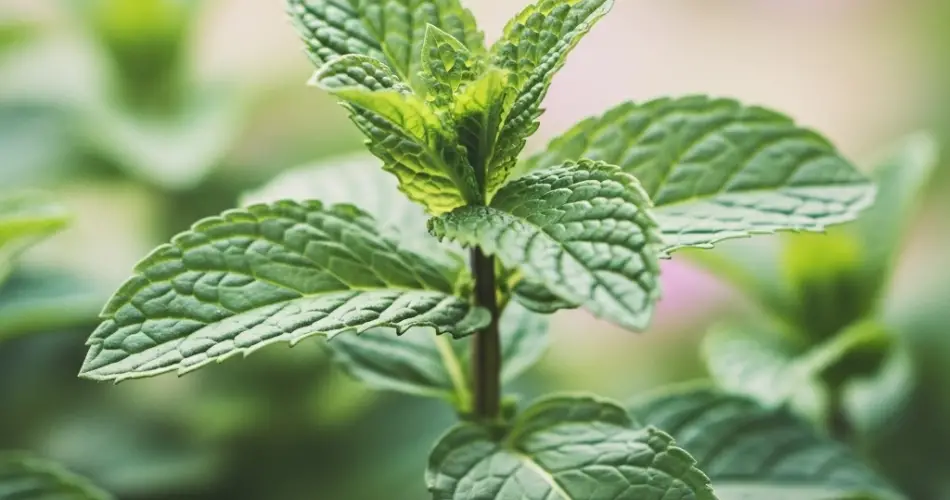
Mint is one of the easiest and most rewarding herbs to grow, even if you have zero gardening experience. Its refreshing aroma, vibrant green leaves, and versatility in cooking, teas, and home remedies make it a must-have for any kitchen garden. Plus, mint grows quickly and is surprisingly hardy, making it a perfect starter plant for beginners.
If you’ve struggled with keeping plants alive before or never thought you could grow herbs at home, don’t worry. This guide will walk you through every step to successfully develop mint with minimal effort and maximum results.
Why Grow Mint?
Mint isn’t just a flavorful herb. Here are some great reasons to grow it at home:
-
Culinary uses: Add fresh leaves to drinks, salads, sauces, desserts, and more.
-
Natural remedy: Mint can soothe digestion, headaches, and congestion.
-
Aromatic: Its refreshing scent can freshen your kitchen and repel pests.
-
Easy care: Mint thrives with little attention, making it ideal for beginners.
-
Fast growth: It grows vigorously, providing a constant supply of leaves.
Choosing the Right Mint Variety
There are many mint varieties, but some are better suited for beginners and container growing:
-
Spearmint: The most common mint with sweet flavor, great for cooking and drinks.
-
Peppermint: Stronger menthol flavor, often used in teas and medicinally.
-
Chocolate mint: A unique variety with a subtle chocolate aroma.
-
Apple mint: Fruity and mild, ideal for salads and garnishes.
You can start with seeds, but purchasing small starter plants or cuttings from a nursery will speed up the process and reduce risk.
Selecting a Container or Garden Spot
Mint is a vigorous grower that spreads quickly via underground runners. This means it can take over garden beds if not controlled.
For Beginners: Container Growing
-
Use a pot or container with drainage holes, ideally 8-12 inches deep.
-
Containers help keep mint contained and make it easy to move indoors or outdoors.
-
Use a high-quality potting mix that retains moisture but drains well.
Growing in the Garden
-
Choose a partly shaded spot with fertile, well-draining soil.
-
To prevent mint from spreading aggressively, plant it in a buried container or raised bed.
Planting Mint: Step-by-Step
-
Prepare your pot or garden spot: Fill containers with potting mix or loosen garden soil.
-
Plant your mint: If using seedlings or cuttings, plant them about 12 inches apart.
-
Water immediately: Give the soil a thorough watering to settle the roots.
-
Place in suitable light: Mint prefers partial sun to partial shade—around 4-6 hours of sunlight daily.
Watering: Keep It Consistently Moist
Mint loves moisture but hates being waterlogged.
-
Water when the top inch of soil feels dry.
-
Keep the soil consistently moist but not soggy.
-
Increase watering during hot weather or if growing indoors with dry air.
-
Reduce watering in winter or dormant periods.
Feeding and Fertilizing
Mint doesn’t require heavy feeding.
-
Apply a balanced, water-soluble fertilizer every 4-6 weeks during the growing season.
-
Alternatively, add compost or organic matter to the soil to keep it fertile.
-
Avoid overfertilizing, which can cause excessive leaf growth with less flavor.
Pruning and Harvesting for Continuous Growth
Regular pruning is key to maintaining a healthy, productive mint plant.
-
Snip off the top 1-2 inches of stems regularly to encourage bushier growth.
-
Harvest leaves as needed, preferably in the morning for best flavor.
-
Remove any flowers as they appear to keep the plant focused on leaf production.
-
If the plant becomes leggy or woody, cut it back by one-third in early spring.
Dealing with Common Problems
Mint is resilient, but it can face some issues:
-
Yellowing leaves: Often caused by overwatering or poor drainage.
-
Powdery mildew: A fungal problem; improve air circulation and avoid overhead watering.
-
Pests: Watch for aphids or spider mites; treat with insecticidal soap or neem oil if necessary.
-
Root-bound plants: In containers, mint may become root-bound after a year or two—repot or divide the plant.
Propagating Mint Easily
One of the best features of mint is how easy it is to propagate:
-
Take cuttings of healthy stems, about 4-6 inches long.
-
Place the cuttings in a glass of water until roots form (usually 1-2 weeks).
-
Once roots develop, plant the cuttings in potting mix.
-
This allows you to expand your mint collection or replace older plants without buying new ones.
Tips for Growing Mint Indoors
If you don’t have outdoor space, mint grows well inside with proper care.
-
Place the pot on a sunny windowsill with at least 4-6 hours of sunlight.
-
Use a grow light if natural light is insufficient.
-
Maintain consistent moisture and good airflow.
-
Avoid placing mint near heating vents or drafts.
Final Thoughts
Developing mint at home is simple, forgiving, and highly satisfying. With just a bit of attention to watering, light, and pruning, even those with no prior gardening experience can enjoy fresh, aromatic mint year-round.
Whether you want to garnish your meals, brew soothing teas, or freshen your home naturally, growing mint is a fantastic place to start your gardening journey.


