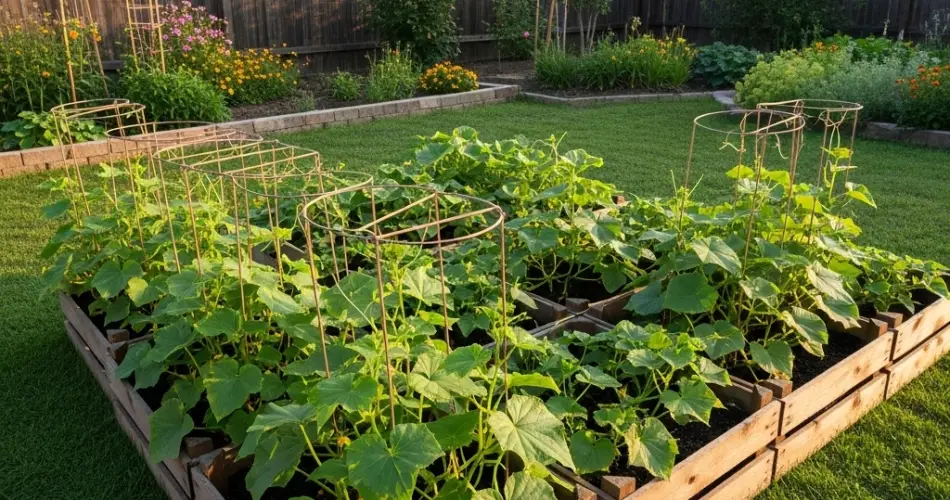
Climbing cucumbers are an excellent addition to any backyard garden. They produce abundant fruit, grow vertically to save space, and thrive in warm, sunny weather. Growing them in wooden crates is a smart, space-saving technique that works well even in compact gardens or urban spaces.
Crate gardening provides control over soil quality, reduces weeds, and allows for improved drainage—essential elements for healthy cucumber plants. With the help of a trellis or support structure, your cucumbers can climb high while producing crisp, fresh fruit all season long.
Why Grow Cucumbers in Crates?
Cucumbers have sprawling vines that can quickly take over ground space. Training them to climb a trellis placed inside or behind a wooden crate keeps them off the ground, promoting air circulation and reducing the risk of pests and diseases.
Crates also allow you to control the soil mix and moisture levels more effectively than traditional garden beds. They’re portable, ideal for small backyards, patios, or balconies, and they elevate the plants to a more manageable height for care and harvesting.
Choosing the Right Crate
Use a wooden crate that is at least 30–40 cm deep and wide enough to accommodate the root system and allow airflow around the plant. Ensure the crate has good drainage—either natural slats in the base or drilled holes—and line it with landscape fabric, old sacks, or burlap to hold in the soil.
Place the crate on bricks or wooden planks to lift it slightly off the ground. This improves air circulation underneath and prevents excess moisture buildup.
Selecting Cucumber Varieties
For vertical gardening, choose climbing or vining cucumber varieties, such as:
-
Marketmore
-
Poinsett 76
-
Japanese Climbing
-
Straight Eight
These types naturally produce long vines and respond well to trellising. Bush varieties are compact and don’t climb as well, so they are better suited for smaller containers without vertical structures.
Preparing the Soil
Cucumbers need fertile, well-draining soil. Prepare a rich soil mix using:
-
1 part garden soil
-
1 part compost or aged manure
-
1 part coco peat or rice hulls for moisture retention and drainage
Mix in crushed eggshells or a handful of wood ash to add calcium and potassium—two nutrients that support healthy fruiting. Avoid heavy clay soil or over-fertilizing with nitrogen, which encourages excessive leafy growth.
Planting Cucumbers in Crates
You can start cucumbers from seed or transplant healthy seedlings. If planting seeds, sow them about 2–3 cm deep, spacing each seed 30 cm apart if growing multiple plants in one crate. Plant near the back or center of the crate so the vines can climb up a nearby trellis or frame.
If using seedlings, handle them carefully to avoid damaging the roots. Water immediately after transplanting and place the crate in a location with 6–8 hours of direct sunlight daily.
Installing a Trellis
Support is essential for climbing cucumbers. Install a trellis or frame directly into the crate or behind it. Options include:
-
Wooden stakes with netting
-
Bamboo teepees
-
Wire mesh panels
-
Vertical strings tied to an overhead beam or fence
Train young vines upward by loosely tying them with twine as they grow. As they mature, the tendrils will naturally grip the structure.
Watering and Feeding
Cucumbers need consistent watering, especially during flowering and fruit development. Keep the soil evenly moist but not soggy. Water deeply 2–3 times per week, depending on the weather.
Feed the plants every two weeks with an organic liquid fertilizer such as compost tea, fish emulsion, or banana peel extract. Once flowers appear, switch to a fertilizer higher in potassium and phosphorus to encourage fruiting.
Mulch the soil surface with dried grass, leaves, or straw to help retain moisture and keep roots cool.
Pest and Disease Management
Common pests include aphids, cucumber beetles, and spider mites. Inspect leaves regularly, especially the undersides, and spray with neem oil or insecticidal soap if needed.
To prevent fungal diseases, avoid wetting the leaves during watering, and ensure good air circulation by spacing your crates adequately.
Crop rotation and removing old plant debris after harvest also help prevent disease buildup.
Pollination and Fruit Production
Cucumbers produce male and female flowers. Bees and other pollinators are essential for fruit development. To attract pollinators, plant herbs or flowers nearby, such as basil or marigolds. In areas with low pollinator activity, you can hand-pollinate by transferring pollen from a male flower to a female flower using a small brush.
Harvest cucumbers when they reach the desired size. Regular harvesting encourages the plant to produce more fruit. Overripe cucumbers can turn bitter and reduce productivity.
Post-Harvest Care and Reuse
Once the season ends, remove the plants, roots, and old mulch. Refresh the soil with compost or rotate to a different crop such as beans or leafy greens. The crate can be reused for several seasons with minimal maintenance.
Growing climbing cucumbers in backyard crates is a practical, productive, and visually appealing way to enjoy homegrown produce. With a little preparation and care, you’ll be rewarded with a steady supply of fresh, crunchy cucumbers grown right in your backyard—perfect for salads, pickles, and snacking.


