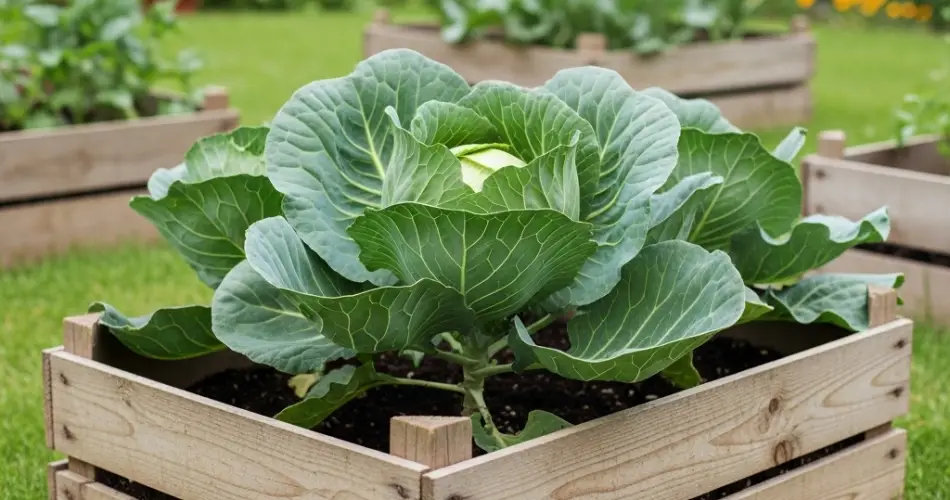
Cabbage is a cool-season vegetable that’s surprisingly easy to grow in containers—even in a backyard with limited space. With the help of wooden crates, you can raise large, crisp cabbage heads in a neat and manageable garden setup. Crate gardening not only saves ground space but also gives you more control over soil quality, water drainage, and pest management.
Whether you’re growing green, red, or savoy cabbage, using crates as raised beds allows you to enjoy fresh, homegrown produce with less effort and more flexibility.
Why Grow Cabbage in Crates?
Crates are ideal for vegetables like cabbage that need room for their roots and heads to develop. Unlike traditional in-ground beds, crates allow you to:
-
Avoid poor or compacted soil
-
Control the growing medium for better nutrition and drainage
-
Reduce the risk of soil-borne pests and diseases
-
Easily move the crate to optimize sun exposure
-
Manage weeds with minimal effort
This makes crate gardening especially useful for small backyards, patios, rooftops, or urban spaces where traditional gardening isn’t practical.
Choosing the Right Crate
Select a sturdy wooden crate that’s at least 30–40 cm deep and 40–50 cm wide. This gives each cabbage plant enough room to spread its roots and form a full head.
Drill drainage holes into the bottom if the crate doesn’t have slats or gaps. Then line the inside with breathable fabric like burlap, landscape cloth, or an old sack to keep the soil in while allowing excess water to drain. Raise the crate slightly on bricks or boards to prevent water from collecting underneath and to promote good airflow.
Preparing the Soil
Cabbage thrives in nutrient-rich, loose, and well-draining soil. For the best results, fill your crate with a mix of:
-
1 part garden soil
-
1 part compost or aged manure
-
1 part coco peat or rice hulls for improved drainage
Cabbage is a heavy feeder, so adding a handful of wood ash, bone meal, or organic fertilizer to the soil mix before planting can improve yields. Maintain a slightly acidic to neutral pH between 6.0 and 7.0 for optimal growth.
Selecting Cabbage Varieties
Choose cabbage varieties that fit your climate and growing space. Some excellent options for crate growing include:
-
Green Cabbage (compact types like ‘Golden Acre’)
-
Red Cabbage (adds vibrant color to your garden and plate)
-
Savoy Cabbage (crinkled leaves, mild flavor)
-
Mini Cabbage (small heads, ideal for small crates)
These varieties are well-suited for raised beds and container setups.
Planting and Spacing
You can start cabbage from seed indoors or purchase healthy seedlings. If using seeds, sow them in seed trays or small pots 4–6 weeks before transplanting. Once the seedlings have 3–4 true leaves, they’re ready to be moved to your crate.
Plant one cabbage per crate for full-sized varieties, or two smaller ones if using mini or compact types. Space them at least 30 cm apart to allow the heads to form without overcrowding. Bury the transplant up to the first set of leaves and press the soil gently around the base.
Watering and Sunlight
Cabbage needs consistent moisture to form firm, well-shaped heads. Water regularly to keep the soil moist but not soggy—especially during dry spells. Avoid overhead watering to reduce the risk of leaf rot and disease.
Place the crate in a spot that gets at least 5–6 hours of sunlight daily. While cabbage can tolerate partial shade, full sun helps it develop faster and more uniformly.
Feeding and Maintenance
Apply an organic liquid fertilizer or compost tea every 2–3 weeks to keep the plants healthy and promote steady growth. Cabbage benefits from a balanced fertilizer early on, but as heads begin forming, switch to a formula higher in potassium and phosphorus.
Add a thin layer of mulch like rice straw, dried leaves, or grass clippings to keep the soil cool, retain moisture, and suppress weeds.
Check plants weekly for signs of pests such as cabbage worms, aphids, or slugs. Remove pests by hand or use natural treatments like neem oil spray or soapy water. Cover young plants with netting or mesh to prevent moths from laying eggs on the leaves.
Harvesting Cabbage
Cabbage is ready to harvest when the head feels firm and full-sized for the variety you planted. Use a sharp knife to cut the stem at the base, just above the outer leaves. Leave the root and base in the soil—it may produce smaller side heads that can be harvested later.
Harvest during the cooler part of the day and store cabbage in a cool, shaded area or refrigerator. Heads can last several weeks if properly stored.
After the Harvest
Once the growing cycle is complete, remove any plant debris and refresh the soil with compost before planting your next crop. Rotate your vegetables—planting herbs, beans, or lettuce after cabbage helps maintain soil health and prevent disease buildup.
Crates can be reused for multiple seasons with basic upkeep, making them a practical and sustainable choice for home gardeners.
Growing cabbage in crates is a simple, effective way to enjoy fresh, homegrown vegetables right from your backyard. With the right setup and a little care, you’ll enjoy crisp, flavorful heads of cabbage that are perfect for salads, soups, and homemade slaw—all grown just steps from your kitchen.


