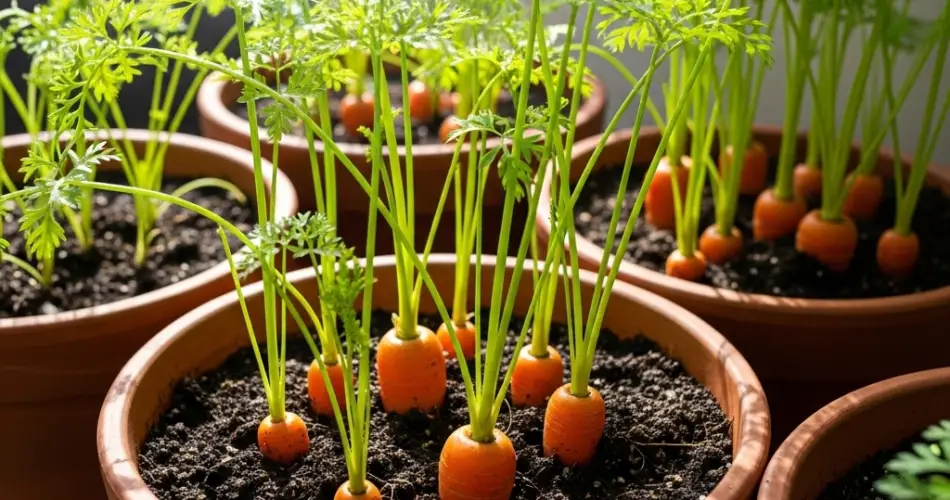
Carrots are a staple in many home gardens, but if you don’t have access to an outdoor plot, don’t worry—you can still enjoy sweet, crunchy homegrown carrots by growing them in pots. With the right techniques and a bit of attention to detail, container-grown carrots can yield excellent results and even outperform traditional garden-grown crops in some cases.
Growing carrots in pots is perfect for small spaces like balconies, patios, or windowsills, and it’s a rewarding project for beginner and experienced gardeners alike. Here’s everything you need to know to grow carrots in containers for the best harvests possible.
Choosing the Right Variety
The first step to success is selecting the right carrot variety. Not all carrots grow well in containers, especially the long-rooted types that need deep, loose soil.
Look for short or round varieties that thrive in confined spaces:
-
Parisian or Paris Market: Small, round, and ideal for shallow pots.
-
Thumbelina: A globe-shaped variety that matures quickly.
-
Nantes: A cylindrical, blunt-end type that grows well in medium-depth containers.
-
Chantenay: A short and thick-rooted carrot great for containers.
Check the seed packet for root length and choose varieties that grow no longer than the depth of your container.
Choosing the Right Container
Carrots grow downward, so container depth is critical. Use pots that are at least:
-
8 to 12 inches deep for short and round varieties.
-
12 to 16 inches deep for medium-length carrots like Nantes or Chantenay.
The container should also be wide enough to accommodate multiple carrots spaced properly. A rectangular planter box or deep bucket with good drainage holes is ideal.
Preparing the Soil
Carrots need loose, well-draining, and stone-free soil to grow straight and healthy. Use a light potting mix made of:
-
2 parts peat moss or coconut coir
-
1 part perlite or vermiculite
-
1 part compost or well-rotted manure
Avoid dense or compacted soil, which can lead to misshapen roots. Don’t add too much nitrogen, as it can cause lush foliage but stunted roots.
Sowing the Seeds
Carrot seeds are tiny and can be slow to germinate. Sow them directly into the container:
-
Moisten the soil before planting.
-
Scatter seeds thinly on the surface, spacing them about 1 inch apart.
-
Cover with a very light layer of soil—no more than ¼ inch deep.
-
Mist the surface gently to avoid washing the seeds away.
Carrots prefer cooler temperatures for germination. Ideal germination range is 55°F to 75°F (13°C to 24°C). Be patient—germination can take 10 to 20 days.
Thinning and Spacing
Once seedlings are about 2 inches tall, thin them out so each carrot has 2 to 3 inches of space. Crowded carrots compete for nutrients and end up twisted or stunted.
To avoid disturbing the remaining seedlings, use scissors to snip off the unwanted ones at soil level rather than pulling them out.
Watering and Care
Carrots need consistent moisture to develop properly. Irregular watering can cause roots to crack or split. Follow these tips:
-
Water when the top inch of soil feels dry.
-
Keep soil evenly moist but not waterlogged.
-
Use mulch (like straw or shredded leaves) to retain moisture and regulate temperature.
Carrots are generally low-maintenance and don’t need frequent feeding. If desired, apply a low-nitrogen fertilizer once or twice during the growing season.
Sunlight and Temperature
Carrots need at least 6 hours of direct sunlight daily. Place your container in a sunny spot, such as a balcony, windowsill, or patio.
They grow best in temperatures between 60°F and 75°F (15°C to 24°C), but can tolerate cooler weather. In hot climates, provide partial shade during the hottest part of the day.
Pests and Problems
Carrots grown in pots are less prone to pests than those in the ground, but you should still watch out for:
-
Aphids: Spray with a mixture of water and mild soap if needed.
-
Fungal diseases: Avoid overhead watering and ensure good airflow.
-
Root deformities: Often caused by stony or compacted soil, or overcrowding.
Cover young plants with a mesh to protect them from carrot flies if you’re growing them outdoors.
Harvesting
Depending on the variety, carrots are usually ready to harvest in 60 to 80 days. Look for the shoulders (tops of the roots) poking out of the soil. Gently pull one up to check size.
To harvest:
-
Loosen the soil with your fingers or a tool.
-
Grasp the green tops firmly and pull slowly.
-
Wash off soil and store in the fridge or enjoy fresh.
Final Tips
-
Water evenly to avoid cracked or bitter carrots.
-
Keep re-sowing every 2–3 weeks for a continuous harvest.
-
Grow companion herbs like basil or parsley nearby to deter pests.
With just a bit of care and the right setup, you can enjoy a steady supply of fresh, crisp carrots right from your own containers—no garden required.


