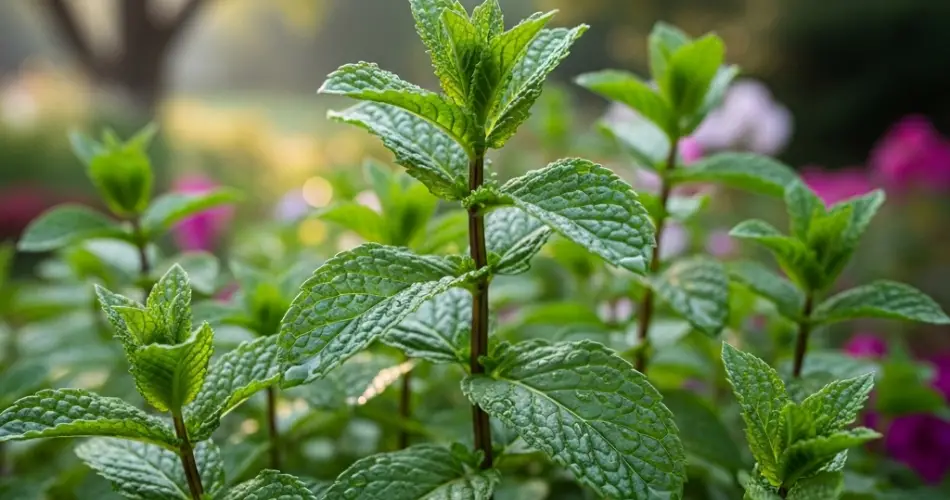
Mint is one of the most rewarding herbs to grow in your garden. Not only is it fragrant and refreshing, but it also grows quickly and can be used in everything from teas and desserts to savory dishes and natural remedies. Best of all, mint is incredibly easy to grow—even for beginners.
With a few basic tips and a bit of care, you can grow a thriving mint patch in your garden and enjoy fresh leaves all season long. Here’s how to do it.
Why Grow Mint?
Mint is a hardy perennial herb that grows in a wide range of climates and conditions. It’s known for its rapid growth and vigorous spreading, making it a perfect addition for gardeners looking for low-maintenance greenery.
Here are a few great reasons to grow mint:
-
Flavorful: Fresh mint adds a burst of flavor to drinks, desserts, and savory dishes.
-
Aromatic: Its clean scent naturally repels some pests and enhances the smell of your garden.
-
Medicinal: Mint is often used to soothe digestion, relieve headaches, and freshen breath.
-
Decorative: With its vibrant green leaves and compact shape, mint can double as a beautiful ground cover.
Choosing the Right Mint Variety
There are many types of mint, and most grow well in garden conditions. A few popular varieties include:
-
Spearmint: The classic garden mint used in teas and cooking.
-
Peppermint: Stronger in flavor, ideal for herbal remedies and desserts.
-
Chocolate mint: A fun variety with a subtle cocoa aroma.
-
Apple mint: Soft leaves and a fruity scent—great for infusions.
-
Pineapple mint: Attractive variegated leaves with a mild, sweet taste.
Choose the type that best suits your culinary or ornamental needs.
Where to Plant Mint
Mint grows best in:
-
Partial shade to full sun: It prefers morning sun and some afternoon shade, especially in hot climates.
-
Moist, well-draining soil: Mint likes consistently moist soil but not soggy conditions.
-
Contained spaces: Because mint spreads aggressively through underground runners, it’s best to grow it in a container—even if placed in the ground.
To control spreading, either:
-
Plant mint in a large pot and sink the pot into your garden bed,
-
Or grow it in raised beds, window boxes, or vertical planters.
This will prevent it from taking over your entire garden.
How to Plant Mint
You can grow mint from seeds, cuttings, or transplants. However, the easiest and fastest method is using root divisions or small plants.
-
Prepare the soil: Enrich with compost or aged manure for healthy growth.
-
Plant spacing: Space mint plants about 18–24 inches apart to allow airflow and room to grow.
-
Planting depth: Place the plant or cutting at the same depth it was growing in its original container.
-
Water thoroughly: After planting, water well to help the roots establish.
Mint can be planted in spring after the last frost or in early autumn in mild climates.
Caring for Mint in the Garden
Mint is easy to care for, but it benefits from a few routine practices:
-
Water regularly: Keep the soil evenly moist, especially in dry weather.
-
Mulch: Use organic mulch like straw or leaves to retain moisture and suppress weeds.
-
Fertilize lightly: Mint doesn’t need much feeding, but you can use a diluted liquid fertilizer once a month in the growing season.
-
Trim often: Regular pruning encourages bushier growth and prevents flowering, which can make the leaves taste bitter.
Pinch off the top leaves regularly and remove any flowers that begin to form. This keeps the plant focused on growing flavorful leaves.
Harvesting Mint
You can begin harvesting mint once the plant reaches about 4–6 inches in height.
Tips for harvesting:
-
Use scissors or pinch the stems just above a leaf pair.
-
Harvest in the morning when the essential oils are strongest.
-
Pick no more than one-third of the plant at a time to avoid stressing it.
Frequent harvesting actually encourages the plant to grow more vigorously, giving you a steady supply throughout the growing season.
Storing and Using Mint
Fresh mint is best used right away, but you can also store it:
-
Refrigerator: Wrap in a damp paper towel and place in a plastic bag.
-
Freezing: Chop and freeze in ice cube trays with a little water.
-
Drying: Hang small bunches upside down in a dark, dry, and well-ventilated place.
Use mint in teas, cocktails (like mojitos), sauces, salads, or even homemade skincare products.
Common Mint Growing Problems
Mint is generally pest-resistant, but it can occasionally face issues:
-
Rust (fungus): Look for orange spots on the leaves. Remove affected parts and improve air circulation.
-
Aphids and spider mites: Spray with a mild soap solution or neem oil.
-
Leggy growth: Caused by lack of light or irregular trimming. Prune back to encourage bushiness.
Final Thoughts
Mint is one of the easiest herbs to grow in any garden. With a bit of planning to control its spread and a regular trimming schedule, mint will reward you with lush growth and a constant supply of flavorful, fragrant leaves.
Whether you’re growing spearmint for tea or peppermint for baking, this hardy herb will quickly become a favorite in your home garden. Even in small spaces, a little mint goes a long way.


