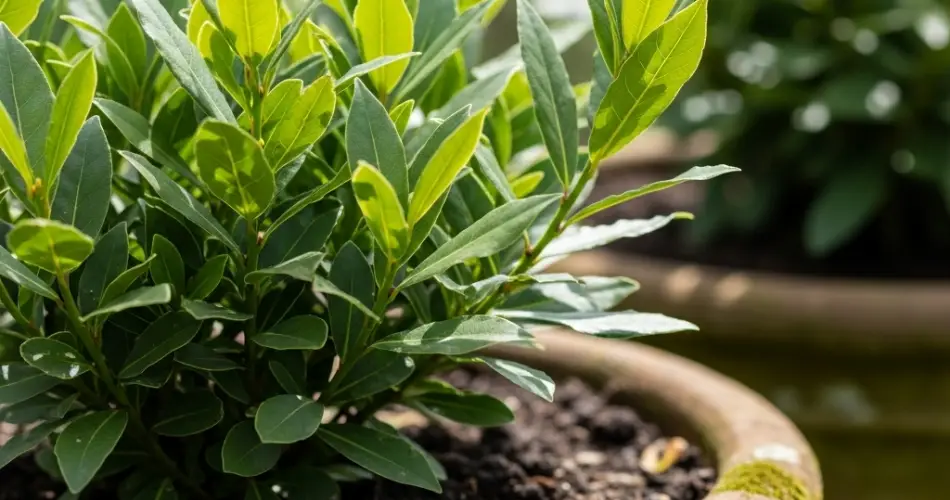
Bay leaf trees (Laurus nobilis), also known as sweet bay or bay laurel, are aromatic evergreen plants native to the Mediterranean region. Widely valued for their flavorful leaves used in cooking, these trees are not only functional but also ornamental, with glossy green foliage and a pleasant, subtle scent. If you’re working with limited space or prefer mobile gardening, growing bay leaf trees in containers is an excellent option.
Here’s a step-by-step guide on how to successfully grow bay leaf trees in pots or containers at home.
Choosing the Right Container
Bay laurel trees grow slowly but steadily, and while they can eventually become small trees, they are quite manageable in containers. When selecting a pot:
-
Size: Start with a container that is at least 12–16 inches in diameter and 12 inches deep. As the plant grows, you can repot it into larger containers to accommodate its expanding root system.
-
Material: Terracotta or ceramic pots are ideal because they allow better airflow to the roots. Plastic containers are lighter and retain moisture longer.
-
Drainage: Ensure your container has ample drainage holes at the bottom to prevent waterlogging, which can lead to root rot.
Soil Requirements
Bay trees thrive in well-draining, fertile soil. To create the ideal potting mix:
-
Use a standard potting mix with added sand or perlite to improve drainage.
-
You can also combine two parts loamy soil, one part coarse sand, and one part compost for a more tailored blend.
-
A slightly acidic to neutral pH (between 6.0 and 7.0) works best for bay leaf trees.
Avoid overly compact or clay-heavy soil as it retains too much moisture.
Planting the Tree
You can start a bay tree from seed, but it’s much easier and faster to buy a small nursery plant.
-
Fill the container with soil, leaving a few inches at the top.
-
Place the plant in the center and backfill around the roots.
-
Press the soil gently and water thoroughly.
-
Add a layer of mulch on top to retain moisture and suppress weeds, but keep it away from the trunk base.
Light and Temperature
Bay trees are sun-loving plants that prefer full sun to partial shade. Position your container where the tree will receive:
-
At least 6 hours of direct sunlight daily.
-
In hot climates, a little afternoon shade can help prevent leaf scorch.
Bay leaf trees are hardy in USDA Zones 8–11, but they need protection in colder climates. If you live in a region with harsh winters:
-
Keep the container on wheeled plant stands for easy relocation.
-
Bring the tree indoors during frost or place it in a greenhouse or sunroom.
Watering and Feeding
Bay trees like evenly moist soil but dislike being overwatered.
-
Water when the top inch of soil feels dry to the touch.
-
In hot weather or summer months, you may need to water more frequently.
-
During winter, reduce watering to prevent soggy soil.
Feed your bay tree once a month in spring and summer with a balanced, slow-release fertilizer or a liquid fertilizer diluted to half strength. Avoid over-fertilizing, which can lead to weak growth.
Pruning and Shaping
Bay trees are naturally dense and compact, which makes them perfect for shaping.
-
Prune in late spring or early summer to maintain the desired shape.
-
Remove dead or crossing branches to improve air circulation.
-
You can shape the tree into a standard (lollipop) form or keep it bushy for a more natural look.
Regular trimming also encourages new growth and maintains a tidy appearance.
Repotting
Bay trees grow slowly, but their roots will eventually fill the container.
-
Repot every 2 to 3 years, preferably in spring.
-
Choose a pot one size larger and refresh the soil.
-
Trim the roots slightly if they’re circling the bottom of the pot.
Between repottings, you can top-dress by replacing the top few inches of soil with fresh compost.
Harvesting Bay Leaves
Bay leaves can be harvested once the plant is well-established, usually after one or two growing seasons.
-
Pick mature, dark green leaves as needed.
-
For drying, snip several leaves and let them air dry in a warm, shaded area. Once dried, store in an airtight container away from sunlight.
Fresh bay leaves can also be used immediately for flavoring soups, stews, sauces, and marinades.
Common Pests and Problems
While bay leaf trees are generally hardy, container-grown plants can sometimes face issues like:
-
Scale insects or aphids: Wash them off with water or apply neem oil.
-
Leaf drop: Often caused by overwatering or sudden temperature changes.
-
Powdery mildew: Improve airflow around the plant and treat with a mild fungicide if needed.
Regular inspection and proper care can prevent most problems.
Final Thoughts
Bay leaf trees are a fantastic addition to any container garden. Whether grown on a balcony, patio, or windowsill, they provide year-round beauty and a steady supply of aromatic leaves for cooking. With the right container, soil, and care, your potted bay laurel can thrive for many years, even doubling as a decorative topiary.


