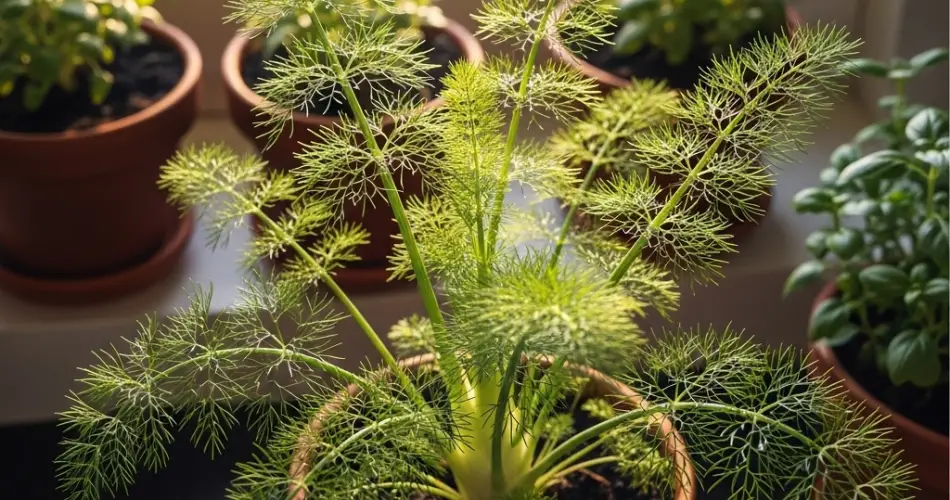
Fennel is a beautiful, aromatic herb and vegetable known for its crisp bulb, delicate fronds, and anise-like flavor. Both the bulb (used in savory dishes and salads) and the fronds (great as a fresh herb or garnish) are edible and highly versatile. While often grown in open garden beds, fennel also adapts well to container gardening—making it possible to grow this flavorful plant even in small spaces like balconies, patios, or sunny apartment corners.
With the right care and setup, container-grown fennel can produce both tender bulbs and lush green fronds. Here’s a step-by-step guide to growing fennel in pots, perfect for home gardeners with limited space.
Why Grow Fennel in Containers?
Fennel is typically seen as a garden plant, but it can thrive in containers when grown with proper attention. Growing it in pots offers several benefits:
-
Better control over soil quality and drainage
-
Fewer pest and disease issues
-
Easy mobility to chase the sun or avoid wind
-
Ideal for small spaces like balconies or rooftops
Fennel does have a deep taproot, so it’s important to choose an appropriately sized container. However, even modest-sized pots can yield delicious results when managed well.
Choosing the Right Type of Fennel
There are two main types of fennel to choose from:
-
Florence fennel (Foeniculum vulgare var. azoricum) – Grown for its swollen, bulb-like base used in cooking.
-
Herb or common fennel (Foeniculum vulgare) – Grown for its feathery leaves and seeds, often used as a culinary herb or in teas.
Florence fennel is ideal if you’re looking to harvest bulbs, while herb fennel is great for continual harvesting of fronds and eventual seed collection.
Materials You’ll Need
To start your fennel container garden, gather the following:
-
A deep container (at least 30 cm deep and wide)
-
High-quality potting mix (light and well-draining)
-
Compost or organic fertilizer
-
Fennel seeds or seedlings
-
Watering can or hose with a gentle spray nozzle
-
A sunny location (6+ hours of sun per day)
Make sure the container has proper drainage holes to prevent water from accumulating at the bottom.
Planting Fennel in Containers
1. Preparing the Pot
Start by placing a thin layer of gravel or small stones at the bottom of your pot to improve drainage. Fill the rest of the container with a mix of potting soil and compost—about 3:1 ratio.
Fennel prefers slightly acidic to neutral soil (pH 6.0–7.0) that is loose and rich in organic matter.
2. Sowing Seeds or Planting Seedlings
If planting from seed:
-
Sow seeds directly into the pot, about 0.5–1 cm deep.
-
Space them 20–25 cm apart if planting more than one.
-
Keep the soil consistently moist but not soggy.
If using seedlings:
-
Transplant carefully to avoid damaging the taproot.
-
Dig a hole large enough to hold the root ball and cover with soil.
-
Water gently after planting to settle the soil.
Light, Water, and Feeding Needs
Fennel needs full sun—ideally 6 to 8 hours of sunlight daily. Place the container in the sunniest spot you have. Rotate the container every few days to encourage even growth.
Water regularly, keeping the soil evenly moist, especially during dry periods. Avoid waterlogging, which can lead to root rot. Fennel prefers a consistent water supply, especially when the bulb is forming.
Feed your plant with a balanced liquid fertilizer or compost tea every 2–3 weeks to encourage strong frond and bulb development.
Care and Maintenance
-
Thinning: If multiple seedlings sprout too closely together, thin them to one plant per pot to allow room for bulb development.
-
Mulching: Add a light layer of mulch to retain soil moisture and regulate temperature.
-
Support: In windy areas, fennel may need light staking to support tall fronds.
As Florence fennel grows, gently mound some soil around the base of the bulb (a process called “hilling”) to blanch it and keep it tender.
Harvesting Fennel
For bulbs: Florence fennel bulbs are ready to harvest when they reach 7–10 cm in diameter. Use a sharp knife to cut the bulb just above the soil line. You can leave the root in place, and in some cases, new shoots may grow from it.
For fronds: Start harvesting fennel fronds once the plant reaches about 30 cm tall. Snip off the outer leaves as needed, always leaving some behind to continue photosynthesis and growth.
For seeds: Allow the flower heads to mature and dry on the plant. Once brown and dry, cut the heads and collect the seeds in a paper bag.
Common Problems to Watch For
-
Bolting: Hot weather can cause fennel to bolt (produce flowers too early). This stops bulb development. Try planting in cooler months or provide afternoon shade.
-
Pests: Aphids and whiteflies may occasionally appear. Rinse them off with water or use neem oil.
-
Root rot: Avoid overwatering and ensure proper drainage to prevent soggy soil.
Conclusion
Fennel is a highly rewarding herb to grow, offering both flavor and visual appeal. With a deep container, the right soil, and ample sunlight, even small-space gardeners can enjoy fresh fennel bulbs and fronds right at home. Container gardening with fennel is not only easy but also a great way to add freshness, nutrition, and fragrance to your kitchen garden—no backyard required.


