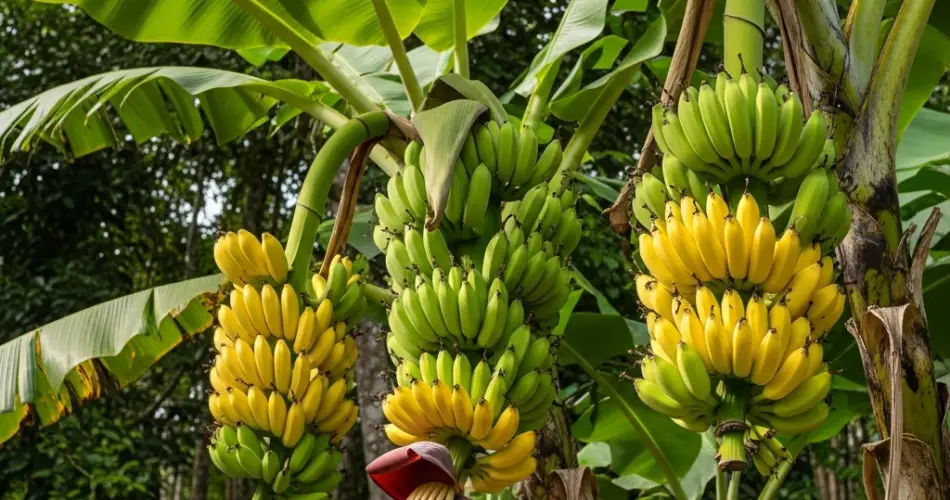
If you’re looking to bring a bold, tropical feel to your indoor space, growing a banana tree indoors is a beautiful and rewarding choice. With their large, glossy leaves and fast growth, banana plants make striking houseplants—and under the right conditions, they can even produce fruit. Whether you want to grow them for their ornamental value or their sweet bananas, banana trees can thrive indoors with a little attention and care.
Here’s a complete guide to growing banana trees inside your home.
Choosing the Right Banana Variety
The first step to successful indoor banana growing is choosing the right variety. Most banana plants grow quite large outdoors, but several compact varieties are better suited to indoor conditions:
-
Dwarf Cavendish: One of the most popular indoor varieties. It grows to about 5–9 feet tall and can bear fruit indoors under ideal conditions.
-
Super Dwarf Cavendish: Even smaller, reaching about 3–4 feet tall—perfect for apartments or limited spaces.
-
Dwarf Red: Known for its reddish stems and compact size, this variety is both ornamental and productive.
-
Musa ‘Truly Tiny’: A very compact banana plant with attractive leaves, ideal as a decorative indoor plant.
These dwarf varieties are easier to manage indoors and are more likely to thrive in containers.
Selecting the Right Container and Soil
Banana trees grow quickly and require plenty of space for their roots. Choose a large, sturdy container—at least 14–18 inches wide and deep to start, with drainage holes to prevent waterlogging. You may need to upgrade the pot size as the plant matures.
Use a well-draining potting mix that retains moisture but doesn’t become soggy. A mix of peat, perlite, and compost or an organic potting mix with added sand is ideal. Avoid heavy garden soil, as it can compact and retain too much water.
Light Requirements
Banana trees love bright light. Indoors, place your banana plant in a south- or west-facing window where it can receive 6–8 hours of sunlight daily. If natural light is limited, supplement with grow lights to ensure your plant gets enough energy to thrive.
Banana plants will become leggy and weak if they don’t get enough light, so adjusting their location or lighting is essential for healthy growth.
Temperature and Humidity
As tropical plants, banana trees prefer warm, humid environments. Ideal temperatures range from 75°F to 90°F (24°C to 32°C) during the day, with a minimum nighttime temperature of 60°F (15°C).
To increase humidity indoors:
-
Use a humidifier
-
Place a tray of water with pebbles under the pot
-
Mist the leaves regularly
Keep banana trees away from cold drafts, air conditioners, and heaters, as they are sensitive to temperature fluctuations.
Watering and Feeding
Banana plants need consistent moisture but dislike soggy roots. Water when the top inch of soil feels dry, and ensure water drains freely from the bottom of the pot. During active growth (spring and summer), you may need to water more frequently.
Fertilize banana trees every 2–4 weeks with a balanced liquid fertilizer (such as 10-10-10 or a tropical plant food) during the growing season. Reduce feeding in fall and winter when growth slows.
Banana plants are heavy feeders, so regular fertilization is key to strong, vibrant foliage and fruit production.
Pruning and Maintenance
Indoor banana trees don’t require much pruning, but you should:
-
Remove dead or damaged leaves at the base.
-
Cut off any suckers (small shoots) unless you’re planning to propagate new plants.
-
Clean the leaves occasionally with a damp cloth to remove dust and encourage photosynthesis.
Repot your banana plant every 1–2 years as it grows, increasing the pot size to give the roots more room.
Can You Get Fruit Indoors?
While it is possible to get bananas indoors, it can be a challenge. The plant needs optimal light, humidity, and feeding to produce fruit. Dwarf Cavendish is the most likely to bear fruit indoors if given enough space and care.
Banana plants typically take 9 to 15 months to produce fruit, followed by a flowering phase. Once the plant bears fruit, that main stem will die—but don’t worry, new shoots (called pups) will grow from the base and continue the cycle.
Common Indoor Issues
-
Yellowing Leaves: Often caused by overwatering or low humidity.
-
Brown Leaf Tips: Usually a sign of dry air or underwatering.
-
Pests: Look out for spider mites or aphids. Treat with insecticidal soap or neem oil as needed.
Providing consistent care and watching for early signs of stress will help keep your plant healthy year-round.
Final Thoughts
Growing a banana tree indoors brings a touch of the tropics into your home, offering bold foliage, fast growth, and even the possibility of homegrown bananas. With the right variety, plenty of sunlight, and attentive care, your indoor banana plant can become a stunning and fruitful addition to your indoor garden.
Ready to grow your own indoor jungle? Start with a dwarf banana tree and enjoy its lush, tropical vibe year-round.


