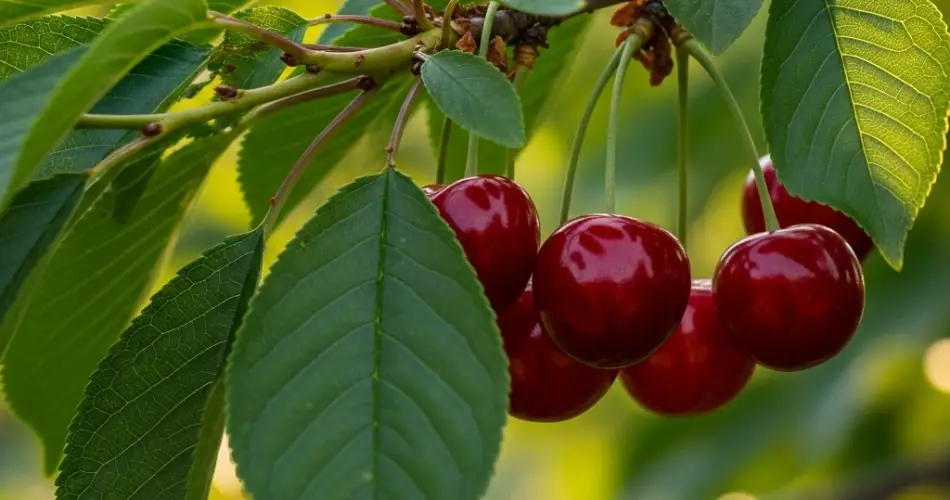
Cherry trees, known for their delicate blossoms and sweet, juicy fruit, are a beautiful and rewarding addition to any garden. While they’re often associated with sprawling orchards, cherries can also thrive in container gardens, making them accessible even to those with limited space.
Growing cherries in pots is ideal for patios, balconies, terraces, or small backyards. With the right variety, container, and care, you can enjoy the charm and bounty of a cherry tree right at home.
1. Choose the Right Cherry Variety
Not all cherry trees are suited for containers. The key is to select dwarf or compact varieties that won’t outgrow their pots and are easier to manage in a confined space.
Ideal container-friendly types include:
-
Dwarf sweet cherries: ‘Stella,’ ‘Compact Stella,’ or ‘Sunburst’
-
Dwarf sour cherries: ‘North Star’ or ‘Carmine Jewel’
-
Self-pollinating varieties: These don’t need a second tree to produce fruit, making them perfect for small spaces.
If you choose a non-self-pollinating type, you’ll need a compatible variety nearby for pollination.
2. Select the Right Container
Your cherry tree’s home is just as important as the tree itself. Choose a large, sturdy container—at least 20 to 24 inches wide and deep—to accommodate the roots and provide stability.
Tips for selecting the container:
-
Use pots made of terracotta, plastic, resin, or wood with drainage holes.
-
Ensure the container is frost-resistant if left outside year-round.
-
Add a wheeled plant stand for mobility if needed.
As the tree matures, you may need to repot into a slightly larger container every few years.
3. Use the Right Potting Mix
Cherries need well-draining, nutrient-rich soil to thrive in containers. A high-quality potting mix with good aeration is essential.
Recommended mix:
-
1 part loam or garden soil
-
1 part compost or well-rotted manure
-
1 part perlite or coarse sand
Avoid using plain garden soil on its own—it can compact in pots and limit root health.
4. Planting Your Cherry Tree
When planting:
-
Fill the bottom of the pot with gravel or broken clay pieces to enhance drainage.
-
Place the tree in the center of the pot, ensuring the root ball sits just below the rim.
-
Fill in around the roots with your soil mix, gently firming it down.
-
Water thoroughly to help the soil settle.
Place the pot in a sunny location—cherries need at least 6–8 hours of direct sunlight daily to bloom and fruit well.
5. Watering and Feeding
Container-grown cherry trees dry out more quickly than those in the ground, so consistent watering is crucial, especially during hot or dry periods.
Watering tips:
-
Keep the soil evenly moist but not soggy.
-
Use your finger to test soil moisture about 2 inches deep.
-
Avoid waterlogging, which can lead to root rot.
Feeding tips:
-
Apply a balanced liquid fertilizer (such as 10-10-10) every 4–6 weeks during the growing season.
-
Switch to a low-nitrogen, high-potassium fertilizer as the tree approaches flowering and fruiting stages.
6. Pruning and Maintenance
Pruning keeps your cherry tree manageable in size and shape, promotes airflow, and encourages fruit production.
How to prune:
-
Prune in late winter or early spring, before new growth starts.
-
Remove dead, damaged, or crossing branches.
-
Trim back long shoots to maintain a compact shape.
-
Thin out crowded branches to improve sunlight penetration.
Regularly check for suckers (shoots from below the graft point) and remove them promptly.
7. Pollination and Fruit Set
If your variety isn’t self-pollinating, you’ll need another compatible cherry tree nearby. If space doesn’t allow for two trees, consider hand-pollination:
-
Use a small paintbrush or cotton swab to gently transfer pollen between flowers.
-
Do this in the morning when pollen is fresh and sticky.
Adequate sunlight and proper feeding also help improve fruit set.
8. Pests and Diseases
Even in containers, cherry trees are susceptible to common pests and diseases such as:
-
Aphids: Treat with neem oil or insecticidal soap.
-
Cherry leaf spot: Prevent with good airflow and remove fallen leaves.
-
Birds: Use netting or reflective tape to protect ripening fruit.
Inspect your tree regularly and address problems early for best results.
9. Overwintering Your Potted Cherry Tree
In cooler climates, potted trees are more vulnerable to freezing. Protect your cherry tree in winter by:
-
Moving it to a sheltered spot, like a garage or greenhouse.
-
Wrapping the container with burlap or insulating material.
-
Watering occasionally to prevent the roots from drying out.
Dwarf cherry trees are hardy, but root systems in pots can freeze more quickly than those in the ground.
Final Thoughts
Growing cherries in a container garden is a practical and satisfying way to enjoy homegrown fruit, even in limited spaces. With the right variety, proper potting, and consistent care, your potted cherry tree can blossom and bear fruit season after season.
Not only do container-grown cherries provide fresh, flavorful harvests, but their spring blossoms and lush foliage also add beauty and life to patios and balconies. Start small, stay attentive, and soon you’ll be harvesting cherries right from your own portable orchard.


