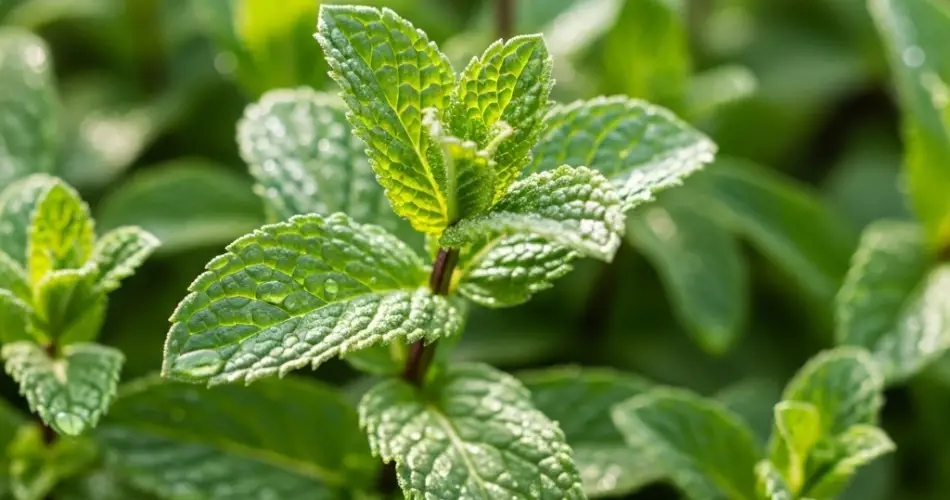
If you’ve tried growing plants before and failed, mint is your perfect comeback plant. It’s one of the easiest herbs to grow—even for people who consider themselves “plant killers.” With a fresh, fragrant aroma and endless culinary uses, mint is a rewarding and fast-growing addition to any windowsill, balcony, or garden.
This step-by-step guide will show you how to germinate mint easily from seeds or cuttings, care for it with minimal effort, and enjoy a thriving mint plant even if you’ve never succeeded with gardening before.
Why Mint Is Perfect for Beginners
Mint is a hardy perennial herb that grows vigorously in many conditions. It tolerates partial sunlight, inconsistent watering, and even a bit of neglect. Whether you grow it in soil, water, or containers, mint is incredibly forgiving—and that makes it ideal for absolute beginners.
Step 1: Choose How You’ll Grow It — Seeds or Cuttings
From seeds: Starting from seeds takes more time and patience but is rewarding. Mint seeds are tiny and slow to germinate but they will grow steadily with a bit of care.
From cuttings: This is the faster, easier method. You can take a sprig of mint from the grocery store or a friend’s plant and root it in water or soil.
If you’re new to gardening, starting from cuttings is the most beginner-friendly approach.
Step 2: Germinating Mint from Seeds
If you want to grow mint from scratch, follow these steps:
Materials Needed:
-
Mint seeds
-
Seed tray or shallow container
-
Light potting mix (preferably seed-starting mix)
-
Spray bottle
-
Plastic wrap or humidity dome
Instructions:
-
Fill your tray with moist seed-starting mix.
-
Sprinkle the tiny seeds over the surface—do not bury them. Mint seeds need light to germinate.
-
Mist the surface gently with water using a spray bottle.
-
Cover the tray with plastic wrap or a dome to create a warm, moist environment.
-
Place it in a warm, bright location out of direct sun. A windowsill works well.
-
Seeds typically germinate in 7 to 14 days. Keep the soil moist but not soggy.
-
Once seedlings appear and grow to about 2 inches tall, thin them out and transplant to larger pots if needed.
Step 3: Germinating Mint from Cuttings
This is a nearly foolproof method:
Materials Needed:
-
Fresh mint sprigs (4–6 inches long)
-
Clean jar or glass
-
Water
-
Sharp scissors or knife
Instructions:
-
Cut just below a leaf node (where the leaves meet the stem).
-
Remove the lower leaves, leaving only the top set.
-
Place the cutting in a glass of water, ensuring no leaves are submerged.
-
Set the glass in indirect sunlight and change the water every 2–3 days.
-
In about 5–10 days, you’ll see white roots forming.
-
Once the roots are at least 1–2 inches long, transplant the cutting into a pot with well-draining soil.
Step 4: Choose the Right Container
Mint grows aggressively and can quickly take over your garden. That’s why growing it in a container is highly recommended for beginners.
-
Choose a pot with drainage holes to prevent waterlogging.
-
Use a light, well-draining potting mix.
-
A 6- to 8-inch pot is enough for one plant, but larger pots will support faster growth.
Step 5: Watering and Sunlight
Mint loves consistently moist soil—not too wet, not too dry.
Watering Tips:
-
Water when the top inch of soil feels dry.
-
Mint doesn’t tolerate drought well, but it also doesn’t like soggy soil.
Sunlight Needs:
-
Mint grows best in partial to full sunlight.
-
If indoors, place it near a bright window that gets at least 4–6 hours of light daily.
Step 6: Harvesting and Maintaining
Start harvesting once the plant is about 6–8 inches tall. Regular harvesting encourages bushier, fuller growth.
How to harvest:
-
Use scissors to snip stems just above a leaf pair.
-
Avoid taking more than one-third of the plant at once.
Maintenance Tips:
-
Pinch off flower buds to keep the plant from going to seed.
-
If it gets leggy, trim it back to encourage compact growth.
Common Mistakes to Avoid
-
Overwatering: Leads to root rot. Let the soil dry slightly between waterings.
-
Poor drainage: Always use pots with holes and well-draining soil.
-
Not harvesting enough: Regular trimming keeps mint lush and prevents it from becoming woody.
Conclusion
Growing mint doesn’t require a green thumb—just a little light, water, and patience. Whether you start from seeds or cuttings, mint is one of the easiest herbs for beginners to grow successfully. Once you get the hang of it, you’ll have a never-ending supply of fresh mint for tea, cooking, and more—all from a windowsill or balcony.
Start today with just a jar of water or a handful of seeds, and in a few weeks, you’ll be enjoying fresh, fragrant mint that you grew yourself—no plant-killing experience required.


