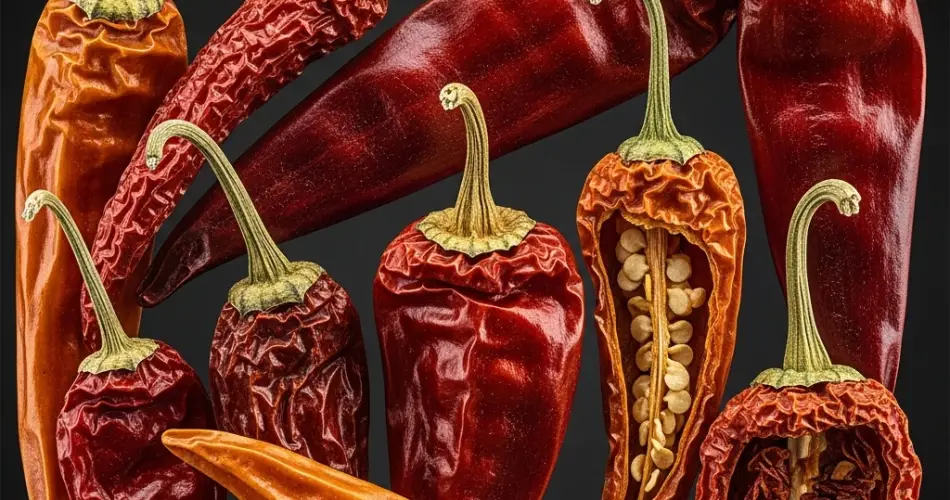
Drying and storing chilis is one of the best ways to preserve your harvest and enjoy their flavor and heat all year long. Whether you grow mild peppers or fiery hot varieties, proper drying methods concentrate their flavor and allow you to use them in a variety of culinary applications—from chili powders to flakes, sauces, and infused oils.
In this guide, you’ll learn the most effective ways to dry your chili peppers, how to store them for long-term use, and tips to preserve their quality, heat, and flavor.
Why Dry Chilis?
Drying removes moisture from chili peppers, which helps prevent spoilage and mold. Dried chilis are lightweight, compact, and shelf-stable. They’re perfect for making:
-
Chili flakes and powder
-
Seasoning blends
-
Rehydrated sauces and pastes
-
Decorative chili ristras
Most importantly, drying preserves their pungency, allowing you to enjoy the heat of your garden-grown peppers long after the growing season ends.
Best Chili Varieties for Drying
While nearly any chili pepper can be dried, thin-walled varieties tend to dry faster and more efficiently. Some excellent options include:
-
Cayenne
-
Thai chili
-
Arbol
-
Serrano
-
Guajillo
-
Pasilla
-
Anaheim
-
Habanero (thinly sliced)
Thick-walled varieties like jalapeños or bell peppers take longer to dry and are more prone to mold if not handled properly. They’re often better suited for oven or dehydrator drying.
Preparing Chilis for Drying
Start with freshly harvested chilis that are firm, ripe, and free from blemishes, mold, or soft spots.
-
Wash thoroughly and dry completely.
-
Sort by size and variety for even drying.
-
Slice thick chilis in half or into strips to speed up drying.
-
Leave thin-walled chilis whole if desired.
Always wear gloves when handling hot peppers, especially during slicing, to avoid skin or eye irritation from capsaicin.
Drying Methods
There are several reliable methods to dry chilis. Choose the one that works best for your space and climate.
1. Air Drying (String or Ristra Method)
Ideal for thin-walled peppers and dry climates.
-
Use a needle and strong thread to string chilis by their stems, leaving space between each one.
-
Hang the string (known as a ristra) in a warm, well-ventilated, shaded location—away from moisture or direct sunlight.
-
Depending on humidity, drying can take 2–4 weeks.
-
When fully dry, chilis will feel brittle and snap easily.
Tip: Use this method for decorative purposes as well as culinary use.
2. Dehydrator Drying
A dehydrator is the most reliable and fastest method.
-
Arrange chilis in a single layer on trays.
-
Set the temperature between 125°F and 135°F (52°C to 57°C).
-
Drying may take 8–24 hours depending on size and water content.
-
Check periodically and rotate trays if necessary.
Advantages: Consistent results, low risk of mold, and energy-efficient compared to ovens.
3. Oven Drying
Good for those without a dehydrator, but requires attention.
-
Preheat the oven to its lowest setting (usually around 150°F or 65°C).
-
Place chilis on a baking tray lined with parchment.
-
Leave the oven door slightly ajar to allow moisture to escape.
-
Drying can take 4–12 hours, depending on thickness.
Warning: Monitor closely to prevent burning. Use fans or ventilation if drying hot peppers, as they release strong fumes.
4. Sun Drying
This method works only in hot, dry climates with low humidity.
-
Place chilis on a mesh rack or tray covered with fine netting.
-
Leave them in full sun during the day and bring them indoors at night to avoid dew.
-
Turn them daily for even drying.
-
Complete drying may take 7–14 days.
How to Tell When Chilis Are Fully Dried
Dried chilis should:
-
Feel crisp and brittle (not leathery or rubbery)
-
Snap cleanly when bent
-
Appear shrunken and slightly darker in color
If they’re pliable or soft, they may still contain moisture and risk molding in storage.
Storing Dried Chilis
Once fully dried, chilis must be stored properly to preserve their flavor and potency.
1. Whole Dried Chilis
-
Store in airtight containers such as glass jars or vacuum-sealed bags.
-
Keep in a cool, dark, dry place—like a pantry or cupboard.
-
Properly stored, they can last up to 1–2 years with minimal flavor loss.
2. Crushed or Ground Chilis
-
Use a spice grinder or mortar and pestle to crush dried chilis into flakes or powder.
-
Store in labeled, airtight containers away from direct sunlight and heat.
-
Grinding just before use ensures the freshest flavor.
Tips for Long-Term Storage
-
Add a food-safe desiccant packet to jars to absorb moisture.
-
Label containers with the variety and date of drying.
-
If you live in a humid climate, refrigerate or freeze dried chilis to extend their shelf life.
Rehydrating Dried Chilis
To use dried chilis in sauces or cooking:
-
Soak them in hot water for 15–30 minutes until softened.
-
Remove stems and seeds if desired.
-
Blend into sauces, soups, or stews for added depth and heat.
Final Thoughts
Drying chilis is a practical and flavorful way to extend your harvest well beyond the growing season. With just a little effort, you can stock your pantry with vibrant, aromatic peppers that pack a punch in any dish. Whether you dry them whole, grind them into spice blends, or rehydrate them for sauces, your homegrown chilis will continue to add flavor and heat to your cooking all year round.


