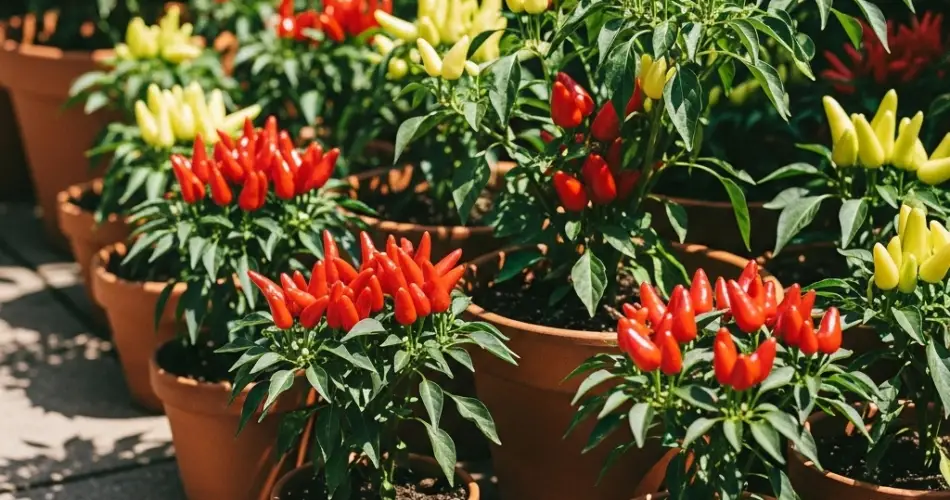
You don’t need a backyard or large garden space to grow your own chili peppers. With the right setup and care, chili plants thrive in containers, making them perfect for balconies, patios, and even sunny windowsills. Whether you’re after mild jalapeños or spicy Thai chilis, growing these fiery plants in pots is both rewarding and practical.
This guide covers everything balcony gardeners need to know to successfully grow healthy, productive chili plants in containers.
1. Choosing the Right Chili Variety for Containers
Not all chili varieties grow equally well in pots, so choosing compact or small-fruited types is a smart start. Look for varieties bred for container gardening or those that naturally stay smaller.
Great varieties for pots include:
-
Cayenne – prolific and moderately hot
-
Bird’s Eye/Thai chili – compact and very spicy
-
Jalapeño – good size and productivity for containers
-
Hungarian Wax – hardy and mild to medium in heat
-
Numex Twilight – colorful ornamental with edible fruits
Smaller pepper varieties often mature faster and produce more fruit in tight spaces.
2. Selecting the Best Container
Chili plants have a moderately deep root system, so they need a container that offers room to grow without being overly large.
Container tips:
-
Use pots at least 12–14 inches deep and 12 inches wide.
-
Choose containers with drainage holes to prevent waterlogging.
-
Use fabric grow bags, plastic pots, or clay containers depending on your space and climate. Fabric pots offer excellent drainage and root aeration.
Self-watering planters can be especially useful for hot balconies where soil dries quickly.
3. Use High-Quality Potting Mix
The soil you choose for your potted chilis plays a major role in plant health. Garden soil is usually too heavy and may compact in containers.
Recommended mix:
-
A lightweight, well-draining potting mix designed for vegetables or herbs.
-
Add perlite or coco coir to improve aeration.
-
Mix in compost or worm castings for a natural nutrient boost.
Avoid using recycled or compacted soil, which can suffocate roots and hinder growth.
4. Position for Maximum Sunlight
Chili peppers love warmth and sun. For container-grown plants, ensuring proper sunlight is key to strong growth and high yields.
Lighting tips:
-
Place pots where they receive at least 6–8 hours of direct sun daily.
-
South or west-facing balconies are ideal.
-
Use reflective surfaces (like white walls or trays) to boost light exposure in small or shaded spaces.
-
Rotate pots every few days to ensure even sun exposure and balanced growth.
In lower-light settings, supplement with grow lights to keep your chili plants happy.
5. Watering Wisely in Containers
Chili plants in pots dry out faster than those in the ground, especially in sunny or windy balcony environments.
Watering tips:
-
Water deeply when the top 1–2 inches of soil feel dry.
-
Avoid overwatering; soggy soil leads to root rot.
-
During hot weather, daily watering may be necessary.
-
Use mulch like straw or coconut husk to help retain moisture.
A drip irrigation system or self-watering planter can reduce daily maintenance during summer.
6. Fertilize Regularly for Healthy Growth
Potted plants need consistent feeding since nutrients leach out of the soil more quickly with watering.
Fertilizer schedule:
-
Use a balanced organic liquid fertilizer every 2 weeks during early growth.
-
Switch to a low-nitrogen, high-potassium fertilizer once flowering starts to support fruit development.
-
Homemade compost tea or diluted fish emulsion are excellent natural boosters.
Avoid over-fertilizing, which can lead to excessive leafy growth and few fruits.
7. Prune and Support Your Plants
Container-grown chilis benefit from occasional pruning and support to maximize airflow and space use.
Tips:
-
Pinch off early flowers to encourage stronger root and stem development.
-
Prune side shoots if the plant becomes too bushy or crowded.
-
Use bamboo stakes or small cages for tall varieties to keep them upright.
Pruning also helps sunlight reach inner leaves and reduces the chance of pests.
8. Watch for Pests on Balconies
Even in urban spaces, potted chili plants can attract pests like aphids, whiteflies, or spider mites.
Natural control methods:
-
Spray plants with a neem oil solution every couple of weeks.
-
Introduce beneficial insects like ladybugs, if possible.
-
Remove any infested leaves promptly and isolate affected plants.
Good airflow, regular cleaning, and pest monitoring will help keep your balcony garden healthy.
9. Harvest Regularly to Encourage More Fruit
Once your chilis mature, harvest them often to stimulate the plant to produce more. Use scissors or garden shears to snip off fruits rather than pulling them, which can damage branches.
Tip: Chilis can be harvested green or left to ripen for full flavor and heat, depending on the variety.
Conclusion
Growing chili peppers in pots is a perfect solution for gardeners with limited space. With plenty of sun, rich potting soil, proper watering, and a little care, you can enjoy a plentiful harvest of homegrown chilis right from your balcony. Whether you’re spicing up meals or simply enjoying the colorful plants, container chili gardening is both satisfying and surprisingly simple.


