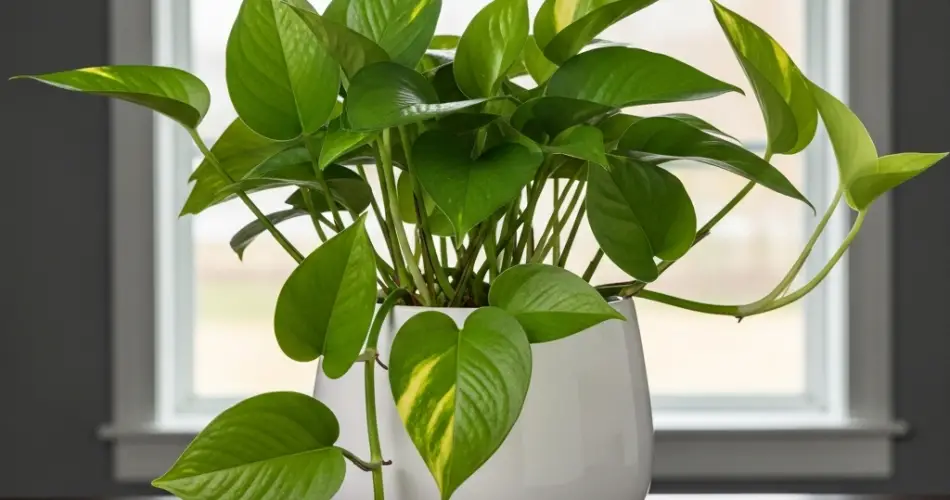
If you’re new to gardening and worried about keeping a plant alive, pothos might just be your perfect match. Known for being one of the easiest and most forgiving houseplants, pothos (Epipremnum aureum) thrives even under the care of absolute beginners.
Pothos is famous for its glossy, heart-shaped leaves, fast growth, and ability to purify indoor air. It can tolerate neglect, low light, and irregular watering—making it ideal for busy people or those just starting their plant journey. Here’s how you can grow and enjoy a lush, healthy pothos with zero gardening experience.
Why Pothos Is Ideal for Beginners
Pothos is often recommended to first-time plant owners for its remarkable resilience and adaptability. Here’s why it’s a great starter plant:
-
Low maintenance: Doesn’t require constant care or a strict routine.
-
Tolerant of low light: Can grow in shaded areas or dim rooms.
-
Drought-resistant: Forgives missed waterings.
-
Visually rewarding: Grows long, elegant vines quickly.
-
Easy to propagate: You can grow more plants from just one.
Even if you’ve never cared for a plant before, pothos will give you visible results and build your confidence.
Step 1: Get a Healthy Starter Plant
Start with a small pothos plant from a local garden center, grocery store, or nursery. Look for one with firm, green leaves, and avoid plants with brown tips, soft stems, or signs of pests.
There are several varieties to choose from:
-
Golden Pothos: Green leaves with yellow variegation.
-
Marble Queen: Creamy white and green marbled leaves.
-
Neon Pothos: Bright lime-green foliage.
-
Jade Pothos: Solid green leaves, great for low light.
Any of these varieties will be easy to care for and visually striking.
Step 2: Find the Right Spot
Pothos is very adaptable to different lighting conditions. It prefers bright, indirect sunlight, but also grows well under fluorescent lights or in shaded corners.
Avoid placing your pothos in direct sunlight, especially near windows where the light is intense—this can scorch the leaves. For apartments or offices with little natural light, pothos is one of the best choices.
Step 3: Use a Proper Pot and Soil
Pothos doesn’t need fancy soil—just use a basic indoor potting mix that drains well. Avoid garden soil, which can be too dense and retain too much water.
Choose a pot with drainage holes to prevent water from pooling at the bottom. Too much moisture can cause root rot, one of the few things pothos won’t tolerate.
Step 4: Water Occasionally, Not Daily
One of the biggest mistakes beginners make is overwatering. Pothos actually prefers to dry out a bit between waterings. Wait until the top inch of soil feels dry to the touch, then water thoroughly until water drains out of the bottom.
Typical watering frequency:
-
Every 7–10 days in warmer months.
-
Every 2–3 weeks in cooler months or low light conditions.
If the leaves start to droop, it usually means the plant is thirsty. After watering, it will perk up again within a day.
Step 5: Minimal Feeding, Maximum Growth
Fertilizer isn’t essential, but it helps speed up growth and supports healthier foliage. Use a balanced, diluted liquid fertilizer (like 10-10-10) once a month during spring and summer. There’s no need to fertilize in winter, when growth slows naturally.
Step 6: Train and Display Creatively
Pothos can be styled in different ways depending on your space. Let it trail down a bookshelf, hang from a ceiling hook, or climb a moss pole or wall. As it grows, you can guide or trim it to suit your design.
If it starts looking leggy (too long and thin), snip back the vines just above a leaf node. This encourages fuller, bushier growth.
Step 7: Propagate for More Plants
Pothos propagation is incredibly easy and rewarding. You can grow new plants from cuttings using just a glass of water:
-
Cut a vine just below a leaf node.
-
Remove the bottom leaf.
-
Place the cutting in water and wait for roots to grow.
-
After a few weeks, plant the cutting in soil.
This is a fun way to multiply your plants or share them with friends.
Step 8: Watch for Common Issues
Even the toughest plants have a few basic needs. Here’s how to troubleshoot common problems:
-
Yellow leaves: Usually caused by overwatering.
-
Brown tips: Can be due to dry air or inconsistent watering.
-
Pale or faded leaves: May indicate too little light.
-
No growth: Likely due to low light or the plant being root-bound.
If you spot pests like mealybugs or spider mites (rare, but possible), wipe the leaves with a damp cloth and treat with neem oil or insecticidal soap.
Final Thoughts
Caring for pothos is one of the easiest and most satisfying ways to bring greenery into your home. Even if you’ve never watered a plant before, this hardy vine will grow, thrive, and reward you with lush, trailing leaves in just a few weeks.
With a little attention and the right conditions, you can develop a pothos plant that not only survives but becomes the first of many thriving additions to your indoor garden.