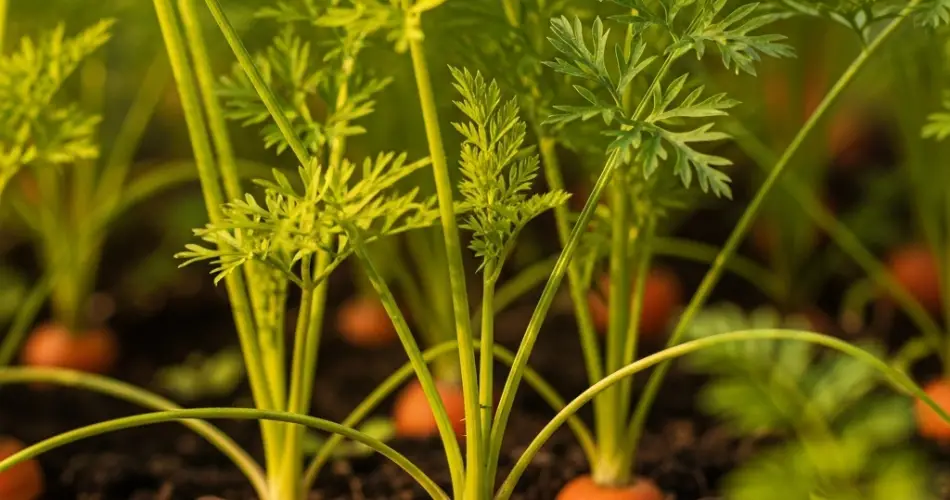
Carrots are among the most rewarding root vegetables you can grow at home. With their sweet, crisp texture and vibrant color, freshly harvested carrots are far superior to store-bought varieties. Best of all, they’re relatively easy to grow with the right soil, timing, and care. Whether you have a large garden or just a deep container on a balcony, cultivating carrots like a seasoned expert is well within your reach.
Here’s how to ensure a successful carrot harvest from seed to table.
1. Choose the Right Carrot Variety
Not all carrots are created equal. Some are short and round, ideal for shallow soils and containers, while others grow long and slender and require deeper planting beds. Before you begin, choose a variety that suits your space and soil conditions.
-
‘Thumbelina’ or ‘Parisian’ carrots are great for small containers and clay soils.
-
‘Nantes’ and ‘Chantenay’ are classic types that do well in most gardens.
-
‘Imperator’ carrots, with their long roots, need loose, deep soil to develop fully.
Reading the seed packet will help you select the right variety and understand its specific growing time and ideal soil depth.
2. Prepare the Soil Properly
The quality of your soil has a major impact on carrot growth. Carrots need loose, well-draining, sandy or loamy soil. Avoid heavy clay soils or those with stones and debris, as these can cause carrots to fork or grow in strange shapes.
Before planting, work the soil to a depth of at least 10–12 inches and remove any rocks or compacted clumps. Mix in a small amount of compost or aged manure, but avoid fresh manure or high-nitrogen fertilizers, which encourage leafy growth at the expense of root development.
3. Sow Carrot Seeds Directly
Carrots don’t transplant well, so always sow seeds directly into the soil where you want them to grow. Plant seeds about 1/4 inch deep and 1 to 2 inches apart in rows that are 12–18 inches apart.
Because carrot seeds are tiny and slow to germinate, you might mix them with a bit of sand to make sowing easier and more even. Keep the soil moist but not soggy until germination occurs, which can take 10–21 days depending on temperature.
To help with visibility, many gardeners sow radish seeds alongside carrots. Radishes sprout quickly and can help mark the rows while the carrots slowly emerge.
4. Thin Seedlings for Strong Roots
Once your carrot seedlings are about 2 inches tall, thin them so that each plant is spaced about 2–3 inches apart. Though it may feel counterintuitive to remove healthy sprouts, thinning ensures each carrot has enough room to grow straight and reach full size.
You can use scissors to snip off extra seedlings at the soil level rather than pulling them out, which avoids disturbing the neighboring roots.
5. Water Consistently
Carrots require consistent moisture to grow evenly. Irregular watering can lead to split roots or a bitter taste. Aim to water the soil thoroughly once or twice a week, depending on weather and soil type, ensuring it stays evenly moist but never waterlogged.
Mulching with straw or shredded leaves helps retain soil moisture and reduces weed competition.
6. Watch for Pests and Diseases
While carrots are relatively low-maintenance, they can attract a few pests:
-
Carrot rust flies lay eggs near carrot tops, and their larvae tunnel into the roots.
-
Aphids and leafhoppers may feed on foliage and spread disease.
To minimize pest issues, use row covers after planting and rotate your crops yearly. Practice good garden hygiene by removing plant debris and thinning seedlings properly.
7. Harvest at the Right Time
Carrots are usually ready to harvest 60–80 days after planting, depending on the variety. You’ll know they’re mature when the shoulders of the carrots start to show above the soil line and reach the advertised diameter.
Loosen the soil around the carrots before pulling them up to avoid breakage. If you’re unsure, harvest one as a test. For a continuous harvest, sow small batches every 2–3 weeks through the growing season.
8. Store or Enjoy Immediately
After harvesting, cut off the green tops to prevent moisture loss from the roots. Rinse the carrots and let them dry completely before storing in the refrigerator. Carrots can keep for several weeks in the crisper drawer or a cool root cellar.
For long-term storage, carrots can also be blanched and frozen, pickled, or juiced.
Final Thoughts
Growing carrots like a seasoned gardening expert involves careful attention to soil quality, spacing, and consistent care. While they may take a bit of patience to germinate and grow, the reward of sweet, crisp carrots from your own garden is well worth the wait. With these expert tips, you can enjoy beautiful, healthy carrots—whether you’re cultivating a backyard row or a container garden on your balcony.


