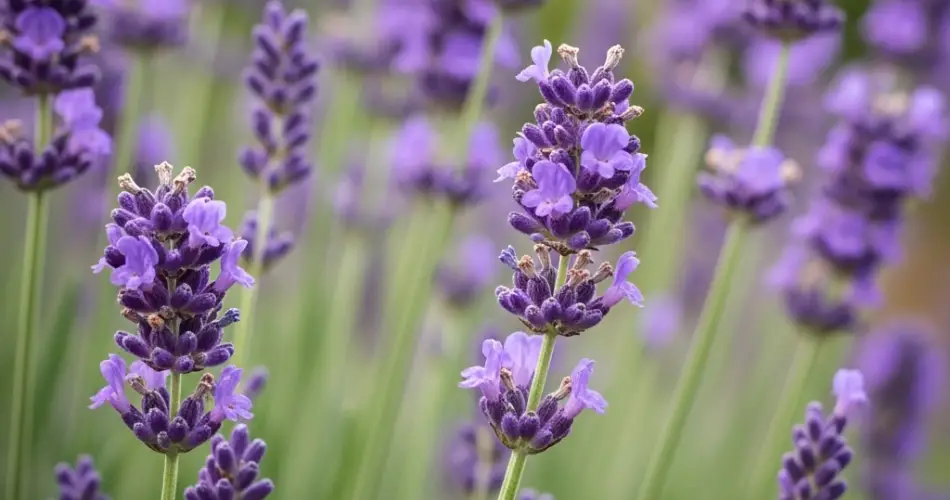
Lavender is one of the most cherished herbs in any garden. With its soothing scent, striking purple flowers, and numerous uses in wellness, cooking, and décor, it’s easy to see why gardeners are drawn to it. But growing lavender from seed can be a slow and tricky process if you’re not prepared.
Fortunately, with the right approach, you can grow healthy, vibrant lavender plants from seed to stunning in record time. Whether you’re a first-time grower or looking to expand your herb garden, this guide will help you nurture lavender efficiently from the very beginning.
Why Start Lavender from Seed?
Starting lavender from seed is more time-consuming than buying a nursery plant, but it offers major benefits:
-
Cost-effective: A single seed packet can produce dozens of plants.
-
Variety: You’ll find more lavender types available in seed form than at local nurseries.
-
Satisfaction: Watching your plants grow from seed is a rewarding experience.
That said, lavender seeds require patience, warmth, and the right timing to germinate successfully.
Step 1: Choose the Right Lavender Variety
Some lavender types germinate more reliably from seed than others. Choose varieties known for better seed success:
-
Lavandula angustifolia (English lavender) – Best for cool climates; compact and fragrant.
-
Lavandula x intermedia (Lavandin) – A hybrid with larger blooms and stronger fragrance.
-
Lavandula stoechas (Spanish lavender) – Known for its unique “rabbit ear” bracts and faster germination.
Step 2: Prepare Seeds with Cold Stratification
Lavender seeds benefit from a cold treatment called stratification, which mimics winter and improves germination.
Here’s how:
-
Place seeds between moist paper towels or in a damp seed-starting mix.
-
Seal them in a plastic bag or airtight container.
-
Store in the refrigerator (not freezer) for 2–4 weeks.
This breaks seed dormancy and preps them for sprouting.
Step 3: Sow Seeds Indoors
After stratification, sow your seeds indoors 10–12 weeks before the last expected frost.
What You’ll Need:
-
Seed trays or shallow containers
-
Lightweight seed-starting mix
-
A spray bottle
-
A humidity dome or clear plastic cover
-
Warmth and light
How to Sow:
-
Fill containers with moist seed-starting mix.
-
Press seeds gently onto the surface—don’t bury deeply, as they need light to germinate.
-
Mist lightly and cover with a dome or plastic wrap.
-
Place trays in a warm spot (65–70°F / 18–21°C) with bright light—use grow lights or a sunny windowsill.
Lavender seeds may take 2–4 weeks to germinate. Keep soil moist but never soggy.
Step 4: Care for Lavender Seedlings
Once seeds sprout:
-
Remove the plastic dome to prevent mold.
-
Provide 12–16 hours of light daily to prevent leggy growth.
-
Thin seedlings so each has space to grow.
-
Begin gentle airflow (a fan on low) to strengthen stems and prevent fungal issues.
When seedlings develop 3–4 sets of true leaves, they’re ready for transplanting.
Step 5: Harden Off and Transplant Outdoors
About two weeks before planting outdoors, harden off your lavender by gradually introducing it to outdoor conditions:
-
Start with 1–2 hours of morning sun and light breeze per day.
-
Increase exposure gradually over 7–10 days.
Then, transplant your lavender into the garden or pots.
Outdoor Tips:
-
Choose a sunny, well-draining spot—lavender hates wet roots.
-
Space plants 12–18 inches apart to allow airflow.
-
Mix sand or gravel into the soil if it’s too dense or holds moisture.
Lavender thrives in poor, rocky soils more than rich, water-retentive ones.
Step 6: Speed Up Growth with Smart Care
Even though lavender is a slow starter, you can help it grow faster and bloom sooner with the following care:
-
Water wisely: Let soil dry out between waterings. Once established, lavender is drought tolerant.
-
Prune young plants: Pinch the tips when plants are 4–6 inches tall to promote bushier growth.
-
Avoid over-fertilizing: Too much nitrogen encourages foliage over flowers. A light compost mulch in spring is enough.
-
Weed regularly: Competing weeds can stunt young lavender’s growth.
With good sun, drainage, and airflow, your plants will quickly gain strength and beauty.
Step 7: Enjoy and Harvest
By midsummer, first-year lavender may begin to bloom lightly. Don’t be discouraged if flowering is minimal—most varieties bloom more prolifically in their second year.
To harvest:
-
Cut flower stems just as the lowest buds begin to open.
-
Harvest in the morning for the strongest fragrance.
-
Dry by hanging upside down in a shaded, airy space.
You can use dried lavender for sachets, teas, oils, or crafts.
Final Thoughts
While growing lavender from seed takes a bit more patience than planting from cuttings or nursery stock, it’s a deeply satisfying process. By choosing the right variety, stratifying seeds, and giving them a healthy start indoors, you can go from seed to stunning lavender plants faster than you thought possible.
With proper care, your backyard or balcony will soon be bursting with color and calming fragrance—and all from a few tiny seeds.


