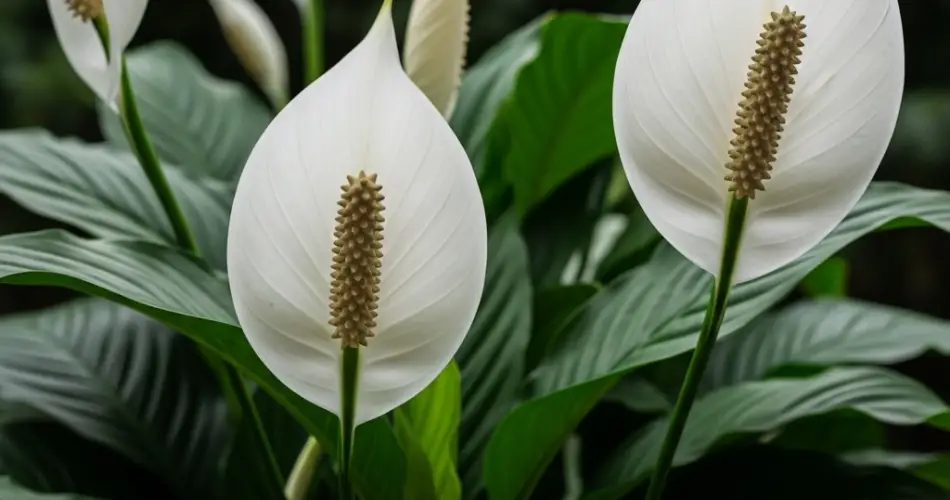
The Peace Lily (Spathiphyllum) is one of the most popular indoor plants, admired for its glossy green leaves and graceful white spathes that resemble flowers. While it’s often chosen for its air-purifying qualities and low-maintenance nature, getting a Peace Lily to bloom consistently takes more than just the occasional watering.
If your Peace Lily isn’t producing its signature white blooms—or has stopped blooming altogether—don’t worry. With the right care and growing conditions, you can encourage it to flower more frequently and stay healthy year-round.
Here’s how to properly care for your Peace Lily and help it bloom beautifully.
1. Provide the Right Light
Peace Lilies prefer bright, indirect light. While they can survive in low-light conditions, they’re unlikely to bloom in dim spaces.
Lighting tips:
-
Place your plant near a window with filtered sunlight.
-
Avoid direct sun, especially afternoon rays, which can scorch the leaves.
-
If your Peace Lily is in a dark corner, consider moving it closer to a light source or using a grow light.
Proper lighting is essential for bloom production, as inadequate light is one of the most common reasons for a lack of flowers.
2. Keep the Temperature Comfortable
Peace Lilies thrive in warm, stable temperatures. Sudden drops or drafts can stress the plant and hinder blooming.
Ideal temperature range:
-
Daytime: 65°F to 80°F (18°C to 27°C)
-
Nighttime: No lower than 55°F (13°C)
Avoid placing your plant near vents, radiators, or cold windows during winter. A stable, warm environment mimics its natural tropical habitat and encourages better growth and flowering.
3. Water Properly—But Don’t Overdo It
Peace Lilies like consistently moist soil, but they don’t tolerate soggy roots. Overwatering can cause root rot, while underwatering leads to drooping leaves and stress.
Watering tips:
-
Water when the top inch of soil feels dry to the touch.
-
Use room-temperature water.
-
Ensure the pot has drainage holes to prevent water buildup.
-
Allow excess water to drain completely—never let the plant sit in standing water.
Watch your plant for signs: drooping usually means it needs water, but if it continues to droop after watering, the roots may be oversaturated.
4. Use the Right Soil and Pot
Peace Lilies need well-draining soil that retains some moisture but doesn’t become compacted. A mix designed for indoor tropical plants or a general-purpose potting mix with added perlite or orchid bark works well.
Potting tips:
-
Choose a pot with good drainage.
-
Repot every 1–2 years to refresh the soil and give the roots more room to grow.
Root-bound plants may stop blooming, so if you notice roots growing out of the pot or the plant seems stunted, it’s time for a larger container.
5. Fertilize for Blooms
While Peace Lilies don’t need heavy feeding, they benefit from occasional fertilizing—especially during spring and summer, their active growing season.
Fertilizer tips:
-
Use a balanced liquid houseplant fertilizer (e.g., 20-20-20) every 6–8 weeks.
-
Dilute the fertilizer to half strength to avoid overfeeding.
-
Avoid fertilizing in fall and winter when the plant’s growth slows down.
Over-fertilizing can lead to salt buildup, leaf browning, and reduced blooms. Always follow label instructions carefully.
6. Prune to Promote Healthy Growth
Dead or yellowing leaves can sap energy from the plant. Regular pruning keeps the Peace Lily looking its best and can direct energy toward new blooms.
Pruning tips:
-
Use clean, sharp scissors.
-
Cut browning leaves at the base.
-
Remove spent blooms once they begin to fade.
Keeping the plant tidy helps prevent pests and encourages more vigorous growth.
7. Boost Humidity
Peace Lilies love humidity, thanks to their tropical origins. Dry indoor air can stress the plant and reduce flowering potential.
Ways to increase humidity:
-
Mist the leaves with water (avoid misting the blooms).
-
Place a humidity tray with pebbles and water beneath the pot.
-
Use a humidifier, especially during dry winter months.
-
Group plants together to create a naturally more humid microclimate.
8. Be Patient with Blooms
Even in ideal conditions, Peace Lilies typically bloom only a few times a year, often in spring and occasionally in fall. If your plant is otherwise healthy, just be patient—it may simply not be its blooming season.
Older plants tend to bloom more reliably than younger ones, and newly repotted or relocated plants may take a few weeks to adjust before flowering again.
Final Thoughts
Peace Lilies are elegant, resilient plants that, with the right care, will reward you with beautiful, long-lasting blooms and lush green foliage. The key to success lies in balancing light, water, and humidity while avoiding overfeeding or placing the plant in extreme conditions.
By mimicking the Peace Lily’s natural tropical environment and giving it a bit of attention, you’ll enjoy a thriving plant that blooms time and again—bringing peace, beauty, and a breath of fresh air to your indoor space.


