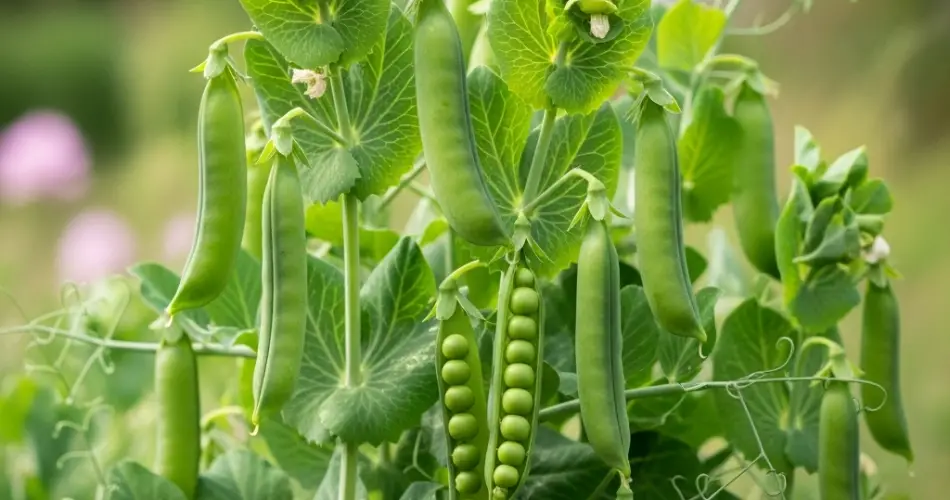
Peas are a rewarding crop for home gardeners—easy to grow, quick to mature, and rich in flavor and nutrition. Whether you’re cultivating snap peas, snow peas, or garden peas, using natural fertilizers can significantly improve your yield and plant health. Since peas are light feeders and nitrogen-fixing legumes, the key to boosting production lies in balanced nutrition and maintaining healthy soil.
By using organic materials and natural soil amendments, you not only nourish your pea plants but also create a thriving ecosystem for beneficial microbes and long-term soil fertility. Here’s how to use natural fertilizers to maximize your pea harvest.
Understanding What Peas Need
Before applying any fertilizer, it’s important to understand what peas actually require. As legumes, peas have the unique ability to fix atmospheric nitrogen through a symbiotic relationship with rhizobia bacteria in their root nodules. This means they typically don’t need high amounts of nitrogen fertilizer like many other vegetables.
However, peas still need other essential nutrients, including:
-
Phosphorus (P): Promotes strong root development and early plant vigor.
-
Potassium (K): Supports flowering and pod formation.
-
Calcium and Magnesium: Help build strong plant cells and improve overall plant structure.
-
Micronutrients: Such as sulfur, boron, and zinc, which support various metabolic functions.
Feeding peas with balanced, natural fertilizers ensures the plants produce more flowers, set more pods, and mature with excellent taste and texture.
Best Natural Fertilizers for Peas
1. Compost
Compost is the cornerstone of organic gardening. It improves soil texture, boosts microbial activity, and provides a broad spectrum of nutrients in small, consistent amounts. It’s especially useful during soil preparation before planting.
How to use:
Mix 2–3 inches of mature compost into the top 6–8 inches of soil before sowing pea seeds. You can also side-dress the plants with compost once they begin flowering.
2. Bone Meal
Rich in phosphorus and calcium, bone meal supports strong root growth and healthy flower development—crucial for early establishment and better yields in pea plants.
How to use:
Sprinkle 1 tablespoon per plant or 1/2 cup per square foot into the planting area and mix well with the soil. Use it before or at planting time for best results.
3. Wood Ash
Wood ash provides potassium and calcium—both important for healthy pods and disease resistance. Use only ash from untreated, natural wood.
How to use:
Sprinkle a thin layer around the base of pea plants or mix it into the topsoil. Avoid using large amounts, especially in already alkaline soils, as it can raise the soil pH too much.
4. Seaweed Extract or Kelp Meal
Seaweed is a great source of potassium and micronutrients, and it promotes root health, stress resistance, and flowering. Liquid extracts are excellent for foliar feeding.
How to use:
Apply diluted liquid seaweed as a foliar spray every two weeks after germination. Alternatively, mix kelp meal into the soil at planting time.
5. Vermicompost (Worm Castings)
Worm castings are rich in nutrients and beneficial microbes, providing gentle feeding and improving soil structure. They help peas develop strong, healthy root systems without overwhelming them with nitrogen.
How to use:
Incorporate worm castings into your seed-starting mix or top-dress around plants every 3–4 weeks.
6. Fish Emulsion
This natural fertilizer is rich in nitrogen, phosphorus, and trace minerals. While peas don’t need much nitrogen, a small dose of fish emulsion early in the growing season can support young plant growth.
How to use:
Dilute fish emulsion according to the label and apply every 2–3 weeks until the flowering stage. Avoid using it after flowering begins, as too much nitrogen at that stage can reduce pod formation.
How to Apply Natural Fertilizers for Best Results
-
Before planting: Work compost, bone meal, and kelp meal into the soil to give young plants a healthy start.
-
At flowering stage: Side-dress with compost or worm castings, and apply liquid seaweed for a boost in bloom and pod production.
-
Avoid over-fertilizing: Excess nitrogen can lead to lush foliage but fewer pods. Focus on phosphorus and potassium after initial growth.
-
Mulch: Use straw, shredded leaves, or compost mulch around the base of plants to conserve moisture, suppress weeds, and slowly feed the soil.
Additional Tips to Boost Pea Production Naturally
-
Inoculate seeds with rhizobia bacteria: This enhances nitrogen fixation and promotes strong plant growth, especially in new garden beds.
-
Provide support: Use trellises or stakes to keep plants off the ground, improving air circulation and making harvesting easier.
-
Water wisely: Keep soil evenly moist, especially during flowering and pod development. Inconsistent watering can result in poor pod formation.
-
Practice crop rotation: Avoid planting peas in the same location every year to prevent disease and nutrient depletion.
Final Thoughts
Natural fertilizers offer a sustainable and effective way to boost pea production without relying on synthetic chemicals. By understanding what nutrients peas need—and when to provide them—you’ll encourage healthier plants, higher yields, and tastier pods. With compost, bone meal, seaweed, and other organic amendments, you can create a thriving, nutrient-rich garden environment that supports peas and other crops for seasons to come.