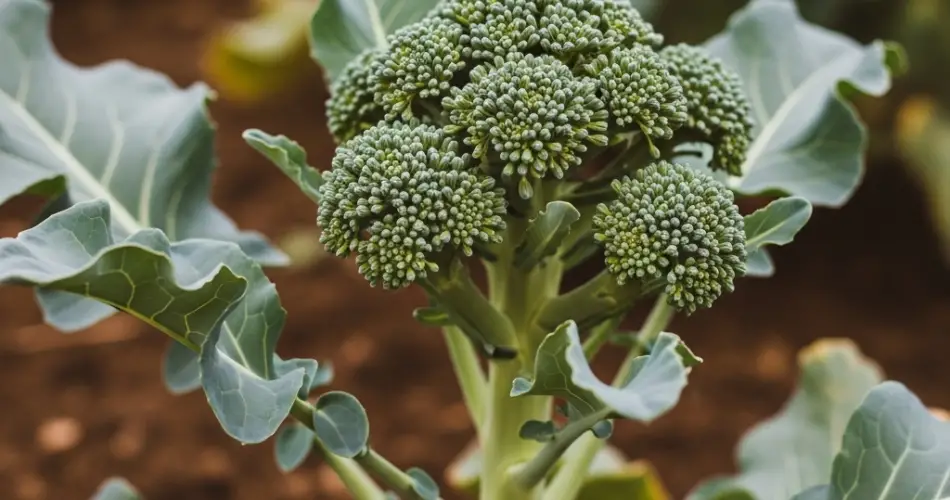
Broccoli is a popular and nutritious cool-season crop packed with vitamins, minerals, and antioxidants. It’s a favorite among home gardeners for its health benefits, versatile use in the kitchen, and relatively straightforward care. But to grow firm, healthy heads, broccoli requires the right growing conditions—especially when it comes to sunlight.
Understanding how much sun broccoli really needs can make a big difference in the size, flavor, and overall success of your harvest. If you’re planning to grow broccoli at home, here’s what you need to know about its light requirements and how to meet them.
Why Sunlight Matters for Broccoli
Like all green, leafy vegetables, broccoli relies heavily on sunlight to perform photosynthesis. This process allows the plant to convert light into energy, which it uses to develop strong roots, lush leaves, and—most importantly—a compact, tasty head. Without enough sun, the plant struggles to produce the energy needed to grow vigorously and will often become leggy, weak, or fail to form heads at all.
How Much Sun Does Broccoli Need?
Broccoli needs at least 6 hours of direct sunlight per day, but ideally, it should receive 6 to 8 hours of full sun for optimal growth and head development. This amount of sunlight helps the plant stay healthy, resist pests, and produce full, tightly packed heads.
In regions with milder climates or partial cloud cover, broccoli can tolerate slightly less than 6 hours, but the yields may be smaller and slower to mature. In shady conditions, plants will grow tall and spindly and may bolt (flower) prematurely without forming usable heads.
Best Sunlight Conditions by Season
Broccoli thrives in cooler temperatures, making spring and fall the best seasons for planting in most climates. The cooler weather helps prevent bolting and keeps the heads tight and flavorful. However, regardless of the season, adequate sunlight remains essential.
-
Spring: Position broccoli in the sunniest part of your garden. Longer daylight hours combined with cooler temperatures create an ideal growing window.
-
Fall: As days shorten, maximizing sunlight exposure becomes even more important. Choose a spot with full exposure, ideally with afternoon sun, to help combat the cooler, slower-growing conditions.
-
Winter (in warm zones): If you live in a mild or subtropical climate, winter-grown broccoli still requires full sun to reach maturity.
Can Broccoli Grow in Partial Shade?
While broccoli prefers full sun, it can tolerate partial shade, especially in hot climates. In areas with very intense afternoon sun, a bit of shade in the late afternoon can help prevent heat stress and bolting. However, if your broccoli receives fewer than 4 hours of direct sunlight daily, expect slower growth and smaller heads.
For partially shaded gardens:
-
Prioritize morning sunlight.
-
Avoid growing near tall structures or dense tree canopies that block light.
-
Use reflective surfaces (like white walls or light-colored mulch) to help bounce extra light onto the plants.
Sunlight Tips for Container and Raised Bed Growers
If you’re growing broccoli in containers or raised beds, you have the advantage of mobility and soil control. Here’s how to optimize sunlight exposure:
-
Move containers to follow the sun if you’re limited on sunny space.
-
Place containers on stands or plant shelves to avoid shade from surrounding objects.
-
Group plants by sun needs, placing sun-loving crops like broccoli at the front or top of the setup.
-
Rotate pots regularly so all sides of the plant receive equal sun exposure.
Other Factors That Support Healthy Broccoli Growth
In addition to sunlight, broccoli benefits from a few other conditions to ensure a productive harvest:
-
Soil: Well-draining, fertile soil rich in organic matter. A pH between 6.0 and 7.0 is ideal.
-
Water: Keep soil consistently moist but not soggy. Inconsistent watering can affect head formation.
-
Fertilizer: Use a balanced fertilizer or compost tea to provide essential nutrients, especially nitrogen for leafy growth and phosphorus for root development.
-
Spacing: Give each plant enough space—about 18 inches apart—to ensure good airflow and light access to all leaves.
Signs Your Broccoli Needs More Sun
If you’re unsure whether your broccoli is getting enough sunlight, look for the following symptoms:
-
Leggy, elongated stems
-
Sparse or overly large leaves with little central growth
-
Delayed or no head formation
-
Pale or yellowing leaves
-
Early bolting or flowering before head development
These are all signs the plant is struggling to generate enough energy and may benefit from increased sun exposure.
Final Thoughts
Broccoli is a rewarding crop to grow, but it needs the right environment to thrive—especially in terms of sunlight. Aim for 6 to 8 hours of direct sun per day for the best results. In partial-shade situations, focus on maximizing morning sun and supporting the plant with proper watering, soil nutrition, and spacing. With the right combination of care and sunlight, you’ll be harvesting crisp, nutrient-rich broccoli heads straight from your garden in no time.