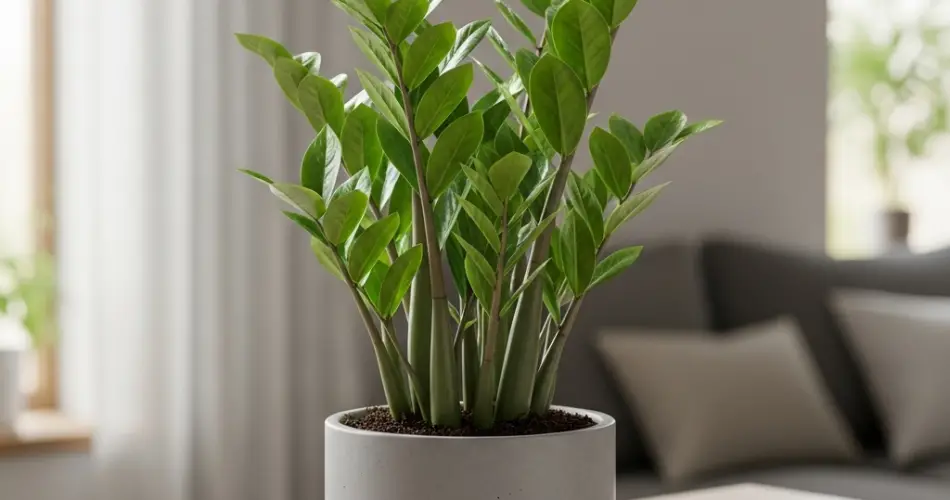
The ZZ plant (Zamioculcas zamiifolia) has become a favorite among plant enthusiasts for its striking appearance and almost indestructible nature. Known for its shiny, deep green leaves and tolerance to neglect, it’s often recommended for beginners or busy plant owners. While this resilient plant can survive weeks without water, many people struggle with one key question: how often should you water a ZZ plant? The answer depends on finding the right balance between too much and too little.
Understanding the ZZ Plant’s Water Needs
In its native regions of Eastern Africa, the ZZ plant has adapted to thrive in dry conditions. It stores water in its thick rhizomes (underground, bulb-like stems), which act as natural reservoirs. This storage system allows the plant to withstand drought and makes it highly forgiving if you forget to water it occasionally.
However, this same adaptation also means the ZZ plant is prone to overwatering. Unlike tropical houseplants that enjoy consistently moist soil, the ZZ plant prefers cycles of drying out between watering. If left sitting in soggy soil, its roots can quickly develop rot.
General Watering Guidelines
There is no one-size-fits-all schedule for watering, but most ZZ plants do well with the following rhythm:
-
Every 2–3 weeks during the growing season (spring and summer).
-
Every 3–4 weeks in fall and winter, when the plant grows more slowly.
The best practice is to water only when the top half of the soil feels dry. In smaller pots, that might mean the top two inches; in larger containers, the top three to four inches should be dry before adding more water.
The “Finger Test” Method
One of the simplest ways to check soil moisture is the finger test. Insert your finger into the soil up to the second knuckle. If it feels dry at that depth, it’s time to water. If it still feels slightly damp, wait a few more days and test again.
This method works well because it considers environmental factors like temperature, humidity, and pot size—all of which affect how quickly soil dries out.
Seasonal Adjustments
Watering frequency should shift depending on the time of year:
-
Spring and summer: The plant is actively growing, so it uses more water. Monitor soil dryness more frequently.
-
Fall and winter: Growth slows significantly, and the plant requires less water. Overwatering during dormancy is one of the biggest risks for ZZ plants.
Adapting your watering schedule to seasonal changes ensures your plant gets exactly what it needs without stress.
How to Water Properly
When it’s time to water your ZZ plant, technique matters just as much as timing:
-
Soak thoroughly: Water until liquid begins to drain from the holes at the bottom of the pot. This ensures the roots receive even moisture.
-
Empty excess: Never leave water sitting in a saucer or cachepot. Standing water leads to root rot.
-
Let it dry: Allow the soil to dry out before the next watering. Remember, the ZZ plant prefers drought to sogginess.
Signs of Overwatering
Overwatering is the most common mistake with ZZ plants. Watch for these signs:
-
Yellowing leaves that eventually fall off.
-
Mushy, soft stems or rhizomes.
-
A musty or sour smell in the soil.
If caught early, reducing watering can help the plant recover. In severe cases, repotting into fresh, well-draining soil may be necessary.
Signs of Underwatering
Although rare, underwatering can also affect a ZZ plant if neglected for too long. Indicators include:
-
Wrinkled or curling leaves.
-
Crispy, brown leaf tips.
-
Soil pulling away from the edges of the pot.
Fortunately, rehydrating a ZZ plant is usually easy. A deep watering followed by consistent care helps the plant bounce back quickly.
Choosing the Right Soil and Pot
Proper watering goes hand-in-hand with using the right growing medium. For ZZ plants:
-
Soil: A fast-draining mix works best, such as regular potting soil combined with perlite or coarse sand.
-
Pot: Always use a container with drainage holes to prevent water from pooling at the bottom.
These choices create an environment where excess water drains away, reducing the risk of rot.
Environmental Factors to Consider
Your ZZ plant’s water needs will also depend on where it lives in your home:
-
Light levels: Plants in bright, indirect light may dry out faster than those in low light.
-
Temperature: Warmer rooms accelerate soil drying.
-
Humidity: Very dry air may require slightly more frequent watering, while higher humidity slows evaporation.
By paying attention to these factors, you’ll develop a watering rhythm tailored to your plant’s conditions.
Conclusion
Finding the right watering balance for a ZZ plant is about observation rather than strict scheduling. In most cases, watering every 2–3 weeks in the growing season and every 3–4 weeks in cooler months is sufficient. Always let the top half of the soil dry out before watering again, and remember that this hardy plant prefers underwatering to overwatering. By combining the right timing, soil, and pot, you’ll keep your ZZ plant thriving with lush, glossy leaves for years to come.


