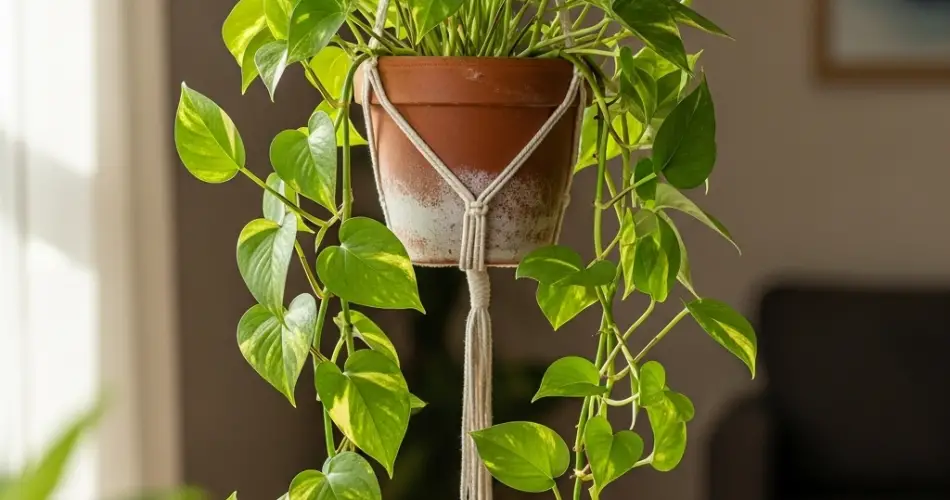
Pothos (Epipremnum aureum), also known as devil’s ivy, is one of the most popular houseplants for good reason. It’s hardy, fast-growing, and forgiving of occasional neglect. With its trailing vines and heart-shaped leaves, it brings lush greenery to any room while purifying the air. While pothos can survive in less-than-ideal conditions, the right feeding routine can make the difference between a plant that merely survives and one that thrives with vibrant growth.
Understanding when and how to fertilize your pothos ensures it maintains its beauty and energy for years to come. Here’s a complete guide to fertilizing pothos the right way.
Why Fertilizing Matters
Pothos is adaptable, but like all plants, it draws nutrients from the soil to grow. Over time, especially in a potting mix that isn’t refreshed often, those nutrients become depleted. Fertilizer replenishes the essential elements that keep your pothos healthy:
-
Nitrogen (N): Promotes lush, green leaf growth.
-
Phosphorus (P): Supports root development and overall plant strength.
-
Potassium (K): Aids in disease resistance and enhances the plant’s resilience.
Without enough nutrients, pothos may grow slowly, produce smaller leaves, or develop yellowing foliage. Fertilizing regularly provides the plant with the energy it needs for continuous, vigorous growth.
Choosing the Right Fertilizer
Pothos isn’t fussy about fertilizer, but choosing the right type makes feeding more effective and safe. Consider these options:
1. Liquid Fertilizer
This is the most popular option for pothos. It’s easy to apply and delivers nutrients quickly. Choose a balanced, water-soluble fertilizer such as a 10-10-10 or 20-20-20 formula. Dilute it to half the recommended strength to avoid overfeeding.
2. Slow-Release Fertilizer
These come in granules or spikes that gradually release nutrients over several months. This option is convenient if you prefer a low-maintenance routine, as it requires feeding only once every few months.
3. Organic Fertilizer
If you prefer a natural option, liquid seaweed, fish emulsion, or compost tea can provide gentle nourishment. These also improve soil health over time and reduce the risk of chemical buildup.
How Often to Fertilize
The feeding schedule depends on the plant’s growth cycle:
-
Spring and Summer (growing season): Fertilize every 4–6 weeks with diluted liquid fertilizer. This is when your pothos is actively producing new vines and leaves.
-
Fall and Winter (dormant period): Growth naturally slows down, so reduce feeding or stop altogether. Over-fertilizing during this time can harm the plant.
Always watch your plant’s response. If it’s growing vigorously, you can stretch out the feeding interval. If growth seems sluggish, a light dose of fertilizer may help.
Step-by-Step Feeding Guide
-
Check the soil moisture: Fertilizer should always be applied to moist soil. Feeding a dry plant can burn the roots. Water lightly first if the soil feels dry.
-
Dilute the fertilizer: Mix the fertilizer at half the strength recommended on the label. Pothos grows well with lighter feedings, and this prevents salt buildup in the soil.
-
Apply evenly: Pour the diluted solution evenly over the soil until it begins to drain out the bottom of the pot. This ensures nutrients reach the root zone.
-
Clean up: Wipe any fertilizer solution that splashes onto the leaves, as it can cause spots or burns.
Signs Your Pothos Needs Fertilizer
Your pothos will often signal when it needs a nutrient boost:
-
Leaves are pale or yellowing despite proper watering.
-
New leaves are small or fewer than usual.
-
Growth seems slower than normal during the active season.
-
Vines look thin and leggy.
While these issues can also result from poor light or watering habits, fertilization often helps restore vigor when soil nutrients are depleted.
Avoiding Over-Fertilization
More fertilizer does not equal more growth. In fact, overfeeding can damage your pothos. Excess fertilizer causes salt buildup in the soil, which burns the roots and leads to yellow or brown leaf tips.
To prevent this:
-
Stick to a light feeding schedule.
-
Flush the soil every few months by running water through the pot until it drains, which washes away excess salts.
-
Repot your pothos every 2–3 years to refresh the soil and provide new nutrients.
Complement Fertilization with Other Care
Feeding is just one part of keeping your pothos healthy. Combine fertilization with these care practices:
-
Light: Bright, indirect light promotes faster growth. Low light is tolerated but slows the plant.
-
Water: Let the top inch of soil dry before watering again.
-
Pruning: Trim long vines to encourage bushier growth. Cuttings can be propagated into new plants.
Together, these practices ensure your pothos looks full and vibrant year-round.
Final Thoughts
Fertilizing your pothos doesn’t need to be complicated. A gentle, consistent approach with the right fertilizer keeps the plant vigorous, lush, and resilient. By feeding during the active growing months, avoiding over-fertilization, and combining good light and watering habits, your pothos will reward you with cascading vines and vibrant leaves for many years.
With just a little attention to its nutrient needs, you’ll see your pothos transform from a simple survivor into a thriving showpiece in your home.


