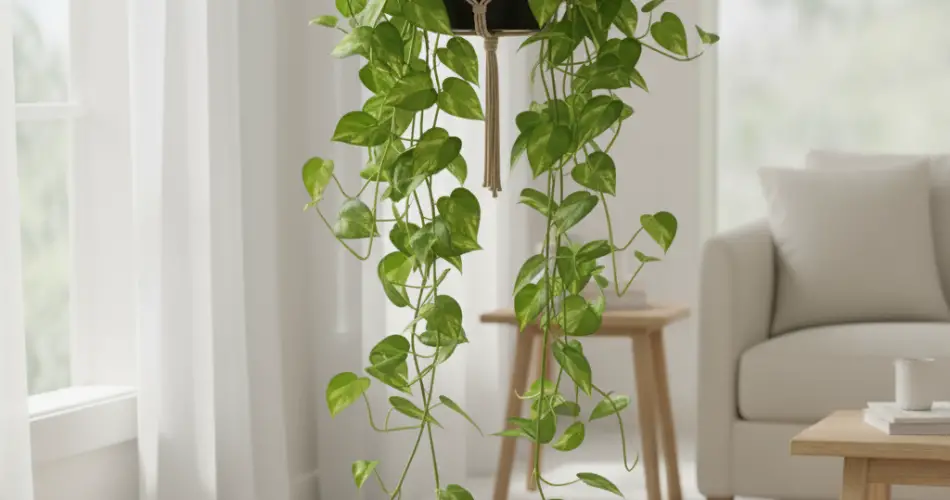
Pothos plants (Epipremnum aureum), also known as devil’s ivy, are among the most popular indoor plants due to their heart-shaped leaves, trailing vines, and remarkable adaptability. They are celebrated for being nearly indestructible, making them ideal for beginners, offices, and busy households. However, one question that often arises is: How much sunlight does a pothos plant really need indoors? Understanding its light requirements is essential for maintaining healthy growth, vibrant foliage, and a thriving plant.
Understanding Pothos Light Preferences
Native to the tropical forests of Southeast Asia, pothos plants naturally grow in low-light understory environments, where they climb trees and spread along the forest floor. This natural adaptation allows them to survive in a wide range of indoor conditions, from low-light corners to moderately bright spaces.
While pothos plants are highly tolerant of low light, they thrive in bright, indirect light, which encourages faster growth, fuller vines, and more pronounced leaf variegation. Insufficient light may slow growth and dull leaf patterns, whereas excessive direct sunlight can scorch the leaves.
Ideal Light Conditions for Pothos
-
Bright, Indirect Light: For optimal growth, place your pothos near an east-facing or north-facing window that provides gentle sunlight throughout the day. Bright, filtered light encourages vigorous vine growth and enhances leaf coloration.
-
Low Light Tolerance: Pothos can survive in low-light areas, such as hallways, offices, or rooms with small windows. Growth will be slower, and variegated varieties may lose some of their patterns, but the plant can remain healthy for years in dim conditions.
-
Avoid Direct Sunlight: Prolonged exposure to intense afternoon sunlight from south- or west-facing windows can burn the leaves, causing yellowing or brown tips. If necessary, use sheer curtains or blinds to diffuse strong sunlight.
Signs Your Pothos Is Getting the Right Amount of Light
Monitoring your pothos can help you adjust its environment for the best results:
-
Healthy Light: Leaves are vibrant, glossy, and retain their natural color, whether green or variegated. Growth is steady, and vines are full and robust.
-
Too Little Light: Leaves may lose variegation, become smaller, or droop slightly. Vines may stretch toward the nearest light source, causing uneven growth.
-
Too Much Light: Leaf edges turn brown or crispy, and excessive sun exposure may scorch leaves, reducing overall plant health.
Tips for Providing Optimal Sunlight
-
Choose the Right Spot: Place pothos in a location with bright, indirect light for several hours daily. Avoid harsh, direct sunlight that can damage foliage.
-
Rotate Regularly: Turn your plant every few weeks to ensure even light distribution and balanced vine growth.
-
Diffuse Intense Sunlight: Use sheer curtains or blinds if your plant is near a window that receives strong sunlight, especially during afternoon hours.
-
Supplement with Artificial Light: In rooms with minimal natural light or during winter months, fluorescent or LED grow lights can maintain growth. About 12–14 hours of indirect artificial light per day is sufficient.
-
Gradual Adjustments: If moving your pothos to a brighter location, do so gradually to avoid leaf stress or sunburn.
Additional Care Considerations
While sunlight is essential, other environmental factors influence pothos health:
-
Watering: Pothos are forgiving, but light levels affect soil drying rates. Bright areas may require more frequent watering, while low-light locations need less. Always allow the soil to dry between waterings to prevent root rot.
-
Temperature: Ideal indoor temperatures range from 65°F to 85°F (18°C–29°C). Avoid cold drafts or placing the plant near heating vents.
-
Humidity: Pothos prefer moderate humidity but tolerate typical indoor levels well. Occasional misting or using a pebble tray can boost humidity in drier rooms.
Benefits of Proper Light
Providing adequate sunlight offers multiple benefits for pothos plants:
-
Vibrant Leaves: Bright indirect light enhances variegation and keeps foliage lush and glossy.
-
Faster Growth: Adequate light encourages longer vines and more abundant leaves.
-
Resilient Health: Plants that receive proper light are less susceptible to disease, pests, and stress.
-
Minimal Maintenance: Healthy light conditions reduce the need for constant intervention or corrective care.
Conclusion
Pothos plants are highly adaptable, capable of surviving in low-light conditions while thriving in bright, indirect light. Optimal sunlight ensures vigorous growth, fuller vines, and vibrant leaf coloration, while low light may slow growth and reduce variegation. Direct sunlight should be avoided to prevent leaf scorch. By carefully selecting a location, monitoring your plant, and gradually adjusting light exposure as needed, you can enjoy a thriving pothos that adds lush greenery, visual appeal, and a touch of tropical charm to any indoor space for years to come.


