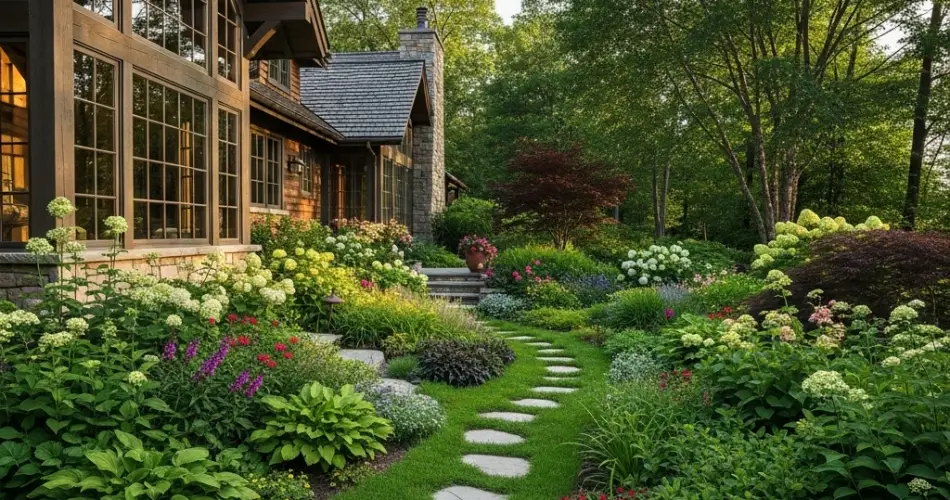
Creating a home garden is more than just a hobby—it’s a lifestyle choice that brings beauty, calm, and productivity to your living space. Whether you have a spacious backyard or a small apartment balcony, anyone can build a green sanctuary with the right approach. This beginner-friendly guide will walk you through the basics of home gardening and help you grow your dream green space from the ground up.
Step 1: Understand Your Space
Before diving into planting, take time to assess your available space. Consider the following:
-
Sunlight: Observe how much sunlight your space receives throughout the day. Most vegetables and flowering plants need 6–8 hours of direct sunlight, while others like herbs or leafy greens can thrive with less.
-
Climate: Know your local climate and the growing seasons in your area. This will influence which plants will grow best and when to plant them.
-
Soil: If you’re planting in the ground, check the soil type. Is it sandy, clay-heavy, or loamy? Each type has its pros and cons, and you may need to amend it with compost or organic matter to improve its fertility and drainage.
Step 2: Choose the Right Plants
Start small and select plants suited to your climate and the conditions in your garden. Here are some great choices for beginners:
-
Herbs: Basil, mint, parsley, chives, and thyme are easy to grow and useful in the kitchen.
-
Vegetables: Tomatoes, lettuce, radishes, and green beans grow well in containers and raised beds.
-
Flowers: Marigolds, petunias, and zinnias are hardy and bring vibrant color to your space.
When selecting plants, check labels or seed packets for sunlight, water, and spacing requirements.
Step 3: Pick Your Gardening Method
Depending on your space and goals, there are several gardening styles to consider:
-
Container Gardening: Ideal for balconies and small patios. Use pots or recycled containers with drainage holes.
-
Raised Beds: Great for backyards. They provide good drainage, protect plants from pests, and reduce soil compaction.
-
Vertical Gardening: Perfect for tight spaces. Use trellises, hanging pots, or wall planters to grow vertically.
-
In-Ground Gardening: Best for larger spaces. It allows for deep root growth and is cost-effective.
Step 4: Prepare the Soil
Healthy soil is the foundation of any successful garden. If you’re using containers or raised beds, buy or mix a high-quality potting mix. For in-ground gardens:
-
Loosen the soil to improve aeration.
-
Add compost or well-rotted manure to enrich nutrients.
-
Test soil pH if possible. Most garden plants prefer a pH between 6.0 and 7.0.
Step 5: Planting
Follow spacing and depth instructions carefully when sowing seeds or transplanting seedlings. Water the soil before and after planting to help settle the roots. Group plants with similar needs together to make watering and maintenance easier.
Step 6: Water Wisely
Overwatering is a common mistake for beginners. Here’s how to water effectively:
-
Water deeply but less frequently to encourage deep root growth.
-
Early morning or late afternoon is the best time to water.
-
Use mulch (like straw or dried leaves) to help retain moisture and reduce weeds.
Step 7: Maintain Regularly
A beautiful garden needs consistent care. Set a schedule for:
-
Weeding: Pull out weeds before they spread.
-
Pruning: Remove dead or diseased leaves to encourage new growth.
-
Fertilizing: Use organic compost, worm tea, or natural fertilizers every few weeks to replenish soil nutrients.
-
Pest Control: Check plants for signs of pests. Use natural solutions like neem oil, soapy water, or companion planting to keep harmful insects away.
Step 8: Harvest and Enjoy
One of the most rewarding aspects of home gardening is harvesting your own food or flowers. Pick vegetables and herbs regularly to encourage further production. Enjoy the fruits of your labor in your meals or as cheerful additions to your home.
Bonus Tips for Success
-
Start with easy-to-grow plants to build confidence.
-
Keep a gardening journal to track what you plant, when, and the results.
-
Be patient. Plants take time to grow and thrive.
Building your dream green space is a journey that requires care, curiosity, and commitment. As your garden grows, so will your understanding of nature and your appreciation for the simple joys of nurturing life. Whether it’s a pot of basil on a windowsill or a backyard full of vegetables and flowers, every green space adds value to your home and well-being.


