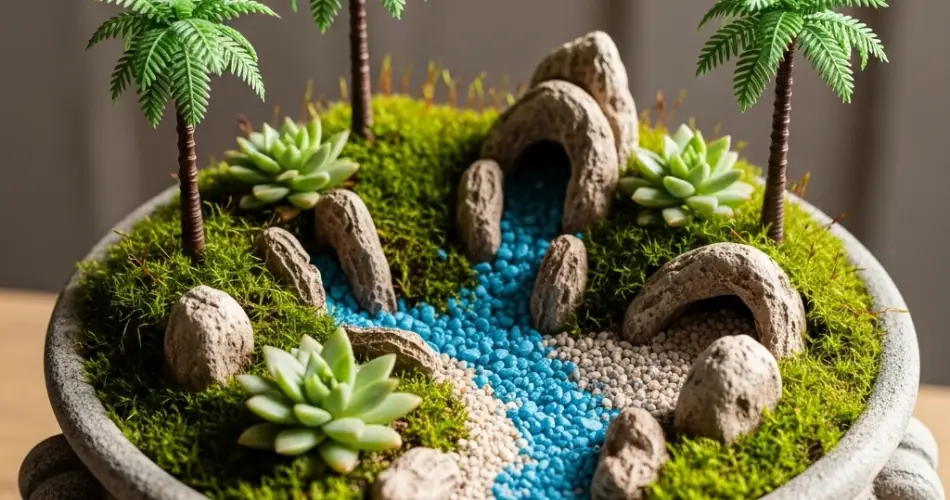
Creating a flourishing garden at home is more than just a relaxing hobby—it’s a way to reconnect with nature, promote sustainability, and enjoy fresh, homegrown produce. Whether you have a sprawling backyard or just a sunny windowsill, cultivating your own oasis is possible with the right approach. From choosing suitable plants to managing soil health and daily care, here’s a practical guide to successful home gardening.
Start with a Plan
Before digging into the soil, take a moment to assess your space, climate, and lifestyle. Determine how much time you can realistically devote to gardening and evaluate the sunlight and shade patterns in your area. This will help you select the right types of plants—those that match your region’s growing conditions and your schedule.
Sketch out your garden layout. If space is limited, consider vertical gardening or container planting. Raised beds are another excellent option for managing soil quality and water drainage. Planning ahead will prevent overcrowding and help you maximize yield.
Choose the Right Plants
Opt for plants that suit your climate, soil type, and the season. Beginners may want to start with easy-to-grow vegetables and herbs like lettuce, radishes, tomatoes, basil, and mint. These are relatively low-maintenance and provide rewarding harvests.
For ornamental gardens, native plants are usually the best choice. They require less water and are more resistant to local pests and diseases. Incorporate flowering plants to attract beneficial pollinators like bees and butterflies.
Invest in Healthy Soil
Healthy plants begin with healthy soil. Test your soil’s pH and nutrient levels using a home soil test kit, available at most garden centers. Most vegetables prefer a slightly acidic to neutral pH (around 6.0–7.0). Amend your soil with compost or well-rotted manure to enrich it with organic matter and boost microbial life.
Mulching helps retain moisture, suppress weeds, and regulate soil temperature. Organic mulches, like straw, shredded leaves, or bark, will gradually break down and improve soil structure over time.
Water Wisely
Overwatering is a common mistake in home gardening. Most plants prefer deep, infrequent watering rather than frequent shallow ones. This encourages deeper root systems and greater drought resistance.
Water early in the morning or late in the afternoon to reduce evaporation. Use a soaker hose or drip irrigation system for efficient watering, especially in larger gardens. In containers, check soil moisture daily—pots dry out more quickly than ground soil.
Practice Crop Rotation and Companion Planting
To maintain soil fertility and reduce pest pressure, rotate your crops each growing season. Avoid planting the same type of vegetable in the same spot year after year. For instance, if you grew tomatoes in one bed, plant beans or leafy greens there the next season.
Companion planting can also enhance growth and protect plants from pests. Basil pairs well with tomatoes, repelling aphids and improving flavor. Marigolds deter nematodes and can be placed around vegetable beds to provide natural pest control.
Monitor for Pests and Diseases
Stay vigilant for signs of common garden pests like aphids, caterpillars, and slugs. Inspect the undersides of leaves regularly and remove pests by hand when possible. For larger infestations, consider using organic remedies such as neem oil, insecticidal soap, or diatomaceous earth.
Fungal diseases like powdery mildew or blight often arise from poor air circulation and excess moisture. Ensure adequate spacing between plants, prune as needed, and water at the base of the plant rather than overhead to minimize fungal issues.
Feed Your Plants Naturally
Fertilizing keeps your plants productive and healthy. Use compost tea, fish emulsion, or seaweed extract for a natural nutrient boost. Leafy greens thrive on nitrogen, while flowering and fruiting plants benefit from balanced fertilizers with phosphorus and potassium.
Avoid over-fertilizing, which can lead to lush foliage but poor fruit or flower production. Always follow dosage instructions and apply in the early morning or late evening to prevent burning the plants.
Embrace the Learning Curve
Gardening is a journey, not a destination. Mistakes are part of the process, and each season brings new opportunities to learn. Keep a gardening journal to track what works and what doesn’t, noting weather patterns, planting dates, yields, and challenges.
Celebrate small victories, whether it’s the first sprouting seed or a bountiful harvest. Over time, your efforts will transform into a lush, living space that nourishes both body and spirit.
Final Thoughts
Home gardening is a deeply rewarding experience. With a bit of patience, consistent care, and the right knowledge, anyone can cultivate their own oasis. Whether you’re growing vegetables for the table or flowers for the soul, the joys of nurturing life from the soil are unmatched. Start small, stay curious, and let your garden grow alongside you.


